 Home
Home
Taming the Chaos: How to Organize Everything Under Your…
I remember the exact moment I realized my kitchen was working against me. I was halfway through cleaning up a spilled bottle of dish soap when I reached into the dark abyss of my cabinet, only to have a rogue sponge and a half-empty bottle of window cleaner tumble out onto my feet. It was a mess, it was frustrating, and it was a total waste of my time. Most “expert” guides will tell you that you need a $50 custom acrylic drawer system or a complete kitchen remodel to fix this, but honestly, that’s just expensive noise. Learning how to organize under the sink shouldn’t feel like a high-stakes engineering project; it’s really just about reclaiming the space you already have so you can stop fighting your own house.
I’m not here to sell you on a lifestyle overhaul or a mountain of plastic bins you’ll never use. My goal is to give you a straightforward, functional blueprint that works for real life—the kind of life where you actually have things to do. I’ve spent enough time tinkering with old gear and living in small apartments to know that efficiency is king. I’m going to show you exactly how to group your supplies, utilize the dead space, and get everything sorted in under twenty minutes. Let’s get this done so you can get back to living.
Table of Contents
Maximizing Small Cabinet Space Without Breaking the Bank
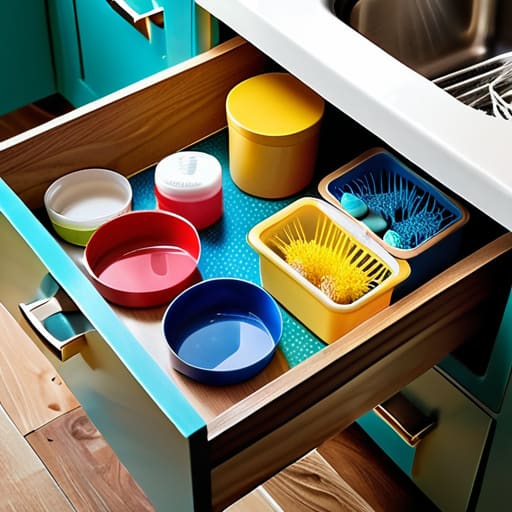
You don’t need to drop a hundred bucks at a high-end home goods store to make this work. Most of the time, the best way to handle maximizing small cabinet space is to look at what you already have in your recycling bin or junk drawer. I’m a big fan of using old clear plastic bins or even sturdy shoe boxes to create “zones.” Instead of having a pile of loose sponges and half-empty bottles, you group them into specific containers. It’s a simple way to implement some effective kitchen cabinet decluttering tips without spending a dime.
If you do decide to spend a little, keep it functional. I usually recommend picking up a few cheap, stackable under sink pull out organizers to deal with that awkward, deep space at the back where things always go to die. Also, do yourself a favor and grab some waterproof cabinet liners. They’re inexpensive, and they stop that inevitable leaky soap bottle from ruining your wood finish. It’s about setting yourself up for success so that when you need a spray bottle, you aren’t digging through a graveyard of cleaning supplies.
Smart Cleaning Supply Storage Solutions That Actually Work
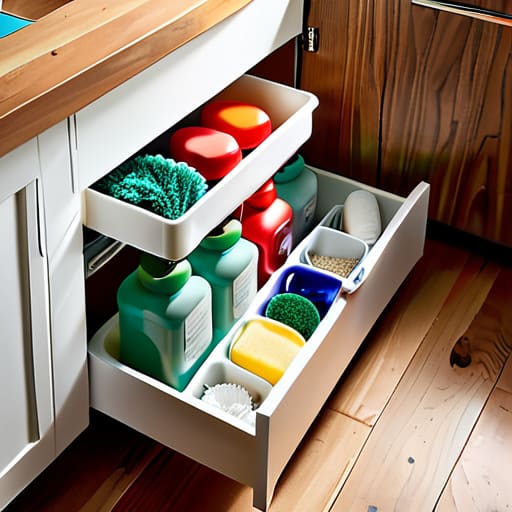
Look, we’ve all been there: you reach under the sink for a specific spray, and instead, you trigger a slow-motion landslide of half-empty bottles and sponges. To stop the chaos, you need to stop treating the floor of your cabinet like a junk drawer. I’m a big fan of using under sink pull out organizers or even simple tiered sliding bins. They allow you to access the stuff tucked way in the back without having to play Tetris with your Windex bottles every single time you need to wipe a counter.
If you’re dealing with a leaky bottle—which, let’s be honest, is usually a matter of when, not if—don’t just throw a towel in there and hope for the best. Invest in some decent waterproof cabinet liners. They’re cheap, they take two minutes to trim, and they save you from the nightmare of wood rot or a ruined vanity. Group your supplies by task—one bin for glass, one for heavy-duty degreasers—and you’ll spend less time hunting and more time actually getting the cleaning done.
Five Quick Wins to Stop the Cabinet Chaos
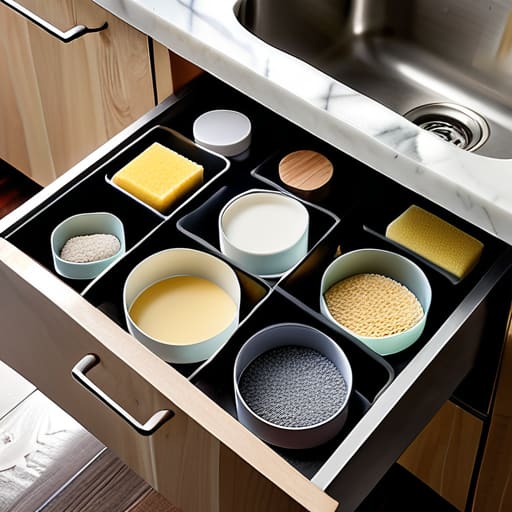
- Group your stuff by how you actually use it. Keep your daily dish soaps and sponges in the front, and shove the heavy-duty degreasers or occasional plumbing tools in the back. If you have to hunt for it every time you wash a plate, your system is broken.
- Use clear bins instead of opaque ones. I learned this the hard way when I spent ten minutes digging through a dark plastic tub looking for a specific spray. If you can see it, you won’t buy a duplicate next time you’re at the store.
- Utilize the door space. Most people ignore the inside of the cabinet door, but it’s prime real estate. A simple adhesive rack or even some command hooks can hold your scrub brushes or spray bottles, freeing up the actual floor of the cabinet.
- Measure twice, buy once. Before you run to the store for organizers, grab a tape measure. There is nothing more frustrating than getting home with a “perfect” tiered shelf only to realize it’s two inches too tall for your sink’s plumbing.
- Keep a “one-in, one-out” rule for your chemicals. Under-sink clutter usually happens because we keep every half-empty bottle of cleaner we’ve ever bought. If you finish a bottle, toss the empty and don’t replace it until you actually need it.
The Bottom Line: Get In, Get Organized, Get Out
Stop buying expensive, custom-fit organizers; most of the time, a few cheap plastic bins from a discount store will do the job just as well.
Group your supplies by how you actually use them—sprays together, sponges together—so you aren’t digging through a graveyard of half-empty bottles every time you need to wipe a counter.
Keep it functional, not perfect; the goal isn’t a Pinterest-worthy cabinet, it’s a space where you can find what you need in five seconds so you can get back to your life.
The Philosophy of the Cabinet
“An organized under-sink cabinet isn’t about achieving some Pinterest-perfect aesthetic; it’s about making sure you aren’t hunting for a sponge for ten minutes every time you spill something. It’s about reclaiming those small, annoying moments of friction so you can actually get on with your day.”
Julian Reese Miller
Stop Fighting Your Cabinets
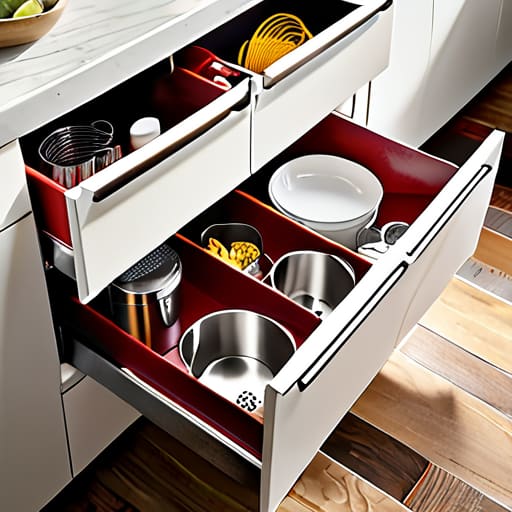
At the end of the day, organizing under the sink isn’t about achieving some Pinterest-perfect aesthetic; it’s about making sure you aren’t hunting for a bottle of Windex for ten minutes when you’re already running late. We’ve covered how to use affordable bins to create zones, how to utilize vertical space so nothing gets buried in the back, and how to keep your most-used sprays within arm’s reach. The goal was to strip away the chaos and replace it with a system that actually makes sense for your daily routine. If you’ve implemented even half of these steps, you’ve already won the battle against that dark, cluttered corner of your kitchen.
Don’t let a small project like this feel like an overwhelming mountain to climb. You don’t need to spend your entire Saturday or a massive chunk of your paycheck to get this right. Just grab a few containers, group your supplies, and get it sorted so you can move on with your day. Once that cabinet is under control, you’ll realize that being capable of managing your own space isn’t about perfection—it’s about reclaiming your time and your sanity. Now, close that cabinet door, take a breath, and go enjoy the rest of your afternoon.
Frequently Asked Questions
How do I stop things from getting damp or moldy in that dark cabinet space?
That damp, musty smell is a total mood killer. Since under-sink cabinets usually lack airflow, moisture gets trapped easily. First, grab a few silica gel packets or a small container of moisture absorber—the kind you see in hardware stores—and tuck them in the back. I also swear by leaving a little breathing room between your bottles; don’t jam them in so tight that air can’t circulate. It keeps things dry and much more manageable.
What should I do if my pipes are in the way and make it impossible to use standard bins?
Look, pipes are the ultimate space-killers. If they’re blocking your path, stop trying to force square bins into a round hole—it’s a losing battle. Instead, go for modular, narrow pull-out drawers or even small, clear acrylic bins that you can tuck into the awkward gaps. If the pipes are really in the way, try mounting a small tension rod or a command hook to the cabinet wall to hang spray bottles. Work around the obstacle, not against it.
Is it worth buying expensive custom organizers, or can I just use stuff I already have around the house?
Look, save your money. I’ve spent way too much time looking at high-end, boutique organizers that promise to change your life, but the truth is, they’re mostly just plastic hype. You don’t need a custom setup to win this battle. Grab some old shoeboxes, reuse glass jars for cotton balls, or repurpose small bins from your pantry. If it holds your stuff and keeps it visible, it’s doing its job. Efficiency over aesthetics, every time.