 Money
Money
Smart Shopping Tactics to Help You Retain More of…
I used to think that “shopping smarter” meant downloading every coupon app on the market and spending my Sunday nights scouring digital circulars for a nickel’s difference. It was exhausting, and frankly, it was a waste of my time. I’d walk out of the store with a cart full of “deals” that I didn’t even need, only to realize I’d spent more than if I’d just bought the basics. We’ve been sold this idea that being frugal has to be a full-time job, but that’s a lie. Real efficiency isn’t about chasing every cent; it’s about knowing how to shop smarter so you can stop thinking about your grocery list and start focusing on your actual life.
I’m not here to give you a complex spreadsheet or a list of lifestyle hacks that require a degree in economics. I’m going to give you the straightforward, practical systems I use to keep my pantry stocked and my budget intact without the mental clutter. We’re going to strip away the marketing noise and focus on a few high-impact habits that actually work in the real world. My goal is to help you reclaim your time and your money, one trip at a time.
Table of Contents
Mastering Budgeting for Groceries Without the Headache
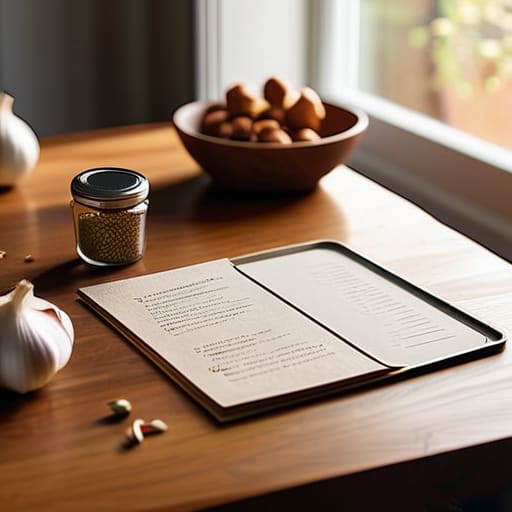
Look, I used to treat my grocery trip like a free-for-all, wandering the aisles and hoping for the best. That ended the moment I realized how much money I was bleeding out through “convenience” items and shiny packaging. The secret to budgeting for groceries isn’t about deprivation; it’s about having a game plan before you even leave the apartment. I started by doing a quick inventory of my pantry—because why buy a second jar of cumin when I already have one hiding in the back? Once you know what you actually need, you can build a list that serves you, rather than letting the store dictate your spending.
The biggest trap is the middle aisle, where everything is designed to trigger an impulse buy. To fight this, I rely heavily on unit price comparison. Don’t just look at the big, bright price tag on the shelf; look at the tiny number in the corner that tells you the cost per ounce or gram. It’s the only way to see if that “family size” box is actually a deal or just a way to trick you into buying more than you need. Stop guessing and start checking the math; it’s a small habit that saves a massive amount of time and cash.
Using Unit Price Comparison to Stop Overpaying
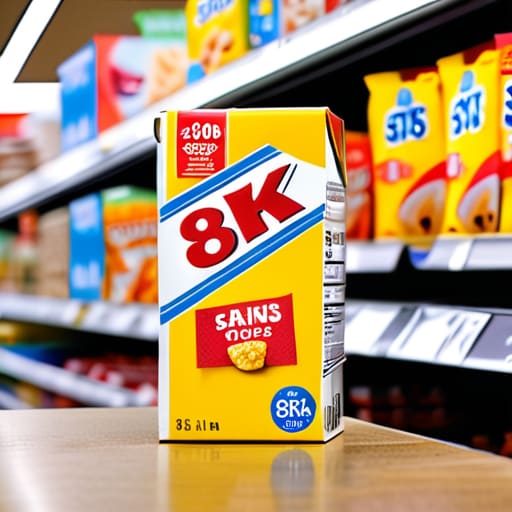
Here’s the thing about grocery stores: they are designed to trick you into thinking a “sale” is a deal when it’s actually just a distraction. You see a bright yellow tag on a massive box of cereal and think you’re winning, but you haven’t actually looked at the math. This is where unit price comparison becomes your best friend. Instead of staring at the big, flashy price tag, look at the tiny numbers on the shelf edge that tell you the cost per ounce or per gram.
I spent way too much time in my early twenties grabbing whatever looked “bulk” thinking I was being efficient, only to realize I was paying a premium for extra packaging. By mastering this one of the most effective comparison shopping techniques, you strip away the marketing noise. It’s the difference between paying $0.10 per ounce and $0.25 per ounce for the exact same brand of beans. It takes an extra three seconds of squinting at the label, but that tiny bit of effort is what keeps your grocery bill from creeping up when you aren’t looking.
Five Ways to Cut the Noise and Save Your Sanity (and Cash)
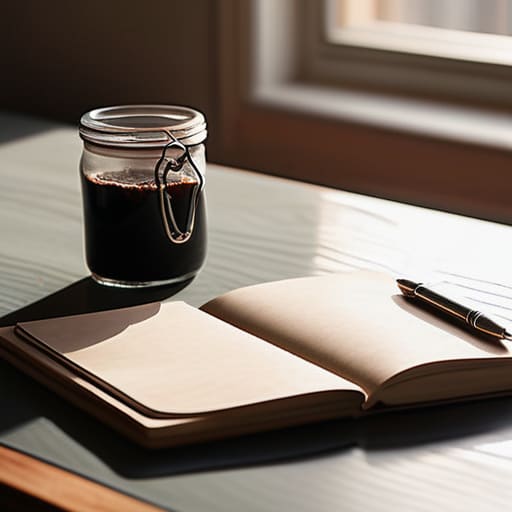
- Stop the “impulse scroll” by sticking to a digital list. I’ve found that if it’s not in my notes app before I walk through the doors, it doesn’t exist. It keeps you from grabbing those “convenience” items that actually cost you more in the long run.
- Shop your own pantry first. Before you even head out, do a quick sweep of what you actually have. There’s no point in buying a new jar of cumin if you’ve got three hiding in the back of the cupboard. It’s an easy way to reclaim your budget and reduce waste.
- Never shop while you’re hungry or stressed. It sounds like a cliché, but it’s pure science. When I’m hungry, I end up with a cart full of expensive, processed junk that doesn’t actually fill me up. Eat a snack before you go; your wallet will thank you.
- Embrace the frozen aisle for your staples. Frozen vegetables and fruits are often just as nutritious as fresh, but they last way longer and cost a fraction of the price. It’s a massive time-saver for busy weeks when you don’t have time to prep everything immediately.
- Batch your trips. Driving to the store three times a week is a massive drain on your time and your gas tank. Plan your meals, grab everything in one efficient sweep, and get back to your actual life. Efficiency is the name of the game.
The Bottom Line: Shop Less, Live More
Stop guessing and start checking the unit price; it’s the only way to know if that “bulk deal” is actually saving you money or just taking up space in your pantry.
Treat your grocery list like a project plan—stick to the essentials you’ve already mapped out to avoid the impulse buys that wreck your budget.
Focus on efficiency over perfection; you don’t need a complex spreadsheet to save money, you just need a basic strategy that keeps you from overspending in the aisles.
The Real Goal of Efficiency
“Smart shopping isn’t about obsessing over every single cent; it’s about building a system that works so you don’t have to think about it twice. If your grocery run feels like a math exam, you’re doing it wrong.”
Julian Reese Miller
Cutting the Noise and Getting Back to Living
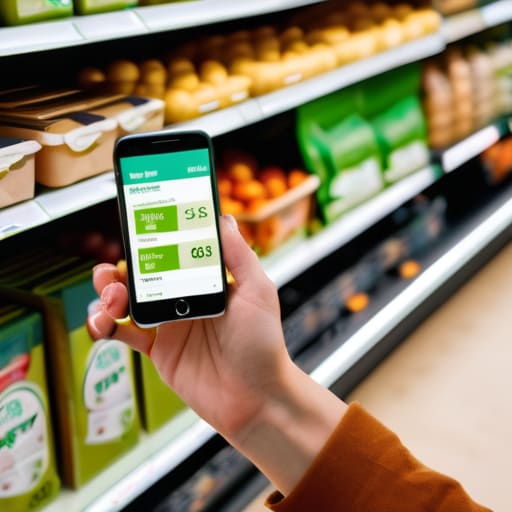
At the end of the day, shopping smarter isn’t about becoming a math wizard or spending your entire Saturday analyzing spreadsheets. It’s about the fundamentals we’ve covered: setting a realistic grocery budget that doesn’t feel like a punishment, and actually checking those unit prices so you aren’t getting tricked by fancy packaging. When you stop making impulse buys and start looking at the actual cost per ounce, you stop leaking money in ways you didn’t even realize. It’s about building a few simple, repeatable habits that take the guesswork out of your weekly errands.
I know it sounds like just another chore on an already overflowing to-do list, but I promise you, the payoff is worth the extra thirty seconds of effort. The goal here isn’t to turn you into a professional shopper; it’s to help you reclaim your time and your sanity. Once you have these systems in place, you won’t have to think about them anymore—they’ll just become part of your rhythm. Stop letting the aisles dictate your finances and start taking control. Get your shopping done efficiently, save your hard-earned cash, and then go do something that actually matters to you.
Frequently Asked Questions
How do I stick to my list when I’m actually in the store and everything looks like a "must-have"?
Look, I get it. The store is designed to make you feel like you’re missing out if you don’t grab that seasonal snack or the “buy one, get one” deal. My rule? Stick to the perimeter. Most essentials are on the edges; the middle aisles are just a trap for impulse buys. If it’s not on the list, it doesn’t exist. Treat your list like a project scope—anything extra is just scope creep for your wallet.
Is it actually worth the time to meal prep, or am I just wasting my Sunday?
Look, I get it. Spending four hours in a kitchen on a Sunday feels like a chore you didn’t sign up for. But here’s the reality: if you aren’t prepping, you’re paying a “decision tax” every single week. You’ll end up staring blankly at the fridge at 7:00 PM, tired and hungry, before inevitably ordering takeout. Prep doesn’t have to mean Tupperware mountains; even just chopping veggies or cooking one big batch of grains saves your sanity later.
How do I handle those sudden price hikes on the basics without blowing my entire weekly budget?
When the price of eggs or milk suddenly jumps, don’t panic and don’t just pivot to junk food. I call this the “substitution shuffle.” If your usual brand of pasta sauce just doubled in price, grab the canned tomatoes and a jar of garlic instead. It takes two extra minutes of effort, but it keeps your budget intact. Look for the generic version or a different format of the same staple. Stay flexible; it’s the only way to win.