 Home
Home
How to Design a Cozy Reading Corner in Any…
I used to think that having a dedicated space for hobbies meant I needed a sprawling house or a massive renovation budget. Between my freelance deadlines and trying to keep my apartment from falling apart, the idea of “designing a room” felt like just another overwhelming task on my to-do list. But here’s the thing: you don’t need a designer or a huge bank account to find some peace. Sometimes, the best cozy reading nook ideas are the ones that actually work with the small, cramped spaces we live in, rather than fighting against them. We all need a place to actually unplug without the constant distraction of a glowing screen or a pile of laundry staring us down.
In this post, I’m stripping away the fluff and giving you five practical ways to carve out your own sanctuary. I’ve rounded up five essential elements that will help you transform even the most neglected corner of your home into a functional retreat. Whether you’re working with a tiny studio or just a spare chair, these steps will show you how to build a dream reading corner that feels intentional, not cluttered. Let’s get your space sorted so you can finally get back to the books.
Table of Contents
The "Found Object" Corner
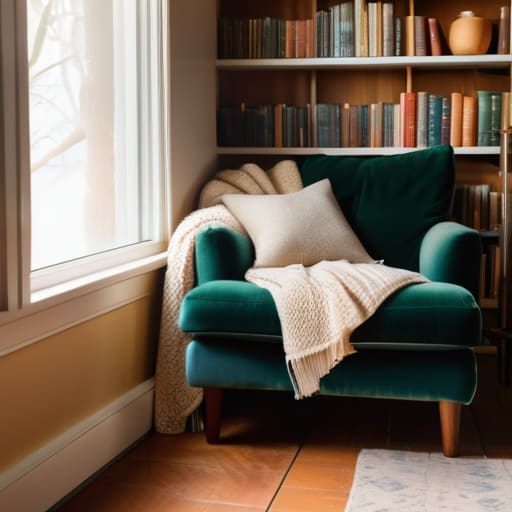
You don’t need to head to a high-end furniture showroom to find the perfect spot. I’ve learned through years of moving between cramped apartments that the best reading nooks are often just repurposed corners of a room you already have. Grab that armchair you inherited from your aunt or even a sturdy pile of floor cushions, and you’ve already done the hard part. The goal isn’t to match a catalog; it’s to create a space that feels intentional rather than accidental.
Lighting That Actually Works
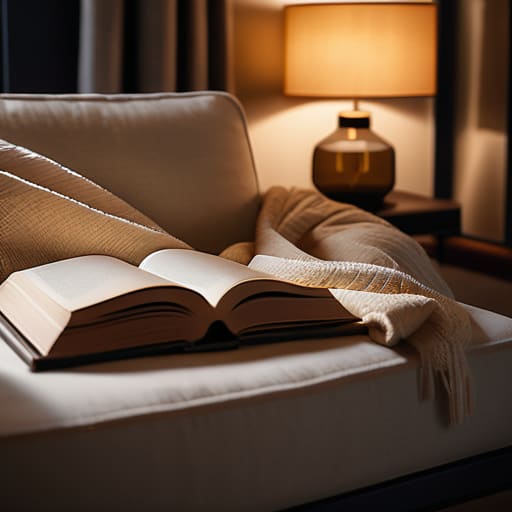
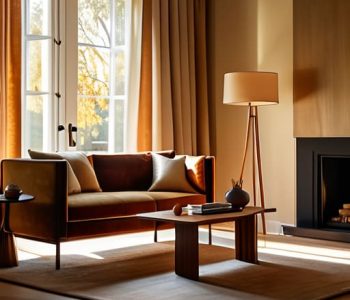
Nothing kills a good chapter faster than straining your eyes under a harsh overhead light. If you want to actually enjoy your books instead of getting a headache, you need to layer your lighting. I’m a big fan of the task lamp approach: find a decent, adjustable floor lamp that directs light exactly where you need it. It keeps the rest of the room dim and moody while ensuring your pages are crystal clear.
The Minimalist Side Table Strategy
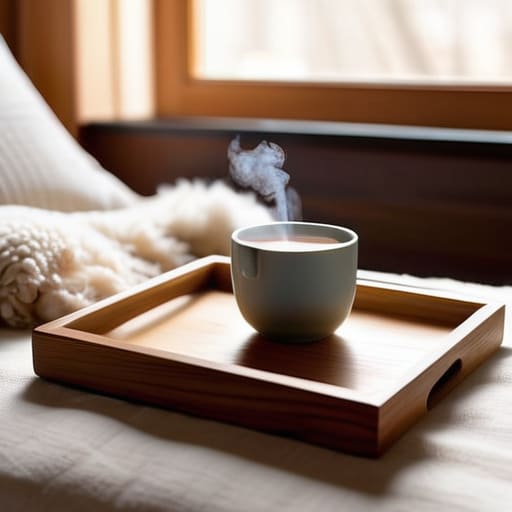
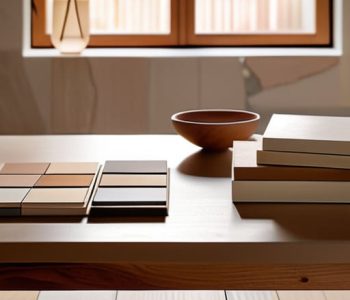
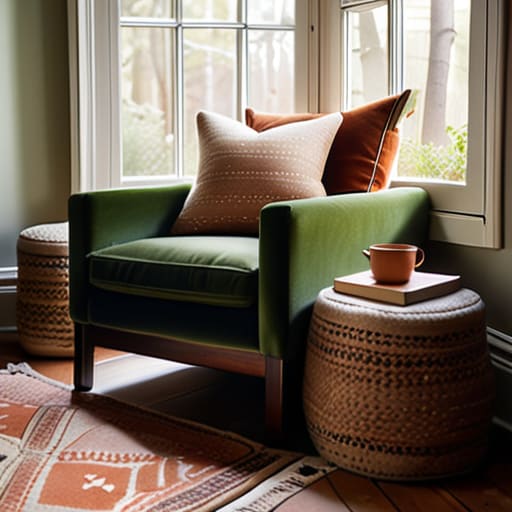
I see people make the mistake of buying massive, ornate end tables that take up half the room. Trust me, you don’t need that. All a reading nook really requires is a functional surface for three specific things: your book, your drink, and maybe your phone. I usually opt for a small, lightweight stool or a slim wooden tray that can be tucked away when I’m not using it.
Texture Over Trend
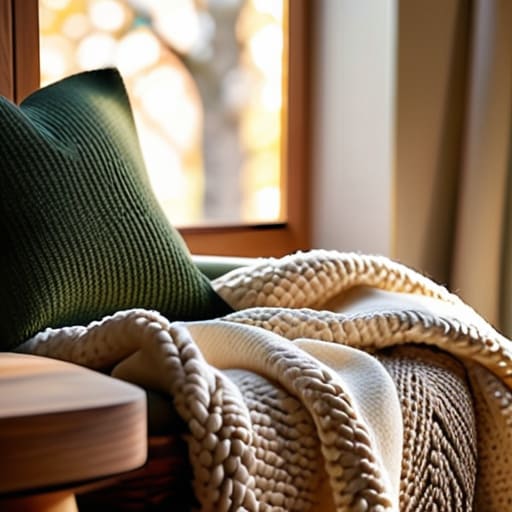
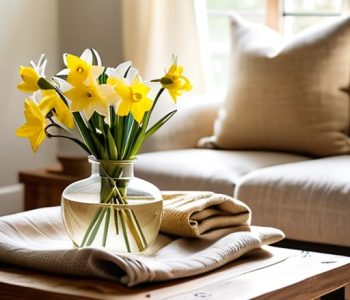
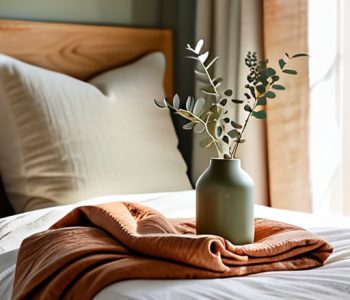
You can make a cheap setup feel incredibly high-end just by playing with textures. Instead of buying a whole new set of decor, just grab a single, heavy-knit throw blanket and a couple of well-structured pillows. I’ve found that mixing materials—like a smooth cotton pillow against a chunky wool blanket—adds a sense of depth that makes a space feel “finished” without looking like you tried too hard.
The Zero-Distraction Zone
A reading nook is useless if your phone is buzzing every thirty seconds with work emails. To make this space actually work for your mental health, you have to implement a strict boundary. I treat my reading corner like a “no-tech” zone. I leave my phone in another room or, at the very least, put it on “Do Not Disturb” before I even sit down.
The Bottom Line
You don’t need a massive renovation or a designer’s budget to create a retreat; it’s about layering small, functional comforts like a good lamp and a soft chair.
Focus on the essentials—lighting, seating, and proximity to your favorite things—so you spend less time “decorating” and more time actually reading.
Don’t overthink the layout; if a corner feels cramped or awkward, move a chair or swap a rug until it feels like a place you actually want to stay.
The Philosophy of the Nook
A reading nook isn’t about buying a designer armchair or filling a corner with expensive decor; it’s about carving out a small, intentional space where the noise of the world finally shuts up so you can actually hear yourself think.
Julian Reese Miller
Making It Your Own
At the end of the day, building a reading nook isn’t about following a strict interior design blueprint or buying every expensive gadget on a Pinterest board. It’s really just about the fundamentals: a comfortable spot to sit, lighting that won’t strain your eyes, and a few personal touches that make the space feel like it actually belongs to you. Whether you’re repurposing a corner of your bedroom with a single floor lamp or turning a tiny nook under the stairs into a dedicated sanctuary, the goal is to remove the friction between you and your favorite book. You don’t need a massive renovation to create a space that works; you just need to be intentional about the small things.
We spend so much of our lives rushing from one task to the next, treating our homes like mere staging areas for work and sleep. I’ve learned that carving out even a tiny, dedicated corner for yourself is one of the most efficient ways to reclaim your headspace. Don’t let the “perfect” setup stop you from starting today. Grab that old armchair, throw a blanket over it, and just sit down. You’ve earned the right to switch off the noise and just exist for a while. Get it done, get cozy, and then get back to actually living your life.
Frequently Asked Questions
I don't have a spare room or a dedicated corner, so how can I make a reading nook work in a tiny studio apartment?
Look, I’ve lived in studios where my “living room” was also my kitchen and my office. You don’t need extra square footage; you just need to claim a few inches. Try a floor pouf in a corner or even a window seat with a few oversized pillows. If you’re tight on space, use a small, slim-profile armchair. The goal isn’t to add furniture, but to create a psychological boundary that says, “this spot is for reading only.”
What kind of lighting should I look for if I want to avoid eye strain but still keep that warm, cozy vibe?
Look, you don’t want to be squinting at a page under a harsh fluorescent bulb, but you also don’t want to be reading in a cave. Aim for “warm white” LEDs—something in the 2700K to 3000K range. It gives you that golden, cozy glow without the clinical feel. Ideally, grab a floor lamp with an adjustable neck so you can direct the light straight onto your book, rather than just washing out the whole room.
Is it worth investing in a high-end reading chair, or can I make a comfortable spot using stuff I already own?
Look, unless you’re planning on sitting there for four hours every single night, don’t drop a paycheck on a designer chair. It’s a trap. Most of the best spots I’ve built used what I already had—an old armchair, a few extra floor pillows, or even just a pile of blankets in a sunlit corner. Focus on ergonomics and comfort first. If you can sit there without your back aching, you’ve won.