 Home
Home
A Stress-free Approach to Decluttering Your Entire Home
I used to think that learning how to declutter your home meant buying a dozen color-coded bins and spending my entire Saturday watching a professional organizer tell me to “let go of the energy” of my old college textbooks. Honestly? That’s just expensive performance art. I learned the hard way when I moved into my first city apartment; I was surrounded by half-finished DIY projects and cables I hadn’t touched in years, feeling like my own stuff was slowly suffocating my productivity. You don’t need a lifestyle overhaul or a massive budget to fix it; you just need a better system that actually works for a busy life.
I’m not here to sell you on a new way of living, just a smarter way of managing what you already own. My goal is to give you a practical, step-by-step roadmap to clear the physical noise so you can actually breathe in your own space again. I’ll show you how to strip away the excess using zero fluff and no complicated rules—just the exact moves you need to reclaim your time and your home.
Table of Contents
Mastering Essential Decluttering Mindset Shifts
Before you even touch a single cardboard box, we need to fix how you’re looking at your stuff. Most people approach this like a massive, daunting project—something that requires a weekend of intense labor and a lot of emotional heavy lifting. That’s a mistake. Instead of viewing this as “getting rid of things,” try viewing it as making room for what actually matters. If you approach it with a sense of loss, you’ll stall out by the second drawer. If you approach it as reclaiming your square footage, you’ll actually finish.
One of the biggest decluttering mindset shifts I had to make when I moved into my city apartment was realizing that “just in case” is a lie we tell ourselves to justify hoarding. That gadget you bought for a hobby you abandoned three years ago? It’s not a safety net; it’s just weight. You don’t need to master complex decluttering methods like KonMari or follow a strict spiritual ritual to be successful. You just need to decide that your peace of mind is worth more than the clutter sitting in your guest room.
A Practical Decluttering Checklist for Beginners
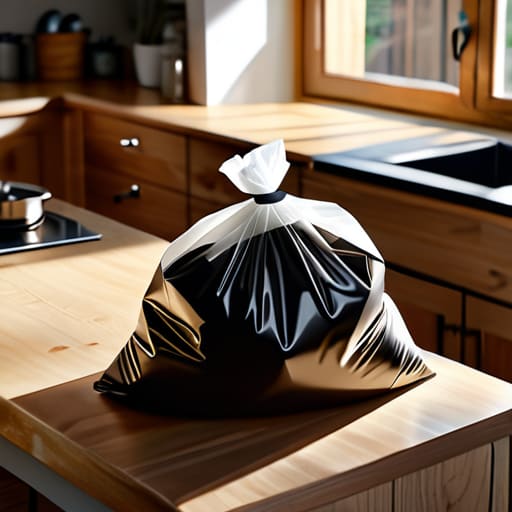
Look, I’m not a fan of those massive, overwhelming systems that require you to buy a dozen color-coded bins before you even start. If you want a real decluttering checklist for beginners, start with the “Low-Hanging Fruit” method. Grab a trash bag and walk through your house looking specifically for obvious junk: expired pantry items, dried-out pens, old receipts, or those mystery cables you haven’t touched in three years. Getting these quick wins under your belt builds momentum without draining your mental battery.
Once the easy stuff is gone, move into decluttering room by room to avoid feeling like you’re drowning in your own mess. I usually recommend starting with the bathroom or the kitchen—places where the items are functional and easy to categorize. Don’t get bogged down in sentimental stuff like old photos yet; that’s a trap that will kill your productivity. Instead, focus on one drawer or one shelf at a time. The goal isn’t perfection; it’s just creating breathing room so you can actually navigate your apartment without tripping over a pile of “maybe” items.
5 Ways to Actually Get Moving Without Losing Your Mind
- Use the “One-Bag Rule” to avoid burnout. Instead of trying to tackle the whole house in a weekend, grab one trash bag and one donation box. Set a timer for 15 minutes, fill them up, and stop. It’s better to clear one drawer properly than to stare at a messy living room for three hours feeling defeated.
- Stop asking “Could this be useful someday?” and start asking “Have I used this in the last year?” “Someday” is a trap that leads to cluttered closets full of half-finished projects and kitchen gadgets you bought during a random midnight scroll. If it hasn’t seen the light of day since last summer, it’s just taking up space you could be using for something better.
- The “Surface Sweep” is your best friend for immediate relief. Clear off your dining table, your kitchen counters, and your coffee table. When the flat surfaces are clear, the whole room feels lighter instantly. It’s a quick win that builds the momentum you need to tackle the bigger, scarier stuff like the junk drawer or the hall closet.
- Create a “Maybe” box for the items that trigger decision fatigue. If you’re staring at a piece of tech or a garment and you just can’t decide, put it in a box, tape it shut, and write a date six months from now on the side. If you haven’t opened that box by that date, donate the whole thing without looking inside. You’ve already proven you don’t need it.
- Group like with like before you purge. It’s hard to know what you actually have when your tools are in the bathroom and your stationery is in the kitchen. Spend a little time gathering all your similar items in one spot. Once you see the sheer volume of three different staplers or five identical black t-shirts, the decision to let go becomes much easier.
The Bottom Line: How to Keep the Momentum
Stop aiming for perfection; your goal isn’t a showroom, it’s a home that actually functions for you.
Focus on small, repeatable wins—clearing one drawer is better than staring at a whole room and doing nothing.
Keep the momentum by setting strict boundaries on what stays, so you aren’t just moving clutter from one pile to another.
## The Core Philosophy
“Decluttering isn’t about achieving some perfect, Pinterest-ready aesthetic; it’s about clearing the physical noise so you actually have the mental bandwidth to enjoy the life you’re working so hard to build.”
Julian Reese Miller
Reclaiming Your Space and Your Time
Look, I know it feels overwhelming when you stare at a mountain of stuff, but we’ve covered the ground you need to make this manageable. We talked about shifting your mindset from “what if I need this?” to “what actually serves me now,” and we walked through a checklist that breaks the chaos into bite-sized, actionable steps. The goal isn’t to achieve some impossible, Pinterest-perfect aesthetic; it’s about eliminating the friction in your daily life. By applying these practical methods, you aren’t just cleaning a room—you are systematically removing the distractions that keep you from feeling settled in your own home.
At the end of the day, decluttering isn’t a one-time event or a massive project you need to schedule for a weekend you’ll never have. It’s a continuous, low-stakes habit of choosing quality over quantity. Don’t wait for the perfect moment or a sudden burst of motivation to start. Just grab a single box, pick one drawer, and get moving. You deserve to live in a space that supports your life rather than one that demands constant maintenance. Once the excess is gone, you’ll realize that the most important thing you’ve cleared out wasn’t just the clutter—it was the mental weight that was holding you back.
Frequently Asked Questions
How do I deal with sentimental items that I know I don't use but can't bring myself to throw away?
Look, I get it. I have a box of old synth parts and handwritten notes that I can’t touch without feeling guilty. But here’s the truth: the memory isn’t in the object; it’s in you. Try digitizing it. Take a high-quality photo of that old memento and save it to a dedicated folder. You keep the sentiment, but you lose the physical clutter. If it’s too big to photograph, ask yourself if it’s honoring the memory or just taking up space.
What should I do with all the stuff I actually decide to get rid of—does it just go straight to the landfill?
Look, I get it. The thought of a massive trash run feels like just another chore on an already long list. But please, don’t just dump everything in a landfill. It’s a waste of resources and, honestly, a bit of a gut punch to the planet. If it’s still functional, sell it on Marketplace or drop it at a local thrift store. If it’s broken, see if parts are salvageable. Let’s be intentional about the exit strategy.
How do I stop the clutter from creeping back in two weeks after I've finished cleaning?
The reason the clutter returns is that you’re treating cleaning like a one-time event instead of a system. You can’t just “finish” cleaning; you have to manage the flow. Start with the “one-in, one-out” rule—if a new gadget comes in, an old one leaves. More importantly, adopt a “don’t put it down, put it away” policy. If a task takes under sixty seconds, do it immediately. Stop letting small things pile up.