 Home
Home
Clever Kitchen Storage Solutions to Clear Your Countertops
I used to think a messy kitchen was just a side effect of a busy life, but I eventually realized it was actually stealing my time. There is nothing more draining than standing in front of a cluttered countertop, hunting for a spatula or a lid that seems to have vanished into a black hole, right when you’re already exhausted from work. We’ve all been there, fighting against our own cabinets just to make a simple meal. I’ve spent way too many evenings feeling overwhelmed by the chaos, which is why I became obsessed with finding practical kitchen organization ideas that actually work for real people with real schedules.
The good news is that you don’t need a massive renovation or a professional organizer to reclaim your space. In this post, I’m breaking down five straightforward, low-cost ways to streamline your kitchen so it works for you instead of against you. I’ll show you exactly how to categorize your essentials and maximize your existing footprint without spending a fortune. Let’s get your kitchen sorted so you can stop searching and start actually enjoying your time in there.
Table of Contents
Stop the Cabinet Avalanche
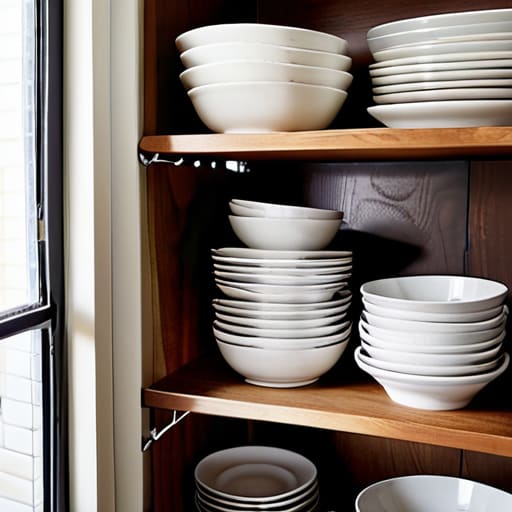
We’ve all been there—you open a cupboard to grab a single pasta bowl, and suddenly three plates and a lid come crashing down on your head. It’s frustrating, and honestly, it’s a waste of time. The fix isn’t buying expensive, custom-built shelving; it’s about vertical space. I started using these simple wire shelf risers to create “floors” inside my deep cabinets, and it changed everything.
Zone Your Countertops
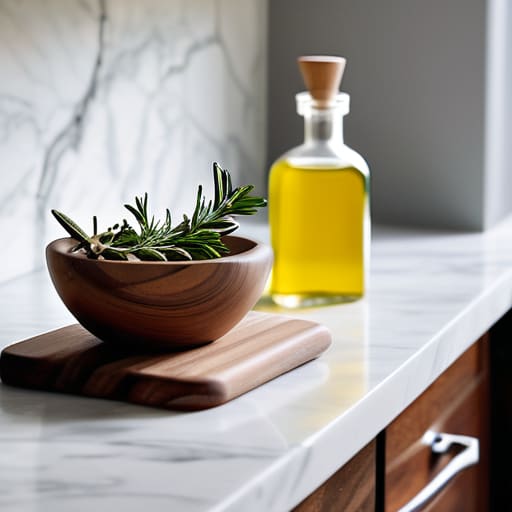
I used to think a clean kitchen meant having absolutely nothing on the counters, but let’s be real: that’s not how life works when you’re actually trying to cook. If you have to dig through a drawer every time you need salt or olive oil, you’re just adding unnecessary friction to your evening. I like to group my most-used items into “zones” based on how I actually move through the space.
Master the Pantry Purge
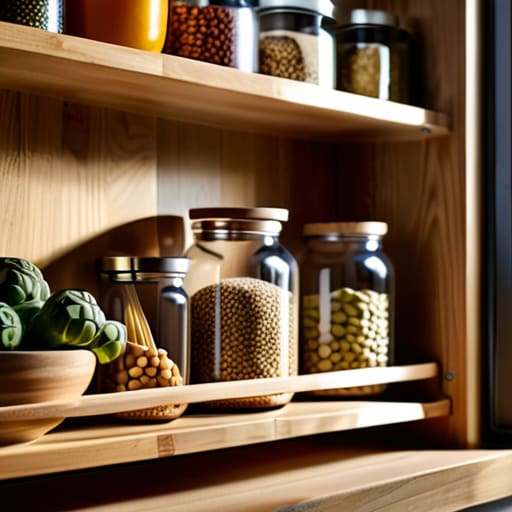
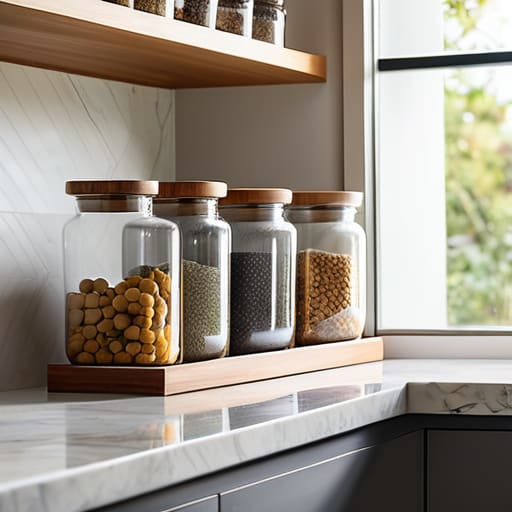
Most of us have a “junk drawer” equivalent in our pantry—that dark corner filled with half-empty bags of quinoa and expired canned goods. My rule is simple: if you haven’t touched it in six months, it’s probably just taking up valuable real estate. I spent a Sunday afternoon clearing everything out, wiping down the shelves, and only putting back what I actually use on a regular basis.
Reclaim Your Utensil Chaos
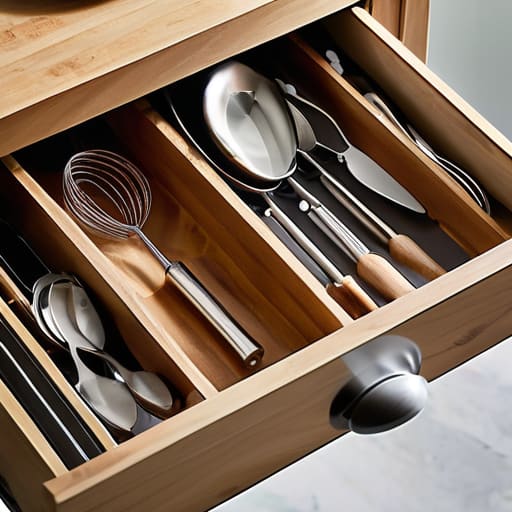
There is nothing more annoying than reaching into a junk drawer and coming up with a handful of random tools, a stray rubber band, and a dead battery instead of the spatula you actually need. I finally ditched the “everything in one drawer” approach for a more functional division. I use modular drawer organizers that actually fit the dimensions of my specific drawers, rather than trying to force one-size-fits-all bins into the space.
Utilize the "Hidden" Storage
If you live in a smaller space like I do, you have to start looking at the areas you usually ignore. The side of your fridge, the inside of your cabinet doors, and even the space under your sink are gold mines for organization. I hung a few small magnetic racks on the side of my fridge for my most-used spices, which freed up a massive amount of shelf space elsewhere.
The Bottom Line
Don’t aim for a Pinterest-perfect showroom; aim for a kitchen that actually works for your daily routine.
Start small with one drawer or one shelf so you don’t burn out before you’ve even finished.
Invest in functional tools that solve real problems rather than buying expensive gadgets that just take up more space.
The Real Goal of a Tidy Kitchen
Kitchen organization isn’t about having a Pinterest-perfect pantry or matching glass jars; it’s about making sure you aren’t hunting for a spatula for ten minutes every time you’re actually hungry.
Julian Reese Miller
Getting Back to What Matters
At the end of the day, organizing your kitchen isn’t about achieving some impossible, Pinterest-perfect aesthetic that requires a professional organizer and a massive credit card limit. It’s really just about the small, practical shifts—like grouping your spices, utilizing vertical space, or finally getting those heavy pots off the floor and into a logical spot. When you stop fighting your cabinets and start working with the layout you actually have, you reclaim those lost minutes spent digging through cluttered drawers. The goal here was never to create a museum; it was to build a system that works for you, not against you, so that making a simple meal doesn’t feel like an obstacle course.
Don’t feel like you have to overhaul the entire room in a single weekend. If you try to do everything at once, you’ll just end up exhausted and right back where you started. Just pick one corner, one drawer, or one shelf to tackle this week. Once you see how much smoother things run when everything has a dedicated home, you’ll find the momentum to keep going. Remember, being capable of managing your space is a skill you build one step at a time. Get these small wins under your belt so you can stop managing your kitchen and actually start enjoying it.
Frequently Asked Questions
I have a tiny kitchen with almost zero counter space; how do I prioritize what stays out and what gets tucked away?
Look, I’ve lived in apartments where the toaster and the coffee maker were basically fighting for the same six inches of granite. My rule is simple: if you don’t use it daily, it doesn’t earn a spot on the counter. Keep your most-used tools—like the chef’s knife or the kettle—within arm’s reach, but everything else goes in a drawer or a cabinet. If it’s a “sometimes” item, it stays tucked away.
How much money should I actually spend on organizers versus just using what I already have in my junk drawer?
Look, don’t go out and buy a matching set of expensive acrylic bins just because an Instagram ad told you to. That’s how you end up with a cluttered closet and a lighter wallet. Start with what you have—old shoeboxes, glass jars, or even those takeout containers. If a solution works and keeps things from shifting around, it’s a win. Only spend money when you hit a specific gap that existing gear can’t fill.
I'm a big cook, but my pantry always turns into a mess within a week—is there a way to keep it organized that actually lasts?
Look, I get it. I used to treat my pantry like a junk drawer until I realized that “organization” isn’t about pretty containers; it’s about flow. If you’re a big cook, you need zones. Group your stuff by how you actually use it—baking together, pasta/grains together, oils and spices in one spot. If you have to hunt for salt while something is searing, the system is broken. Keep it functional, and it’ll actually stay that way.