 Home
Home
Organizing Your Entryway for a Much Smoother Morning Routine
You don’t need a custom-built mahogany mudroom or a $500 designer console table to fix the chaos hitting you the second you walk through the door. Honestly, most of the “aesthetic” organization advice you see online is just expensive clutter in disguise, and it’s frustrating because it makes a simple problem feel like a luxury renovation. I’ve learned the hard way that knowing how to organize your entryway isn’t about buying more stuff; it’s about creating a system that actually works with your real, messy life.
I’m not here to sell you on a lifestyle overhaul or a Pinterest-perfect dream that falls apart the moment you bring in groceries. My goal is to give you the exact, practical steps to reclaim that small slice of your home so you can stop tripping over boots and start actually relaxing when you get home. We’re going to focus on high-impact, low-cost solutions that prioritize function over fluff, ensuring your entryway serves you instead of becoming another chore on your to-do list.
Table of Contents
Smart Shoe Storage Solutions for Foyers That Actually Work
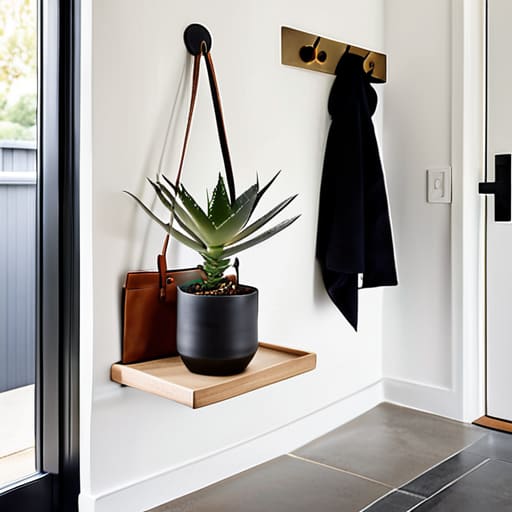
Look, we’ve all been there: you walk through the door after a long day, only to be greeted by a literal mountain of sneakers and boots. It’s frustrating, and it makes the whole house feel cluttered before you even reach the living room. If you’re working with tight quarters, you need to look up. I’ve found that wall mounted entryway organizers are absolute game-changers for keeping floor space clear. Whether it’s a sleek floating shelf or a series of sturdy hooks, getting those shoes off the ground immediately makes the space feel larger and more intentional.
If you have a bit more breathing room, don’t just throw a random bench in there. Aim for a balance of entryway decor and function by choosing a piece that actually serves a purpose, like a storage bench with cubbies. This allows you to tuck away the daily drivers—the shoes you wear every single morning—while keeping the visual mess hidden. It’s about creating a system that works for your actual life, not just looking like a showroom. If you can contain the footwear, the rest of the organization usually falls into place much easier.
Mastering Your Entryway Furniture Layout Without the Stress
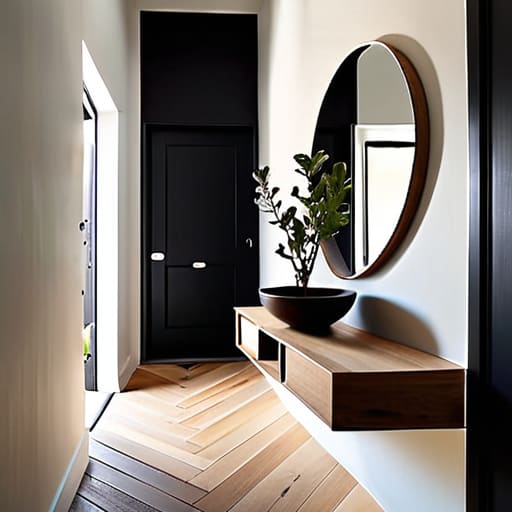
When you’re looking at an empty hallway or a cramped corner, it’s easy to just shove a random chair or a cheap plastic table in there and call it a day. But trust me, a haphazard entryway furniture layout is usually the root cause of that “clutter creep” that happens by Tuesday afternoon. The trick isn’t about buying more stuff; it’s about understanding the flow of your specific space. If you have a narrow corridor, stop trying to force a bulky console table into the mix. Instead, think vertically. You want to create a clear path for your feet while still providing a landing zone for your keys and mail.
I’m a big believer in the “zone” approach to balance entryway decor and function. You need a spot to sit if you’re struggling with boots, but you also need a surface that doesn’t become a graveyard for junk mail. If you’re working with tight quarters, I highly recommend looking into wall mounted entryway organizers. They keep your floor clear, which makes even the smallest apartment feel significantly more intentional and less like a storage unit. Focus on pieces that serve at least two purposes, and you’ll save yourself a massive headache down the road.
Five Quick Wins to Keep the Chaos at Bay
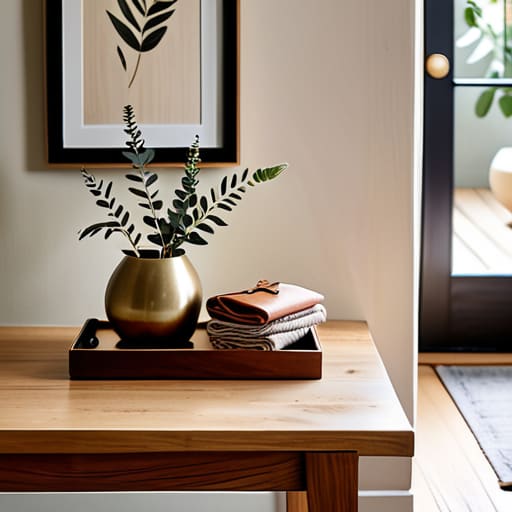
- Grab a few heavy-duty command hooks or a sleek wall-mounted rack. If your keys, bags, and umbrellas are always looking for a home, give them a designated spot high up so they aren’t cluttering your surfaces.
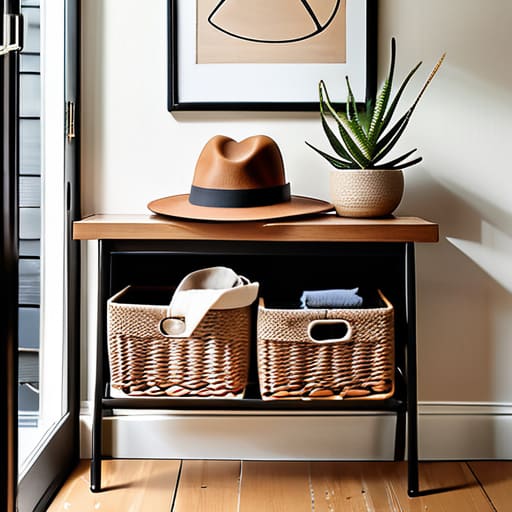
- Use small, clear bins or decorative baskets for the “miscellaneous” stuff. I keep one for mail that actually needs my attention and another for things like sunglasses or dog leashes; it stops the junk drawer effect from spreading to your front door.
- Set up a “drop zone” for your tech. A small, dedicated charging station or even just a specific tray for your phone and earbuds ensures you aren’t tearing the house apart five minutes before you have to leave.
- Don’t overlook lighting. A dark entryway feels cramped and messy, but a simple, bright lamp or a motion-sensor light makes the space feel intentional and much easier to navigate when you’re coming home late.
- Implement a “one-in, one-out” rule for your seasonal gear. When the heavy winter coats come out of storage, tuck the light windbreakers away. Keeping only what you actually need for the current weather prevents that overwhelming pile-up on the bench.
The Entryway Cheat Sheet
Prioritize “drop zones” for your essentials—keys, mail, and wallets—so you aren’t frantic and searching for things when you’re already five minutes late.
Think vertically; if you’re short on floor space, use wall hooks or slim shelving to keep the walkway clear and the clutter off the ground.
Don’t overcomplicate the setup; pick one reliable spot for shoes and one for bags, and stick to it so the system actually stays functional.
## The Philosophy of the Threshold
“Your entryway shouldn’t feel like a hurdle you have to jump over every time you walk through the door; it should be the one place in your house that actually helps you transition from the chaos of the world back into your own life.”
Julian Reese Miller
Getting Your Space (and Sanity) Back
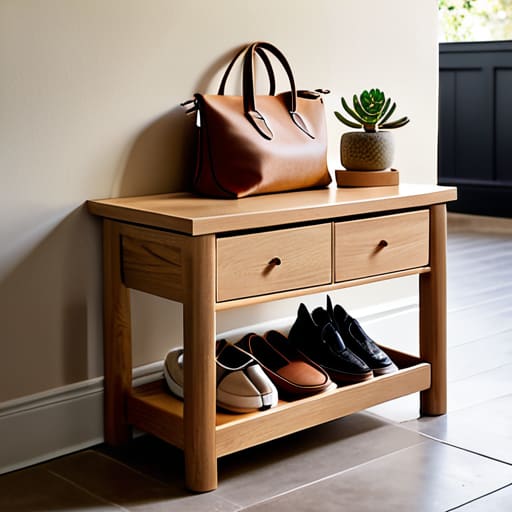
Look, we’ve covered a lot of ground here, from finding shoe storage that doesn’t look like a cluttered mess to arranging your furniture so the room actually flows. The goal isn’t to create a showroom-perfect entryway that you’re afraid to touch; it’s about building a system that actually works for your daily life. Whether you’re implementing a dedicated hook for your keys or finally investing in a slim console table, the objective is the same: eliminating the friction that happens the second you walk through the door. When your gear has a designated home, you stop hunting for your wallet every morning and start moving through your day with a bit more intention.
At the end of the day, an organized entryway is about more than just aesthetics or clever layouts. It’s about reclaiming those small, wasted moments of frustration so you can focus on what actually matters. You don’t need a massive renovation or a professional organizer to make this happen—you just need a functional plan and the willingness to stick to it. Take it one step at a time, keep it simple, and remember that a little bit of order goes a long way in making your home feel like a sanctuary rather than another item on your to-do list. Now, go get that space sorted so you can get back to living.
Frequently Asked Questions
I have a tiny entryway with zero floor space; what are my options for keeping things organized without it feeling claustrophobic?
If you’re working with zero floor space, stop looking down and start looking up. When the floor is off-limits, your walls are your best friend. I’m a big fan of floating shelves or a slim wall-mounted organizer with hooks. It keeps the visual clutter off the ground, which instantly makes a cramped space feel less claustrophobic. Think vertical: a narrow pegboard or even a few sturdy command hooks can hold your keys, bags, and mail without swallowing your hallway.
How do I handle the "clutter magnet" problem, like mail and keys, without adding more bulky furniture to the space?
The trick is to stop thinking about “storage” and start thinking about “landing zones.” You don’t need a new console table; you just need a designated spot for the chaos to land. I use a small, wall-mounted key rack and a slim, vertical mail organizer. It keeps the surfaces clear and the items off the floor. If it doesn’t have a specific home, it’s just clutter waiting to happen. Keep it vertical, keep it slim.
Is it worth investing in a dedicated mudroom bench, or can I make a smaller space work with just hooks and shelves?
Look, if you have the square footage, a mudroom bench is a game-changer for keeping the chaos contained. It gives you a place to sit and actually get your shoes on without doing a frantic dance. But if you’re working with a tight hallway, don’t sweat it. A heavy-duty wall rack with sturdy hooks and a slim floating shelf will do the job perfectly. Focus on vertical space; it keeps the floor clear and the vibe calm.