 Home
Home
Stop Losing Your Keys: How to Build a Functional…
I used to think that a “Pinterest-perfect” entryway required a custom-built mudroom and a budget that looked like a small mortgage payment. I was wrong. For a long time, I let the chaos of my apartment’s front door dictate my mood—tripping over a stray sneaker or hunting for my keys for ten minutes every single morning is a terrible way to start a workday. Most of the advice you see online about home entry organization is just expensive fluff designed to sell you aesthetic baskets you don’t actually need. You don’t need a designer foyer; you just need a system that actually works when you’re tired and running late.
I’m not here to sell you on a lifestyle overhaul or a trip to a high-end boutique. My goal is to give you the straightforward, low-cost tactics I’ve used to reclaim my own space and my sanity. We’re going to focus on functional setups—think hooks, landing zones, and smart storage—that prioritize efficiency over aesthetics. I’ll show you exactly how to tame the clutter so you can drop your gear, find your essentials, and finally get on with your life.
Table of Contents
Small Entryway Decluttering Tips That Actually Work
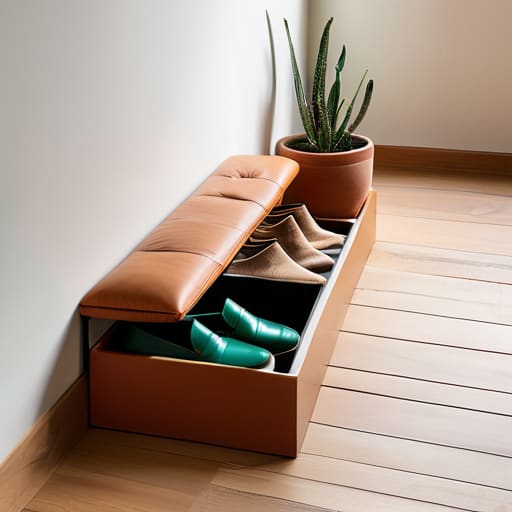
If your entryway is more of a “catch-all” for everything you’re too tired to deal with, you aren’t alone. The mistake most people make is trying to tackle the whole space at once. Instead, focus on the high-traffic zones. Start by clearing the floor. If you have a pile of shoes that seems to have its own ecosystem, consider an entryway bench with storage. It solves two problems at once: it gives you a place to sit while lacing up, and it tucks the clutter out of sight. It’s about making the space work for you, not against you.
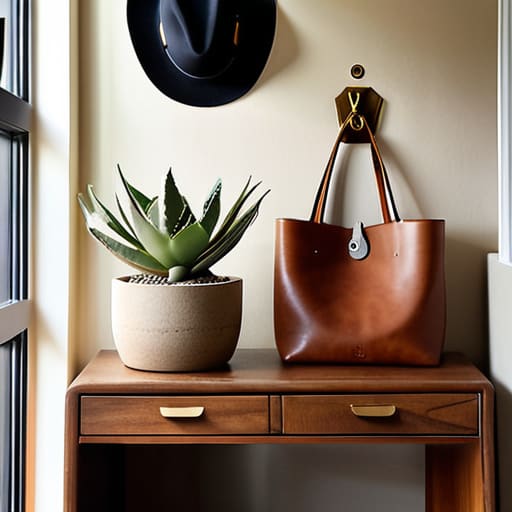
Next, let’s talk about the surface clutter. We’ve all been there—a mountain of unopened envelopes and loose change slowly colonizing the console table. To keep this from happening, I recommend dedicated stations for organizing mail and small items. A simple tray or a wall-mounted pocket can act as a “landing zone” for your keys and daily paperwork. When you give these things a specific home, you stop the mental friction of searching for your essentials every single morning.
Smart Mudroom Storage Solutions for Real Life
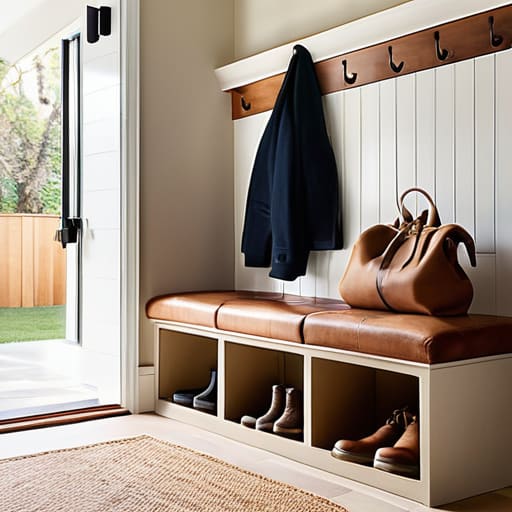
If you’re lucky enough to have a dedicated mudroom, don’t let it turn into a graveyard for abandoned backpacks and single socks. The secret to making these spaces work is choosing pieces that pull double duty. I’m a huge fan of the entryway bench with storage—it gives you a place to sit while you’re wrestling with boots, but it also hides the seasonal clutter that usually trips you up. Instead of letting shoes pile up in a chaotic heap, use those cubbies to keep the floor clear.
For the stuff that doesn’t fit in a bin, you need a system for the “micro-chaos.” I usually set up a small tray or a wall-mounted pocket specifically for organizing mail and small items like loose change or keys. It’s a tiny adjustment, but it stops that slow creep of junk that eventually makes a space feel claustrophobic. When you prioritize entryway decor and function together, you aren’t just making the room look better; you’re building a launchpad that actually helps you get out the door on time.
Five Low-Effort Moves to Keep the Chaos at Bay
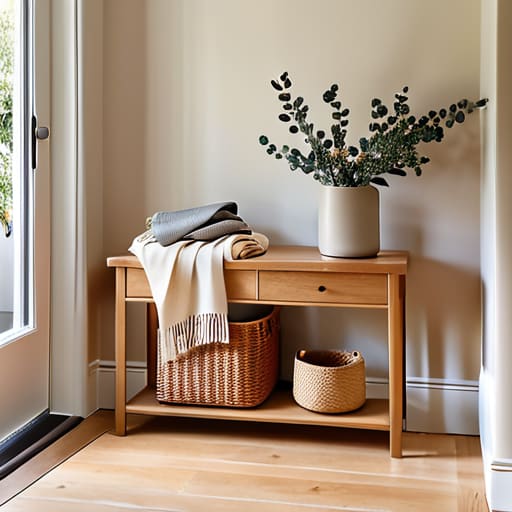
- Stop the “Key Graveyard” by mounting a single, sturdy hook or a small tray right by the door. If you have to hunt for your keys every morning, you’ve already lost the day before it started.
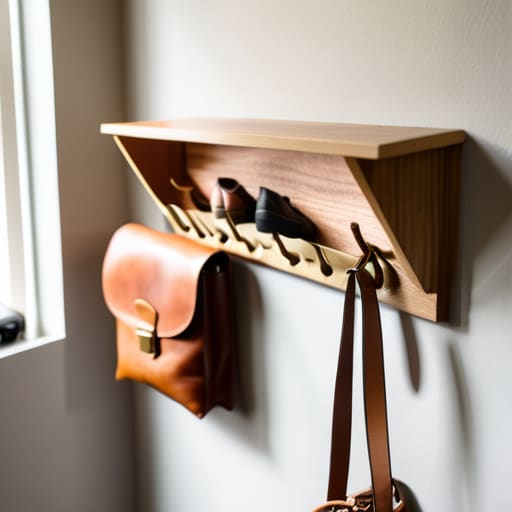
- Use vertical space for the stuff that usually ends up on the floor. A few simple wall hooks for bags or a slim shoe rack can clear up enough floor space to make a cramped hallway feel breathable.
- Create a “one-in, one-out” rule for seasonal gear. When the heavy winter coats come out of storage, move the summer sandals to a bin in the closet. Don’t let last season’s clutter crowd out what you actually need right now.
- Set up a designated “launchpad” for your essentials. Keep a small basket or drawer specifically for things like mail, sunglasses, or your wallet so they have a home that isn’t just “wherever I last dropped them.”
- Invest in a heavy-duty door mat that actually does its job. It sounds basic, but catching dirt and grit at the threshold saves you from having to deep-clean your entire living area every single weekend.
The Bottom Line: Keeping the Chaos at Bay
Focus on “landing zones”—give your keys, mail, and wallet a specific home so you aren’t tearing the couch cushions apart five minutes before you have to leave.
Prioritize vertical space over floor space; if your entryway is tiny, use wall hooks and floating shelves to keep the floor clear and the walkways open.
Build a system that works for your actual routine, not a Pinterest ideal—if you don’t use a shoe rack, don’t buy one; just get a basket that fits how you actually live.
The Philosophy of the Entryway
Your entryway shouldn’t be a gauntlet of stuff you’re tripping over; it should be the place where you drop the weight of the outside world so you can actually walk into your home and breathe.
Julian Reese Miller
Getting Your Space Back on Track
At the end of the day, organizing your entryway isn’t about achieving some Pinterest-perfect aesthetic that looks good in a photo but fails the reality test. It’s about the small, practical wins we talked about: clearing that mountain of shoes, setting up a dedicated spot for your keys, and making sure your mudroom actually serves your daily routine instead of fighting against it. By implementing these simple, functional systems, you aren’t just tidying up a room; you’re removing those tiny, nagging friction points that make coming home feel like a chore. Remember, the goal is to make your space work for you, not the other way around.
Don’t feel like you have to overhaul the entire house by tomorrow morning. Start with one small corner or even just one single hook, and build from there. The most important thing is to create a space that allows you to breathe the second you walk through the door. You deserve a home that feels like a sanctuary, not a staging ground for clutter. Take it one step at a time, keep your tools handy, and reclaim your time so you can focus on the things that actually matter. You’ve got this.
Frequently Asked Questions
I live in a tiny studio apartment—how do I organize an entryway when there isn't even a dedicated hall?
Look, I’ve lived in spaces where the “entryway” was just a corner next to my bed. When you don’t have a hallway, you have to create a “zone” instead of a room. Use a slim, wall-mounted command center—think a single sturdy hook for your keys and a small floating shelf for your mail. It keeps the clutter from migrating onto your dining table. Keep it vertical, keep it minimal, and keep it off the floor.
What are some budget-friendly ways to handle heavy winter gear without buying a massive, expensive mudroom bench?
You don’t need a custom built-in bench to handle the winter onslaught. I usually lean on heavy-duty wall hooks—the kind that actually bite into the studs—to hang those heavy parkas so they aren’t weighing down your chairs. For the boots, grab a few cheap plastic boot trays from a hardware store. They catch the slush and salt, keeping your floors clean without costing a fortune. It’s about function over aesthetics.
How do I keep the "drop zone" from turning into a permanent pile of mail and random junk after just one week?
The trick is to stop treating your drop zone like a storage unit and start treating it like a transit station. If it stays there, it’s officially junk. I use a “one-touch” rule: when I walk in, mail goes straight to the shredder or a dedicated bin—never the counter. Pair a small tray for keys with a single, slim basket for “to-do” items. If it doesn’t fit in the basket, it doesn’t belong in the zone.