 Home
Home
Your Seasonal Home Maintenance Guide: Everything You Need to…
I still remember the first time I tried to tackle a “complete home overhaul” in my old apartment. I had spent an entire Saturday watching endless, high-production DIY videos, only to end up staring at a leaking faucet and a pile of expensive, specialized tools I didn’t actually need. It was a total waste of time. Most people make seasonal home maintenance feel like this massive, daunting mountain of chores that requires a professional crew and a huge budget just to keep the lights on. But honestly? That’s just marketing fluff designed to make you feel like you can’t handle your own space.
I’m not here to sell you a lifestyle or a dozen unnecessary gadgets. My goal is to give you the exact, stripped-down steps you need to keep your place running smoothly without turning your weekends into a second job. We’re going to focus on high-impact, low-effort tasks that actually prevent expensive disasters down the road. Consider this your no-nonsense roadmap to a functional home, so you can stop worrying about your gutters or your HVAC and get back to actually living your life.
Table of Contents
Smart Preventative Home Care Tips for Busy People
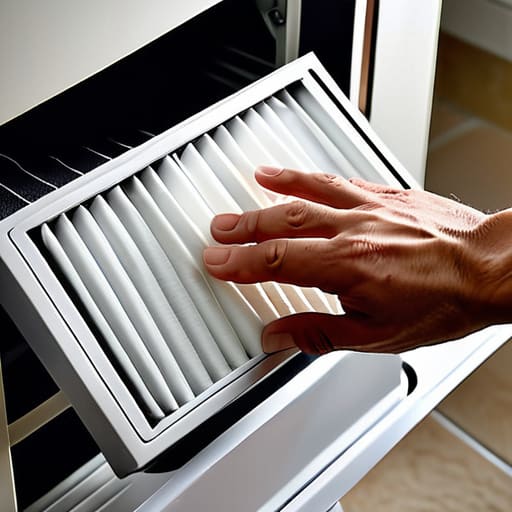
The secret to not spending your entire Saturday under a sink is focusing on small, high-impact wins. I’m a big believer in the “set it and forget it” mentality, which is why I prioritize seasonal HVAC maintenance above almost everything else. You don’t need to be an engineer to do this; just changing your filters every few months and giving your unit a quick visual check can save you from a massive repair bill in the middle of a heatwave. It’s about catching the small stuff before it becomes an expensive emergency.
Another area where people usually drop the ball is the perimeter of their house. I like to treat my exterior home upkeep tasks like a quick reconnaissance mission. Take ten minutes once a season to walk around your property. Look for clogged gutters, cracks in the foundation, or any signs of moisture. It sounds tedious, but protecting your home from weather damage is significantly cheaper than fixing water damage later. If you keep a simple running list on your phone, you can knock these tasks out in small bursts rather than letting them pile up into a weekend-ruining mountain of work.
Your No Nonsense Annual Home Inspection Checklist

Think of this as your yearly “gut check” for the house. You don’t need to be a structural engineer to spot the red flags that lead to massive repair bills later. I like to break my annual home inspection checklist into two categories: the stuff you can see from the sidewalk and the stuff hiding behind your walls. Start outside by checking your roof shingles for lifting and clearing those gutters. If you let debris pile up, you’re essentially inviting water to find its way into your foundation, which is a nightmare nobody needs.
Once you’re inside, focus on the systems that keep you comfortable. Instead of waiting for your AC to die in mid-July, prioritize seasonal HVAC maintenance by swapping out filters and vacuuming the dust from your vents. It’s a small, ten-minute task that makes a huge difference in your energy bills. While you’re at it, take a quick peek under your sinks for any dampness or slow leaks. Catching a tiny drip now is a lot cheaper—and much less stressful—than dealing with a flooded kitchen cabinet six months down the line.
Five Low-Effort Wins to Save You Time (and Money) Later
- Clear your gutters before the heavy rain hits. It sounds like a massive chore, but spending twenty minutes clearing out the debris now prevents a thousand-dollar water damage nightmare in your foundation later.
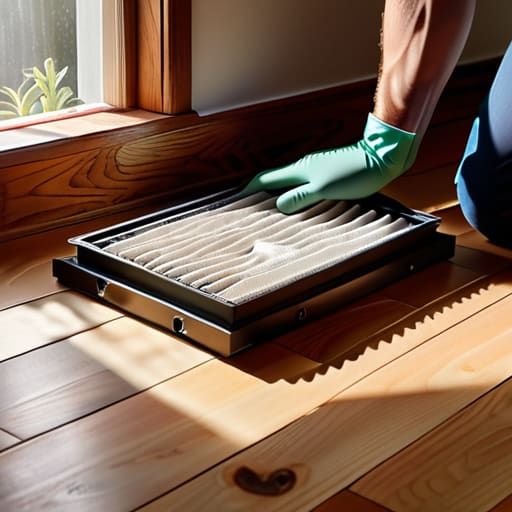
- Swap your filters like you swap your toothbrush. Whether it’s your HVAC or your water pitcher, changing these on a set schedule keeps things running efficiently and keeps your utility bills from creeping up.
- Do a quick walk-around of your exterior once a season. I always grab my multi-tool and walk the perimeter to check for loose siding, cracks in the window seals, or anything that looks like it’s starting to give way.
- Test your smoke and carbon monoxide detectors. It takes thirty seconds to hit the test button, but it’s one of those “set it and forget it” tasks that provides massive peace of mind for zero cost.
- Check your outdoor faucets and hoses as the temperature shifts. There’s nothing worse than a burst pipe in the middle of a freeze because you forgot to disconnect a garden hose—it’s an easy fix that saves a massive headache.
The Bottom Line: Keep It Simple
Don’t aim for perfection; just aim for consistency. Tackling one small task a week is better than letting a mountain of repairs snowball into an expensive weekend-long nightmare.
Treat your home like a machine that needs regular tuning. A little bit of preventative maintenance—like changing filters or checking seals—saves you a massive amount of time and money in the long run.
Keep your tools ready and your list short. You don’t need a professional crew for everything; if you have a basic kit and a clear plan, you can handle most of the heavy lifting yourself.
The Philosophy of Maintenance
“I don’t look at home maintenance as a series of chores; I look at it as a way to prevent a tiny, manageable task from turning into an expensive, weekend-ruining disaster. Spend twenty minutes on it now, or spend twenty hours on it later—the choice is yours.”
Julian Reese Miller
Don't Let Your Home Run You

Look, I know that staring at a long list of seasonal tasks can feel like you’re staring down a mountain you never asked to climb. But if you stick to the plan—checking those filters, clearing the gutters, and keeping an eye on your HVAC—you’re doing more than just ticking boxes. You are actively preventing those expensive, middle-of-the-night emergencies that derail your entire week. By breaking these chores down into manageable, bite-sized chunks, you turn home maintenance from a chaotic crisis into a predictable routine that actually fits into your life.
At the end of the day, the goal isn’t to become a professional handyman or spend every weekend covered in dust. The goal is to build a living space that works for you, rather than against you. When you take control of these small, practical steps now, you’re essentially buying back your future time and peace of mind. So, grab your multi-tool, pick one thing from the list, and get it done. You’ve got better things to do with your life than worry about a leaky pipe or a clogged drain, and this is how you make that happen.
Frequently Asked Questions
I'm short on time—which of these tasks are actually non-negotiable and which ones can I push to next month?
Look, I get it. Between work and actually having a life, you can’t do everything at once. If you’re drowning, prioritize the “safety and structure” stuff: check your smoke detectors, clear your gutters (to prevent water damage), and inspect your HVAC filters. Those are non-negotiable. Everything else—like deep cleaning the pantry or organizing the garage—can definitely wait until next month. Focus on preventing expensive disasters first, then worry about the aesthetics later.
How much should I realistically be setting aside each month to cover these repairs without blowing my budget?
Look, I get it. The last thing you want to do is treat your home like a black hole for your paycheck. A solid rule of thumb is to set aside 1% of your home’s total value every year for maintenance. If that feels too abstract, aim for about $100 to $200 a month, depending on your place. Treat it like a non-negotiable bill; that way, when the water heater finally quits, it’s a minor inconvenience rather than a crisis.
Do I actually need to hire a pro for things like HVAC servicing, or can I handle the basics myself with a few tools?
Look, I’m all for the DIY approach—it saves money and builds confidence—but there’s a line between “handy” and “dangerous.” You can absolutely handle the basics, like swapping out filters or clearing debris from your outdoor unit. That’s just good maintenance. But once you start messing with electrical components or refrigerant lines, stop. If it requires specialized gauges or high-voltage expertise, hire a pro. It’s cheaper to pay a technician than to replace a fried system.