 Home
Home
The Ultimate Guide to Getting Your Paperwork Under Control
I used to think that if I just bought one of those massive, color-coded filing cabinets from an office supply store, my life would suddenly fall into place. I spent way too much money on accordion folders and label makers, thinking that a “system” was something you bought rather than something you built. But let’s be real: most of those expensive organizational hacks are just expensive distractions that end up gathering dust in a corner. If you’re searching for how to organize paperwork because you’re tired of digging through a kitchen junk drawer just to find a single utility bill, you don’t need a professional office setup—you just need a way to stop the bleeding.
I’m not here to sell you on a lifestyle overhaul or a complicated digital archiving suite that takes twenty hours a week to maintain. My goal is to give you a stripped-back, functional method that actually works for someone with a real job and a real life. I’ve spent years refining a process that prioritizes speed and retrieval over aesthetics, so you can spend less time sorting through envelopes and more time actually living your life.
Table of Contents
- The Essential Sorting Important Documents Checklist
- Smart Filing Cabinet Organization Methods That Actually Work
- Five Ways to Keep the Paper Chaos from Coming Back
- The Bottom Line: Keep It Simple and Stay Consistent
- The Real Goal of Filing
- Getting Your Life Back from the Paper Trail
- Frequently Asked Questions
The Essential Sorting Important Documents Checklist
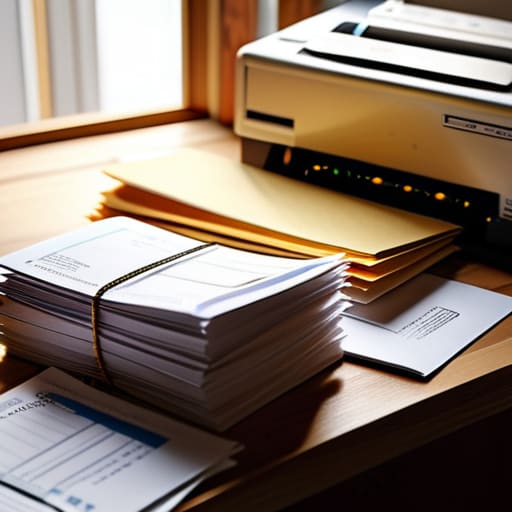
Before you even touch a folder or a scanner, you need to know what actually deserves a spot in your life and what belongs in the trash. I like to start with a basic sorting important documents checklist to keep me from getting overwhelmed. Group everything into four buckets: Keep Forever (birth certificates, social security cards, property deeds), Keep Temporarily (tax returns from the last seven years, active warranties), Action Required (unpaid bills, pending insurance claims), and Trash/Shred. If you can’t immediately categorize a piece of paper, set it aside in a “maybe” pile so you don’t stall your momentum.
Once you’ve separated the wheat from the chaff, it’s time to deal with the junk. Don’t just toss sensitive info in the recycling bin; that’s how identity theft happens. If you have a mountain of old bank statements or expired credit cards, grab a shredder. If you’re looking to go paperless, this is the perfect moment to implement some digital document scanning tips—scan the “Keep Forever” stuff, back it up to a secure cloud, and then physically clear the clutter. It’s about making space for what matters.
Smart Filing Cabinet Organization Methods That Actually Work
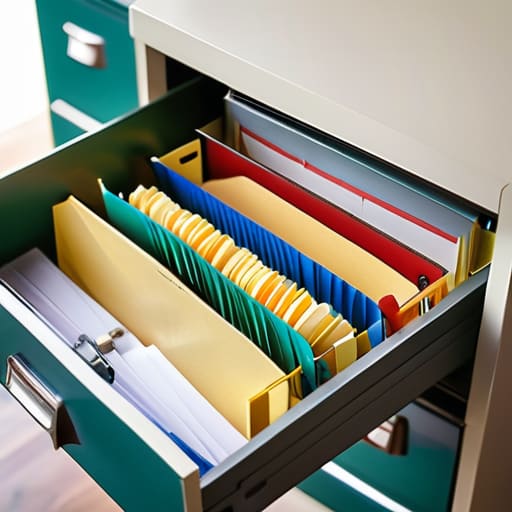
Once you’ve finished your sorting important documents checklist, it’s time to actually put things away. I’ve learned the hard way that if a system is too complex, I’ll just stop using it after a week. For most of us, the best filing cabinet organization methods rely on a simple “Life Category” approach rather than a hyper-specific chronological one. I group my files into broad buckets: Finance, Health, Property, and Identity. Within those drawers, use color-coded hanging folders—blue for medical, green for money—so your brain can find what it needs in seconds without having to read every single tab.
If you’re working with a smaller footprint or a desk drawer, don’t feel pressured to buy a massive steel cabinet. I often use expandable accordion files for seasonal or “active” paperwork. However, if you want to truly reclaim your space, I highly recommend integrating some digital document scanning tips into your routine. Scan the stuff you only need for reference, toss the hard copy, and keep the digital version in a secure cloud folder. It’s about finding that sweet spot between physical accessibility and minimal clutter.
Five Ways to Keep the Paper Chaos from Coming Back
- Stop the bleed at the source. Get a single, dedicated tray or basket near your entryway. Everything—mail, receipts, school forms—goes in that tray immediately. If it doesn’t go in the tray, it doesn’t enter your living space. This prevents that “paper avalanche” from forming on your dining table.
- Go digital for the junk. I don’t care how much you love the feel of paper, but you don’t need a physical copy of a utility bill from 2022. Use a scanning app on your phone to digitize important receipts or manuals, then shred the hard copy. If it’s in the cloud, it’s searchable; if it’s in a drawer, it’s lost.
- Use the “One-Touch” rule. When you pick up a piece of mail, don’t put it back down in a different spot. Either file it, shred it, or act on it right then and there. Moving a piece of paper from the counter to the coffee table isn’t “organizing”—it’s just relocating the mess.
- Color-code like you actually mean it. Don’t overcomplicate this with twenty different shades. Use three or four distinct colors: one for financial stuff, one for medical, one for home/auto, and one for personal. It makes finding that one specific tax document ten times faster when you’re in a rush.
- Schedule a monthly “purge” session. Set a recurring calendar invite for 20 minutes on the last Sunday of every month. Go through your active files, toss the expired warranties, and clear out the tray. It’s much easier to maintain a system in small bursts than to try and fix a disaster once a year.
The Bottom Line: Keep It Simple and Stay Consistent
Don’t aim for perfection; aim for a system you can actually maintain when life gets busy.
Separate your “must-haves” from the clutter so you aren’t digging through junk just to find a birth certificate.
Set a recurring monthly timer—just fifteen minutes—to file new papers so the pile never becomes a mountain again.
The Real Goal of Filing
“The point of organizing your paperwork isn’t to build a museum-grade archive; it’s to make sure that when you actually need something, you can find it in thirty seconds instead of thirty minutes.”
Julian Reese Miller
Getting Your Life Back from the Paper Trail
At the end of the day, organizing your paperwork isn’t about achieving some perfect, Pinterest-worthy filing aesthetic. It’s about the practical stuff: knowing exactly where your birth certificate is when you need it and having a system that doesn’t collapse the moment life gets busy. We covered how to sort your essentials, which documents actually matter, and how to choose a filing method that fits your actual lifestyle rather than an idealized version of it. If you follow these steps, you aren’t just cleaning a drawer; you are building a functional system that works for you, instead of you working for it.
I know that looking at a mountain of mail and old receipts can feel overwhelming, like just another chore on an endless to-do list. But remember, the goal here isn’t to spend your entire weekend playing secretary; it’s to reclaim your headspace. Once this is done, that low-level background anxiety about “losing something important” will finally quiet down. Take it one folder at a time, keep it simple, and don’t overcomplicate the process. You’ve got the tools and the plan now—so get this sorted, close the drawer, and go enjoy your actual life.
Frequently Asked Questions
What do I do with all the old documents that I’m too nervous to just throw away?
I get it—that “just in case” anxiety is real. But keeping every old utility bill is just hoarding stress. Here’s my rule of thumb: if it’s not a tax record (keep those for seven years), a legal contract, or a birth certificate, you probably don’t need it. For the stuff in between, shred anything with your name, address, or account numbers. If it doesn’t have sensitive data, recycle it. Clear the clutter so you can breathe.
Is it actually worth digitizing everything, or is that just more tech clutter I don't need?
Look, I get it. The last thing you need is a mountain of useless PDFs cluttering up your hard drive. My rule of thumb? Don’t digitize everything. If it’s a birth certificate or a house deed, keep the physical original in a fireproof spot. But for utility bills, old tax returns, or manuals? Scan them. It saves you from digging through drawers every time you need a reference, and that’s time you get back.
How often do I actually need to sit down and go through these files so they don't become a mess again?
Look, I’m not going to tell you to spend your entire Saturday doing this. That’s a recipe for burnout. Instead, aim for a “maintenance” mindset. Set a recurring calendar invite for a quick 15-minute purge once a month—just to toss the junk mail and old receipts. Then, do one deeper dive every six months to archive the old stuff. Keep it bite-sized so you stay ahead without it feeling like a chore.