 Home
Home
Stylish Ways to Design a Home That’s Also Pet-friendly
I used to think that making a space livable for animals meant choosing between a pristine, minimalist apartment and a house that looked like a disaster zone of chew toys and shredded upholstery. I remember staring at a particularly expensive velvet sofa in my old place, knowing my dog would absolutely destroy it within twenty minutes, and feeling like I had to choose between my aesthetic and my pet. The internet is full of these incredibly expensive, over-engineered “pet solutions” that promise a perfect life, but most of those pet friendly home ideas you see on Pinterest are just ways to drain your bank account without actually solving the chaos.
I’m not here to sell you on custom-built, built-in dog crates that cost more than my monthly rent. Instead, I want to give you the straightforward, practical tactics I’ve used to keep my own place functional and clean while still giving my pets the space they need. We’re going to focus on durable materials, smart organization, and a few low-effort tweaks that actually work. My goal is to help you create a home that works for everyone—including the four-legged roommates—so you can stop stressing about the mess and get back to actually enjoying your space.
Table of Contents
- Choosing Durable Fabrics for Pet Owners and Busy Lives
- Finding Easy to Clean Flooring for Dogs and Kids
- Five Small Tweaks to Keep Your Place Pet-Ready (Without the Stress)
- The Bottom Line for a Stress-Free, Pet-Friendly Home
- ## The Philosophy of a Living Space
- Making It Work for You
- Frequently Asked Questions
Choosing Durable Fabrics for Pet Owners and Busy Lives
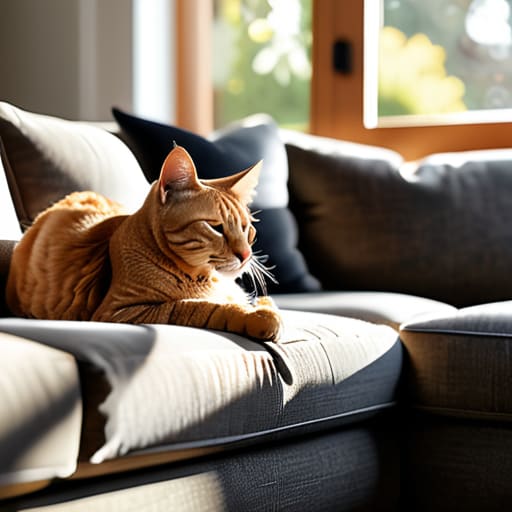
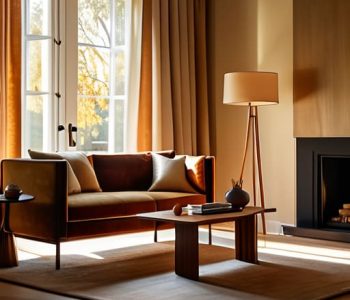
If you’ve ever spent twenty minutes picking out a beautiful velvet sofa only to watch your cat turn it into a shredded mess within a week, you know the frustration. I’ve learned the hard way that aesthetics mean nothing if they aren’t functional. When you’re shopping for furniture, stop looking at the color first and start looking at the weave. You want to prioritize scratch resistant upholstery—think tightly woven materials like microfiber or high-quality synthetic blends. These fabrics are much harder for claws to snag, which means less time spent picking hair out of fibers and more time actually relaxing.
It’s also about how much effort you want to put into maintenance on a Tuesday night after a long workday. I tend to lean toward darker tones or subtle patterns that can mask the occasional stray hair or muddy paw print. If you’re looking for something truly low-maintenance, investing in durable fabrics for pet owners that are specifically labeled as stain-resistant is a total game changer. It’s not about making your home look like a sterile kennel; it’s about choosing pieces that can actually handle the chaos of real life.
Finding Easy to Clean Flooring for Dogs and Kids
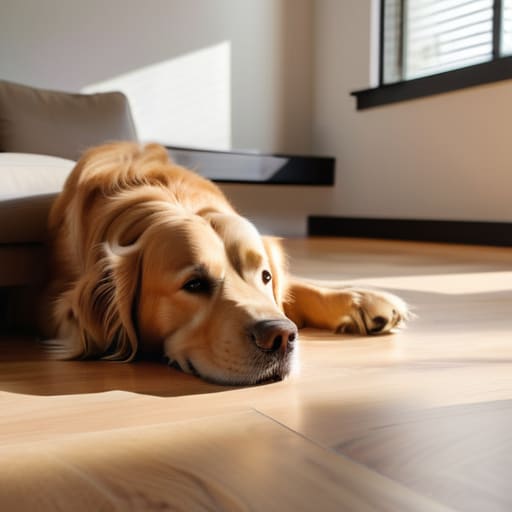
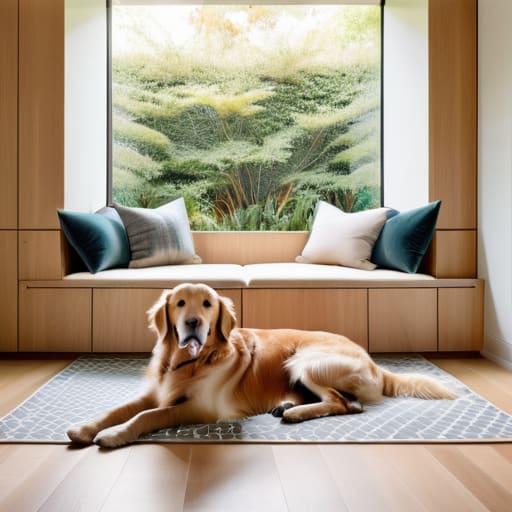
If you’ve ever spent a Saturday afternoon scrubbing muddy paw prints out of a high-pile rug, you know that the wrong floor choice can turn your home into a full-time cleaning job. I used to think carpet was the only way to keep a space feeling cozy, but once I started living with more activity, I realized it was just a magnet for hair and stains. If you’re looking for easy to clean flooring for dogs and kids, I’d suggest looking toward luxury vinyl plank (LVP) or even high-quality laminate. They give you that warm, wood-look aesthetic without the nightmare of water damage or deep-set grime.
The key is finding something that can handle the daily chaos. You want a surface that’s hardy enough to withstand heavy traffic but doesn’t feel cold and clinical underfoot. For instance, LVP is a lifesaver because it’s incredibly water-resistant, meaning a spilled water bowl or a rainy walk won’t ruin your afternoon. It’s all about choosing materials that work for you, rather than you working for them, so you can actually spend your time relaxing.
Five Small Tweaks to Keep Your Place Pet-Ready (Without the Stress)
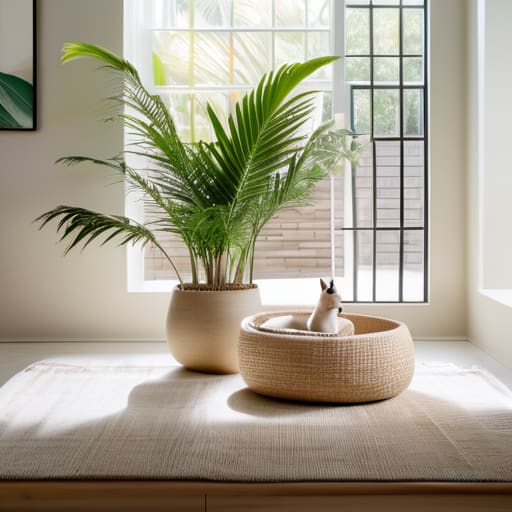
- Set up a “command center” near the door. I started keeping a small, stylish basket by my entryway for leashes, poop bags, and extra towels. It stops that frantic morning scramble when you realize you can’t find the leash right as you’re heading out the door.
- Opt for vertical storage to reclaim your floor space. If you have a dog that loves to zoom through the living room, getting your clutter—like magazines, remote controls, or small decor—up onto floating shelves keeps the “runway” clear and prevents accidental knock-overs.
- Create a dedicated, low-profile feeding station. Instead of having bowls floating in the middle of the kitchen floor, try a small, waterproof tray or a designated corner. It keeps the kibble mess contained and makes it way easier to wipe down the floor at the end of the day.
- Use multi-purpose furniture that works for humans first. I’m a big fan of ottomans with hidden storage; they’re great for tucking away pet toys when guests come over, and they provide a soft edge that’s much safer for a clumsy pup than a sharp wooden coffee table.
- Invest in a high-quality air purifier. Let’s be real: even if you clean constantly, there’s always going to be a bit of pet hair or dander in the air. A decent purifier helps keep the air feeling fresh and keeps the dust from settling on your tech and bookshelves.
The Bottom Line for a Stress-Free, Pet-Friendly Home
Prioritize materials that work for you, not against you; if a fabric or floor requires a special cleaning kit just to handle a little hair or a spilled water bowl, it’s probably not worth the headache.
Don’t feel pressured to overhaul your entire space; small, strategic swaps in your textiles and flooring can make a massive difference in how much time you spend cleaning versus actually relaxing.
Aim for a balance of durability and style so you don’t feel like you’re living in a kennel, but rather a home that just happens to be built to handle a little bit of chaos.
## The Philosophy of a Living Space
“Your home should be a place where you can actually relax with your dog on the rug, not a museum where you’re constantly worrying about a stray hair or a muddy paw print.”
Julian Reese Miller
Making It Work for You
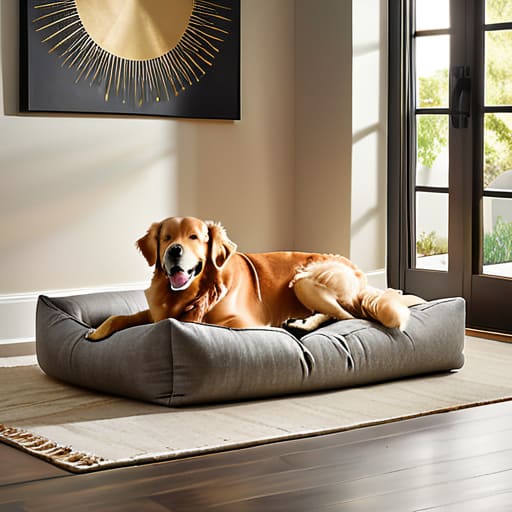
At the end of the day, pet-proofing your space isn’t about creating a sterile showroom or a museum-grade environment. It’s about making strategic choices—like picking out tough, high-performance fabrics and choosing flooring that won’t drive you crazy every time there’s a muddy paw print—so that your home actually functions for the people (and animals) living in it. We’ve looked at how to swap out delicate materials for things that can actually handle a bit of chaos, and the goal is always the same: minimizing the friction between your daily life and the mess that comes with having a companion.
Don’t feel like you have to tackle every single room in one weekend or empty your entire savings account to make these changes happen. Start with one small area, like the living room rug or a single armchair, and build from there. Your home should be a place where you can actually relax and hang out with your pets, not a source of constant anxiety about a stray hair or a scratch on the floor. Focus on the practical wins that give you your time back, and remember that a little bit of wear and tear is just a sign of a life well-lived.
Frequently Asked Questions
How can I keep my apartment from smelling like a dog without constantly spraying artificial scents?
Look, I’ve been there—you walk in the door and the first thing that hits you isn’t “home,” it’s “dog.” Instead of masking it with cheap sprays that just create a weird floral-canine hybrid scent, focus on the source. I swear by an enzyme cleaner for any accidents and keeping an air purifier running near their favorite sleeping spot. Also, wash their bedding weekly. It’s a little more effort upfront, but it actually fixes the problem.
Are there any specific plants I should keep out of reach to make sure they aren't toxic to my cat?
Look, I love a bit of greenery as much as the next guy, but if you’ve got a cat, you have to be careful. Avoid lilies at all costs—even a little pollen can be fatal. Lilies, sago palms, and even certain types of monsteras or philodendrons can cause some serious trouble. If you want to keep your space looking good without the stress, stick to pet-safe options like spider plants or calatheas.
What’s the best way to hide all the pet gear—like crates and food bins—so my living room doesn't look like a kennel?
Look, I get it. You love your pets, but you don’t want your living room to look like a supply warehouse. The trick is to stop treating gear like eyesores and start treating them like furniture. Swap that wire crate for a wooden end table that doubles as a den, or tuck food bins into a stylish woven basket. If you hide the clutter in plain sight, you reclaim your space without the stress.