 Home
Home
Speed Cleaning Hacks to Get Your Whole House Done…
I used to think that being an adult meant owning a specialized chemical for every square inch of my apartment, from marble counters to hardwood floors. I spent way too many Saturday mornings drowning in a sea of expensive, neon-colored sprays, thinking that the more products I bought, the better my place would look. It was a total scam. I was working for my house instead of the other way around, and I was exhausted. I realized that learning how to clean faster isn’t about buying a more expensive vacuum or a dozen different scented liquids; it’s about stripping away the fluff and focusing on the mechanics of the task.
I’m not here to sell you a lifestyle or a subscription to some high-end cleaning service. My goal is to give you the exact, pragmatic steps I use to keep my space functional without losing my entire weekend to a mop. We’re going to talk about high-impact habits and the minimal toolset you actually need to get the job done. I promise to show you how to reclaim your time so you can stop scrubbing and start actually living your life.
Table of Contents
Mastering Time Saving Cleaning Habits
The secret isn’t about scrubbing harder; it’s about changing how you move through your space. I’ve learned that the biggest drain on my time isn’t the actual cleaning, but the constant shuffling of stuff. This is where decluttering for faster cleaning becomes your best friend. If every surface is covered in mail, keys, and random gadgets, you aren’t cleaning—you’re just playing a high-stakes game of Tetris with your trash. Keep your counters clear, and the actual wiping part takes seconds instead of minutes.
Once the surfaces are clear, you need to build an efficient house cleaning routine that relies on momentum. I’m a big believer in the “top-down, left-to-right” rule. If you start by dusting the ceiling fans and end with the vacuuming, you aren’t wasting time re-cleaning spots where dust just fell. Pair this with a few cleaning productivity hacks, like keeping a microfiber cloth and a multipurpose spray in every room. If you have to walk back to the kitchen every time you see a smudge, you’ve already lost the battle against the clock.
Essential Cleaning Supplies for Speed
Look, you don’t need a chemistry degree or a cabinet full of twenty different neon-colored liquids to get the job done. In fact, having too much gear is actually a barrier to efficiency; you spend more time hunting for the right spray than actually scrubbing. I’ve learned through trial and error that the best cleaning supplies for speed are the ones you can grab and use instantly. I stick to a high-quality all-purpose cleaner, a dedicated glass spray, and a solid microfiber cloth. If you have those three, you can tackle 90% of your apartment without breaking a sweat or a budget.
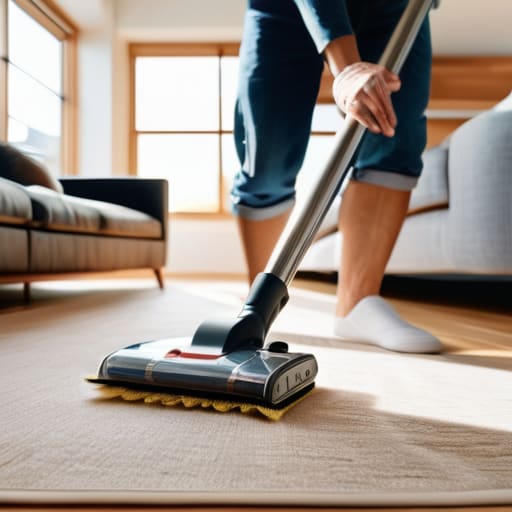
The real secret to an efficient house cleaning routine isn’t the brand of soap you use, but the tools that reduce friction. I always keep a small caddy or even just a dedicated bucket with my essentials so I can move from room to room without backtracking. If you’re constantly running back to the under-sink cabinet to grab a sponge, you’re bleeding time. Invest in a decent cordless vacuum and a few high-quality microfiber towels; they are the ultimate cleaning productivity hacks for anyone trying to reclaim their weekend.
Five Tactical Moves to Cut Your Cleaning Time in Half
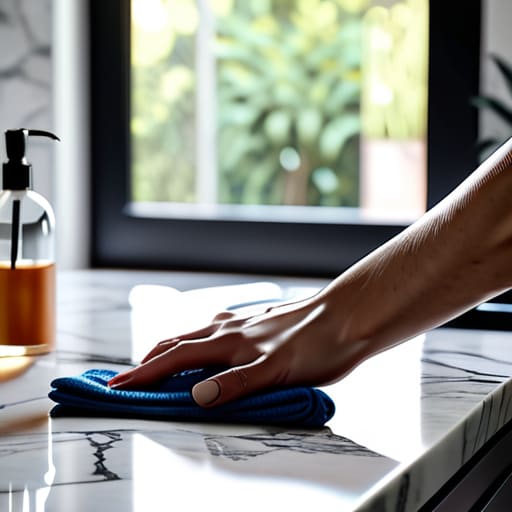
- Stop the “room-to-room” shuffle. When you jump from the kitchen to the bathroom and back again, you waste half your energy just moving between zones. Instead, pick a task—like dusting or wiping surfaces—and do that specific task across the entire apartment in one go. It keeps your brain in the zone and keeps your hands moving.
- Work from top to bottom, every single time. I learned this the hard way when I spent an hour cleaning my floors only to watch dust from the ceiling fan settle right back on top of them. Start with the high shelves and light fixtures, and let the debris fall to the floor. You only have to sweep once at the very end.
- Use the “clean as you go” rule for your kitchen. If I’m waiting for water to boil or a pan to heat up, I’m not just standing there scrolling on my phone; I’m loading the dishwasher or wiping down the counters. If you tackle the small messes while you’re already in the kitchen, you won’t face a mountain of grime after dinner.
- Keep a “cleaning caddy” within arm’s reach. There is nothing that kills my momentum faster than realizing I need glass cleaner and having to trek back to the utility closet. Keep your essential sprays and cloths in a small portable bin so you can grab it and move through your space without constant interruptions.
- Set a timer and treat it like a sprint. If the idea of “cleaning the house” feels overwhelming, tell yourself you’re only going to work for 15 minutes. Usually, once I get that timer running, the friction of starting disappears, and I end up getting more done than I planned because I’m focused on beating the clock.
The Bottom Line
Stop aiming for perfection; aim for “done” so you can stop scrubbing and start living.
Invest in the right tools once so you aren’t fighting your equipment every single weekend.
Build small, repeatable habits into your daily routine to prevent the massive, soul-crushing deep cleans.
The Philosophy of Speed
“Cleaning shouldn’t be a marathon you run every weekend; it should be a series of quick, tactical strikes that keep your space functional without stealing your free time.”
Julian Reese Miller
Reclaiming Your Time
Look, cleaning shouldn’t be an all-day marathon that leaves you feeling drained before your weekend even starts. We’ve covered a lot here—from building those small, habitual wins to streamlining your kit so you aren’t hunting for a specific spray while the clock is ticking. The goal isn’t to become a professional housekeeper; it’s about using the right systems to stop the chaos before it starts. When you stop working harder and start working smarter, you realize that most of these tasks don’t need a deep dive—they just need a consistent, efficient approach.
At the end of the day, I don’t care how shiny your baseboards are if you’re too exhausted to actually enjoy your home. The real win here isn’t a spotless apartment; it’s the extra two hours you just bought back for yourself. Whether you use that time to tinker with your gear, cook a decent meal, or just sit on the couch without feeling guilty, that is the entire point. Don’t let your chores become your identity. Set your timer, execute the plan, and then get back to living your life.
Frequently Asked Questions
Does having more specialized cleaning gadgets actually save time, or is it just more stuff to store?
Look, I’m a minimalist by choice, so I get the skepticism. Most specialized gadgets are just clutter disguised as “efficiency.” If a tool only does one niche thing and takes ten minutes to set up, it’s a trap. However, a high-quality cordless vacuum or a decent steam mop? Those are game-changers. My rule is simple: if the tool doesn’t shave significant time off a recurring chore, leave it on the shelf. Keep it lean.
How do I keep from getting overwhelmed and stuck on one small task when I'm trying to move quickly?
Look, I’ve been there—staring at a single scuff mark on a baseboard for twenty minutes while the rest of the apartment falls apart. When you feel that spiral starting, use the “Touch It Once” rule or set a hard timer. If a task takes more than two minutes, flag it, move on, and come back later. Don’t let perfectionism hijack your momentum. The goal is a functional home, not a museum. Keep moving.
Can I really clean effectively if I'm only doing it in short, 15-minute bursts throughout the week?
Absolutely. In fact, I’d argue it’s actually better. When I try to tackle a “deep clean” on a Saturday, I end up burnt out and resentful of my own apartment. Those 15-minute sprints prevent the chaos from snowballing. If you tackle one specific zone—like the kitchen counters or just the bathroom sink—each day, you’re essentially outrunning the mess. It’s about maintaining momentum rather than waiting for a marathon you don’t have time to run.