 Home
Home
Simple Ways to Boost the Air Quality in Your…
I remember sitting in my first tiny city apartment, staring at a massive, $500 air purifier that looked more like a piece of sci-fi set decor than a tool. It was humming loudly in the corner, yet I still woke up every morning with a scratchy throat and that unmistakable, heavy feeling of stale air. It turns out, most of the “expert” advice on how to improve indoor air quality is just a way to get you to spend a fortune on gadgets you don’t actually need. We’ve been sold this idea that you need a high-tech laboratory setup just to breathe cleanly in your own living room, and frankly, it’s exhausting.
I’m not here to sell you a subscription to a premium filter brand or a smart device that pings your phone every time a dust mote floats by. My goal is to strip away the marketing fluff and give you the actual, functional steps to clear out the junk and refresh your space. We’re going to focus on high-impact, low-cost habits and simple fixes that work. I promise to give you the exact methods I use to keep my own home breathing easy, so you can stop worrying about the air and get back to living.
Table of Contents
Identifying Common Indoor Air Pollutants Without the Stress

You don’t need a lab coat or a high-tech sensor to figure out what’s messing with your air. Most of the time, the culprits are hiding in plain sight. I usually start by looking at the obvious stuff: pet dander, dust buildup, or that lingering smell of last night’s takeout. If you notice you’re sneezing more often when you’re sitting on the couch, you’re likely dealing with common indoor air pollutants like dust mites or pollen that have found a home in your upholstery.
It’s also worth paying attention to how your space feels. For instance, if your bathroom feels perpetually damp or you notice a musty scent in the corners of the room, you’re seeing the direct impact of humidity on air quality. High moisture levels are basically an open invitation for mold to move in. Instead of panicking, just take a second to scan your space for these subtle cues. Identifying the source is half the battle, and it’s much easier to fix a problem once you actually know what you’re looking at.
The Real Hepa Air Purifier Benefits for Busy People
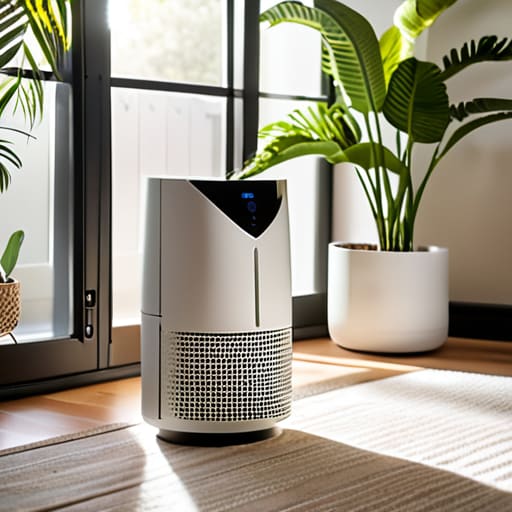
Look, I get it. You’re busy, and the last thing you want to do is spend your weekend researching complex HVAC systems or obsessing over sensor readings. This is where a decent HEPA air purifier actually earns its keep. Instead of trying to manage every single dust bunny or pet hair manually, a purifier acts like a silent, automated assistant for your lungs. The primary HEPA air purifier benefits boil down to one thing: efficiency. It captures those microscopic particles that your eyes can’t see but your sinuses definitely feel, doing the heavy lifting while you focus on your actual life.
I’ve found that for most of us living in apartments or busy suburban homes, reducing household allergens is the biggest win. You aren’t just clearing out the visible dust; you’re stripping away the invisible stuff—pollen, dander, and smoke—that settles into your furniture and carpets. It’s not about achieving laboratory-grade sterility; it’s about creating a baseline of comfort so you aren’t waking up with a scratchy throat every single morning. It’s a set-it-and-forget-it solution for people who want clean air without the constant maintenance.
5 Low-Effort Ways to Refresh Your Space
- Open your windows for just ten minutes a day. I know, it sounds counterintuitive if it’s cold or pollen is high, but a quick cross-breeze is the fastest way to flush out stagnant air and CO2 without spending a dime.
- Stop treating your vacuum like a suggestion. If you’ve got pets or high-traffic rugs, vacuuming twice a week—specifically using a model with a HEPA filter—keeps dust from getting kicked back up into your breathing zone every time you walk across the room.
- Manage your humidity like a pro. Aim for that 30-50% sweet spot. Too much moisture and you’re inviting mold; too little and your throat feels like sandpaper. A simple, cheap hygrometer will tell you exactly where you stand so you aren’t guessing.
- Ditch the “scent” habit. I used to love those plug-in air fresheners, but they’re basically just a cocktail of VOCs. If you want your place to smell good, stick to natural options or just focus on cleaning the source of the odor instead of masking it.
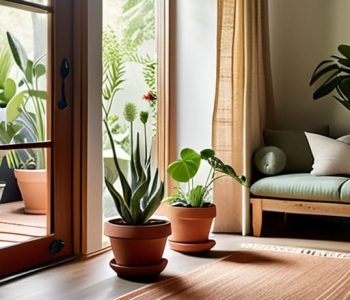
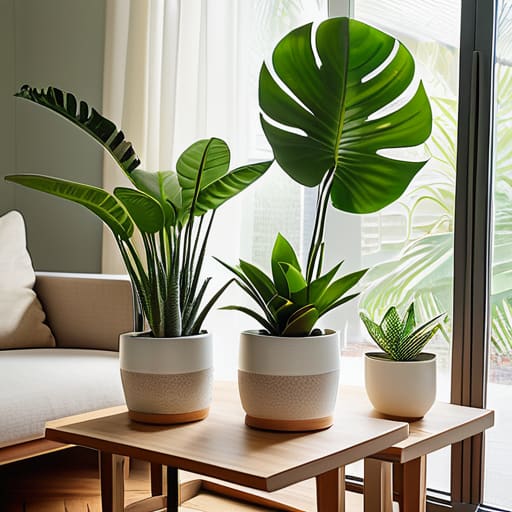
- Give your plants some credit, but don’t rely on them entirely. While a snake plant or a peace lily looks great and helps a tiny bit, they aren’t a substitute for actual ventilation. Use them as a bonus, not your primary air filtration system.
The Bottom Line: Breathe Easier, Spend Less
You don’t need a high-tech lab to find the culprits; just keep an eye on your cleaning products, pet dander, and where you’re letting air stagnate.
Investing in a solid HEPA purifier isn’t a luxury—it’s a practical way to cut down on dust and allergens so you aren’t spending your weekends sneezing.
Improving your air isn’t about a total home overhaul; it’s about making a few small, smart adjustments that actually stick.
## Why It Matters
“We spend most of our lives indoors, so your home shouldn’t feel like a place where you’re just holding your breath; improving your air isn’t about buying every gadget on the market, it’s about making your space actually work for you.”
Julian Reese Miller
Making It Stick
At the end of the day, improving your air quality isn’t about turning your apartment into a sterile laboratory or spending a fortune on high-tech gadgets. It’s about the small, manageable shifts—identifying those sneaky pollutants, getting a solid HEPA filter running, and actually remembering to crack a window once in a while. You don’t need to tackle everything at once to see a difference. Just pick one or two of these methods, integrate them into your routine, and let the environment work for you rather than against you. It’s about being smart with your time and your space so you aren’t constantly fighting an invisible battle against dust and stale air.
We spend so much of our lives indoors that our environment dictates our energy levels more than we realize. Taking control of your air is a way of reclaiming your headspace and your health without it becoming a massive project on your to-do list. You’ve got enough on your plate; don’t let your home become another source of stress. Get these basics sorted, clear the air, and then get back to the things that actually matter. You’ve got this.
Frequently Asked Questions
Do I actually need an expensive air purifier, or can I just open the windows and call it a day?
Look, I get the temptation to just crack a window and call it a day—it’s free and takes zero effort. If you live in a rural area with clean air, that might actually work. But if you’re in the city or dealing with seasonal allergies, opening the window is just inviting more pollutants inside. You don’t need a thousand-dollar machine, but a decent, mid-range purifier is worth the investment to actually keep the air clean.
Are those scented candles and essential oil diffusers actually making my air worse?
Here’s the short answer: probably, yes. I love a good scent as much as anyone, but those candles and diffusers are essentially just adding particles to the air you’re trying to clean. Most cheap candles release soot and VOCs, while diffusers can create a fine mist that lingers. If you want the vibe without the junk, stick to high-quality beeswax or just crack a window for five minutes. Keep it simple.
How often do I really need to change my HVAC filters to see a difference?
Look, I’m all for efficiency, but don’t let this become a “set it and forget it” situation. If you’ve got pets or live somewhere dusty, swap that filter every 60 to 90 days. If you’re using those cheap fiberglass ones, check them monthly. I usually set a recurring calendar alert on my phone—it takes ten seconds to change, but it saves you a massive headache (and a huge repair bill) later.