 Food
Food
Realistic Healthy Recipes for Busy Lifestyles
I used to think that eating well meant spending my entire Sunday meal prepping or staring at a mountain of organic produce I couldn’t actually afford. Between managing freelance projects and trying to keep my apartment from falling apart, the last thing I have time for is a recipe that requires twelve specialized ingredients and two hours of active cooking. We’ve been conditioned to believe that nutrition has to be a full-time job, but that’s just not true. You shouldn’t have to choose between your bank account and your health, especially when you’re just trying to find some easy healthy recipes that actually fit into a chaotic weekday schedule.
I’ve spent a lot of time stripping away the fluff to find what actually works for a busy lifestyle. In this post, I’m sharing five of my go-to staples that prove you can eat well without the stress. These aren’t fancy culinary experiments; they are functional, delicious meals designed to get you fed and back to your life in record time. Here are five ways to reclaim your kitchen and your schedule.
Table of Contents
The Sheet Pan Savior
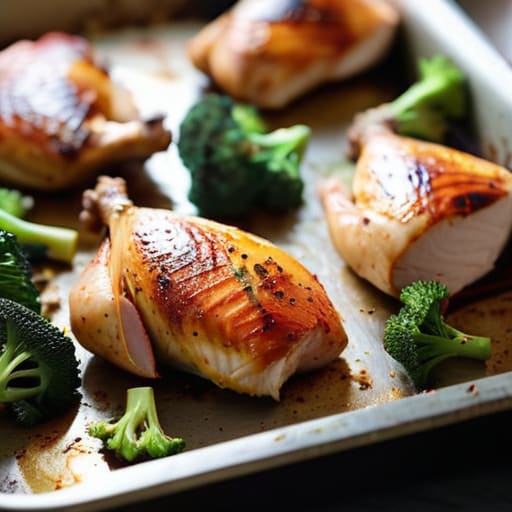
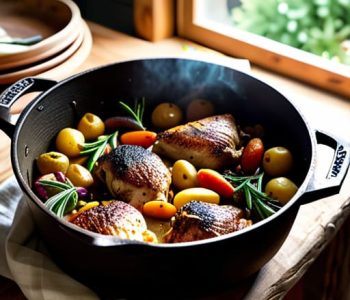
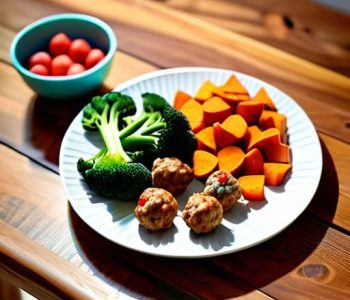
When I’m staring down a long list of freelance deadlines, the last thing I want to do is stand over a stove for forty minutes. This is where the sheet pan method becomes my best friend. You just toss some chopped chicken thighs, broccoli florets, and sweet potato chunks onto a single tray, drizzle them with olive oil and some basic seasoning, and let the oven do the heavy lifting. It’s all about minimizing the cleanup so you aren’t spending your evening scrubbing pots and pans.
One-Pot Pantry Pasta
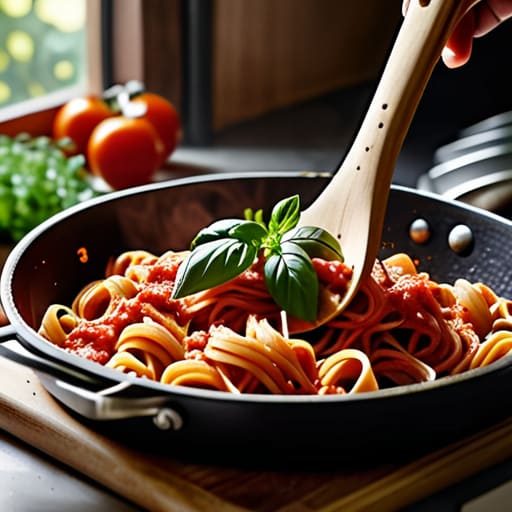
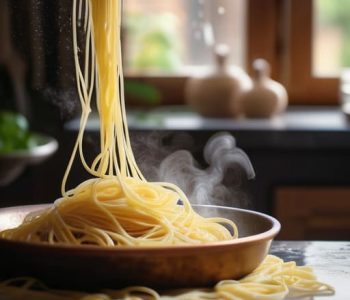
We’ve all had those days where the fridge looks like a wasteland, but your pantry is actually a goldmine if you know where to look. I like to make a quick, nutritious pasta by boiling whole grain noodles directly in a mixture of vegetable broth and a little bit of tomato paste. By cooking the pasta in the liquid, you create a natural starch base that turns the leftover water into a silky sauce without needing a ton of heavy cream or butter.
The Mason Jar Salad Hack
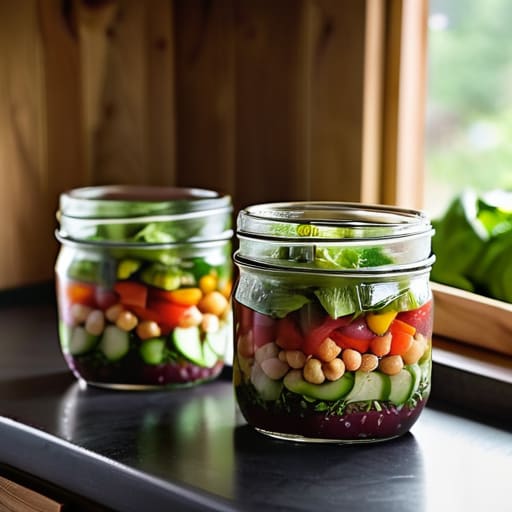
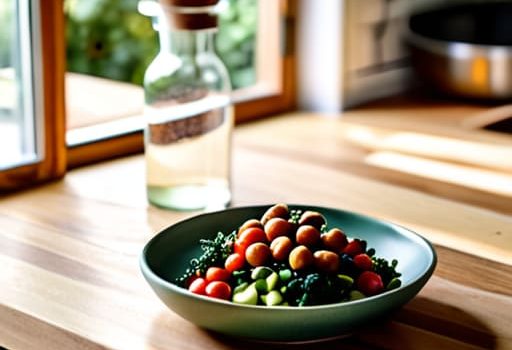
If you’re like me and tend to grab takeout because you forgot you had vegetables in the crisper drawer, you need to start prepping salads in advance. The secret is the layer order: heavy dressings go on the very bottom, followed by hearty veggies like cucumbers or chickpeas, and then your greens go on top. This prevents that dreaded soggy lettuce syndrome that makes most meal-prepped salads so unappealing.
Protein-Packed Avocado Toast 2.0
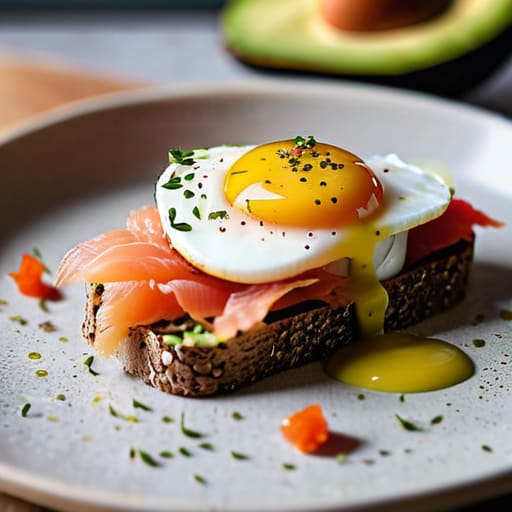
I used to think avocado toast was just a cliché for people with too much free time, but once I started treating it as a legitimate, balanced meal, it changed my breakfast game. To make it actually keep you full until lunch, you need more than just smashed fruit on bread. I always use a thick slice of sprouted grain toast and top it with a soft-boiled egg or some smoked salmon to ensure I’m getting a solid hit of protein.
The "Everything" Grain Bowl
This is my go-to strategy for when I have random leftovers scattered around the kitchen. A grain bowl is essentially a customizable framework: a base of quinoa or brown rice, a protein source, something roasted, and something raw. It’s the ultimate way to reduce food waste because it allows you to use up those half-empty containers of beans or that single leftover carrot sitting in the fridge.
The Bottom Line
Stop overcomplicating your plate; you don’t need exotic ingredients to eat well, just a few reliable staples and a bit of prep.
Focus on efficiency by choosing recipes that minimize cleanup and maximize your actual free time.
Healthy eating shouldn’t be a financial burden, so prioritize versatile, budget-friendly ingredients that work across multiple meals.
## The Philosophy of the Plate
“Eating well shouldn’t feel like another project on your to-do list. If a recipe requires twenty ingredients and three hours of prep, it’s not a meal—it’s a chore. Real nutrition is about finding the shortest path between a hungry stomach and a decent meal so you can stop worrying about the kitchen and start actually living your life.”
Julian Reese Miller
Getting Back to Living
At the end of the day, these five recipes aren’t about achieving culinary perfection or following some strict, complicated diet. They are about minimizing the friction between you and a decent meal. Whether you’re opting for the quick stir-fry when you’re drained after work or prepping those overnight oats to save time in the morning, the goal is the same: efficiency without sacrifice. You’ve seen that you don’t need a pantry full of exotic superfoods or an hour of uninterrupted prep time to fuel your body properly. All you really need is a few solid staples and the willingness to keep things simple.
I know how easy it is to let “healthy eating” become just another daunting item on your never-ending to-do list. But I promise you, once you strip away the intimidation, it becomes a tool rather than a chore. Don’t feel like you have to master all of these at once; just pick one, get it done, and see how much more mental bandwidth you reclaim when you aren’t stressing over what’s for dinner. You deserve to eat well, but you also deserve to spend your evening relaxing, not scrubbing pots. Now, go ahead and get back to living.
Frequently Asked Questions
How can I meal prep these recipes on a Sunday without spending my entire afternoon in the kitchen?
Look, I’ve been there—spending four hours over a stove on a Sunday feels like a part-time job I didn’t sign up for. The trick is “component prepping.” Instead of cooking full meals, prep the building blocks: roast a big tray of veggies, boil your grains, and prep your proteins all at once. Once those are in the fridge, assembling a fresh bowl during the week takes five minutes, not fifty. Work smarter, not longer.
Are there any specific grocery store hacks to keep the cost of these ingredients down?
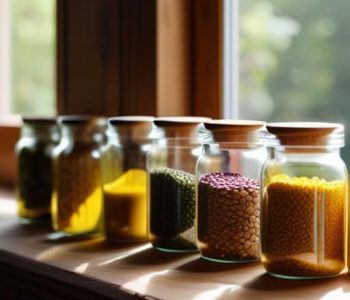
Look, I’ve spent enough time staring at grocery receipts to know that the “healthy” aisle can be a trap. First, stick to the perimeter—that’s where the real food lives. Second, buy your staples like grains and beans in bulk; it’s a game-changer for your budget. Most importantly, don’t sleep on the frozen section. Frozen veggies are just as nutritious as fresh, they don’t rot in your crisper, and they’re way cheaper.
Can I swap out some of these ingredients if I have specific dietary restrictions or just don't like certain vegetables?
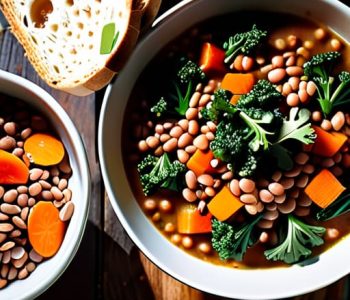
Absolutely. Look, I’m all for following a plan, but I’m not a fan of eating things just because a recipe says so. If you hate kale, swap it for spinach. If you’re avoiding gluten, use quinoa instead of couscous. The goal here is efficiency and nourishment, not rigid perfection. Use what you have in your pantry and what your body actually needs. Just keep the ratios roughly the same so the meal still works.