 Food
Pro Secrets to Seasoning Your Food Perfectly
I used to think that learning how to season food meant buying a twenty-dollar jar of “artisanal” truffle salt or memorizing a chemistry textbook full of spice profiles. I spent way too much money in my early twenties on fancy spice blends that ended up sitting in the back of my pantry, gathering dust, while my actual meals tasted like nothing. It’s a total scam to make you believe that flavor is something you can only buy in a boutique jar. Honestly, the truth is much simpler, and it definitely doesn’t require a massive budget or a culinary degree to get it right.
I’m not here to give you a lecture on flavor theory or suggest you spend your weekend foraging for rare herbs. My goal is to strip away the intimidation and give you the exact, repeatable steps you need to make your basic Tuesday night dinners actually taste good. I’ll show you how to build flavor using the stuff you already have in your kitchen so you can stop eating bland meals and get back to living.
Table of Contents
Building Your Essential Spice Pantry Staples Without Breaking the Bank
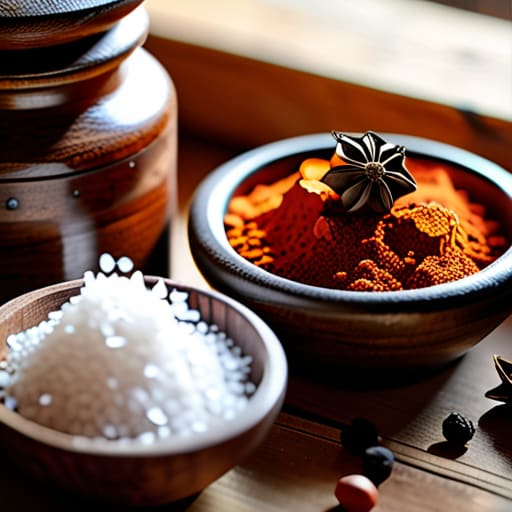
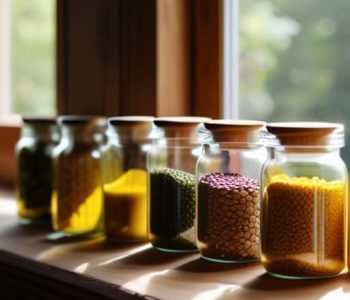
You don’t need a massive, color-coded spice rack that looks like a professional chef’s kitchen to make things taste good. Honestly, most of those pre-mixed blends are just overpriced salt. Instead, focus on building a foundation of essential spice pantry staples that actually work hard for you. Start with the heavy hitters: kosher salt, cracked black pepper, garlic powder, and maybe a decent smoked paprika. If you have those, you’re already ahead of 80% of people.
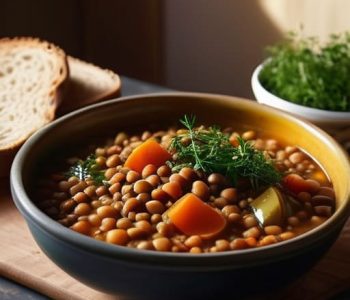
From there, it’s all about layering flavors in cooking without spending a fortune. Pick up one or two “specialty” items every few months—think cumin for tacos or dried oregano for pasta—rather than buying everything at once. This keeps your budget in check and prevents your spices from sitting in the cupboard until they lose their soul. If you want to level up quickly, keep a small bottle of red pepper flakes and some dried thyme on hand. These are versatile, cheap, and can transform a boring bowl of lentils or a basic roasted chicken in seconds.
The Art of Layering Flavors in Cooking for Maximum Impact
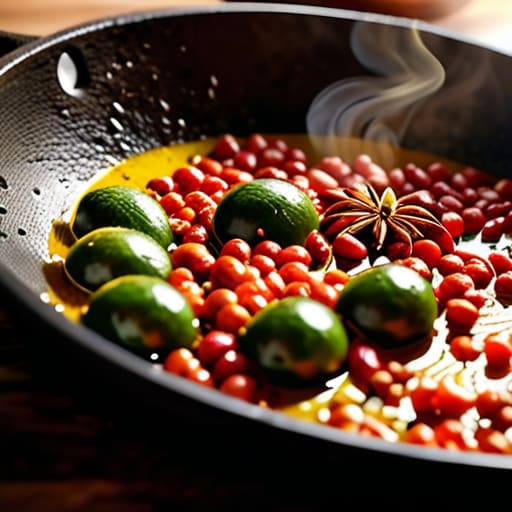
Think of flavor like building a track on one of my old synthesizers—you don’t just slam every knob to the max at once. If you do, it just sounds like noise. Layering flavors in cooking works the same way. You want to start with a base, usually something savory or aromatic, and then build upward. This is where you decide when to add seasonings. For example, blooming your spices in oil at the start of a sauté unlocks deep, earthy notes that you just can’t get by sprinkling them on top of a finished dish.
Once you’ve built that foundation, you have to look for the gaps. This is where the real magic happens: balancing salt and acid. If a dish feels “heavy” or flat, don’t just reach for more salt; try a squeeze of lemon or a splash of vinegar. The acidity cuts through the richness and brightens everything up. I also like to lean on a few umami flavor enhancers—like a dash of soy sauce or a bit of parmesan—to add that missing depth. It’s about finding that equilibrium so every bite feels intentional, not overwhelming.
5 Quick Wins to Stop Making Bland Meals
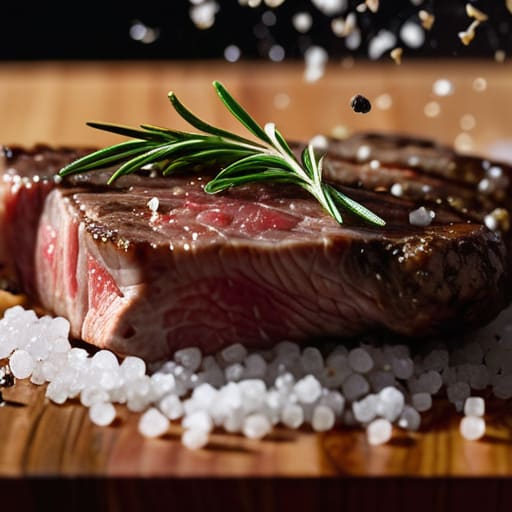
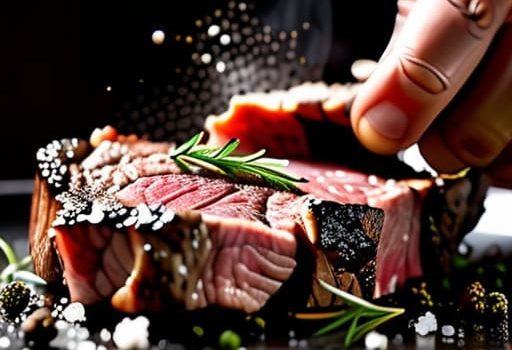
- Salt early and often. Don’t wait until the very end to dump salt on your plate; sprinkle it into the dish as you cook. This allows the seasoning to penetrate the ingredients rather than just sitting on the surface.
- Use acid to wake things up. If a dish tastes “flat” but you’ve already added enough salt, it probably needs acid. A squeeze of lemon or a splash of vinegar acts like a volume knob for flavor.
- Taste as you go. This sounds obvious, but I see people skip it all the time. You can’t know if something needs more heat or salt if you haven’t actually put a spoon to your lips.
- Don’t fear the pepper. Freshly cracked black pepper provides a different kind of depth than salt. Keep a decent grinder on the counter and use it liberally—it adds a subtle heat that rounds out the savory notes.
- Balance your heat. If you’re using spicy elements like chili flakes or hot sauce, make sure you have something to balance it out, like a bit of fat (butter or oil) or a touch of sweetness. It keeps the spice from being one-dimensional.
The Bottom Line
Don’t buy a hundred spices you’ll use once; master a few versatile staples first and build from there.
Season in layers—start early with your base ingredients and adjust at the end to make the flavors pop.
Trust your palate over the recipe; if it tastes flat, it probably just needs a pinch of salt or a hit of acid.
The Golden Rule of Flavor
Stop treating seasoning like a math problem you need to solve; it’s more like tuning a vintage synth—you just keep making small, intentional adjustments until everything finally clicks into place.
Julian Reese Miller
Stop Overthinking It and Start Tasting
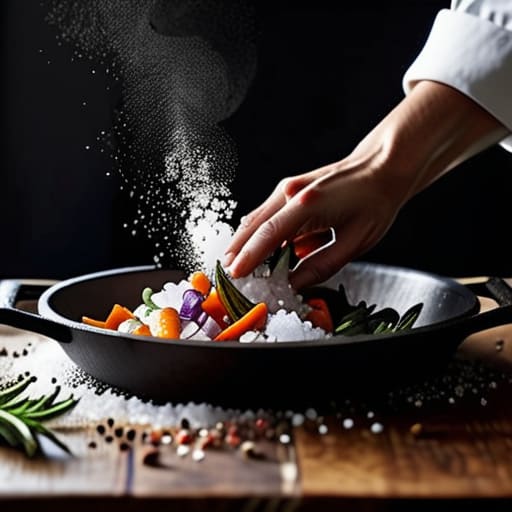
At the end of the day, seasoning isn’t some high-level chemistry experiment; it’s just about making your food taste like something. We’ve covered the essentials—from building a budget-friendly spice kit to understanding how to layer flavors so they actually hit your palate. You don’t need a hundred different jars gathering dust in your pantry to make a meal decent. If you have salt, pepper, and a few versatile aromatics, you’re already ahead of the curve. Just remember to taste as you go, adjust when something feels flat, and don’t be afraid to trust your instincts over a recipe’s strict measurements.
I used to spend way too much time worrying if I was “doing it right,” usually ending up with a meal that was either incredibly bland or a salt bomb. But once I realized that cooking is just a series of small, manageable adjustments, the stress evaporated. My advice? Stop treating your kitchen like a classroom and start treating it like a workshop. Get in there, get your hands a little messy, and make it work for you. Once you master the basics of seasoning, you stop following instructions and start actually cooking. Now, go grab a spoon and see how it tastes.
Frequently Asked Questions
How do I know if I've added too much salt without ruining the whole dish?
We’ve all been there—you take a bite and realize you went a little heavy on the shaker. Don’t panic and don’t toss the whole pot. If it’s a soup or stew, try adding a splash of acid, like lemon juice or vinegar, to balance it out. If it’s a solid dish, adding a starch—like a peeled potato in a sauce—can help absorb some of that excess. Just keep it simple and keep tasting.
Is there a difference between using dried spices versus fresh herbs when it comes to timing?
Think of it this way: dried spices are your heavy lifters, while fresh herbs are your finishing touches. Because dried spices are concentrated, they need heat and moisture to “wake up,” so toss them in early during the sauté or simmer phase. Fresh herbs, however, are delicate. If you cook them too long, they lose their brightness and turn into mush. Chop them up and stir them in right at the end.
Can I use pre-mixed seasoning blends, or is it always better to build the flavor from scratch?
Look, I’m all about efficiency, so if a pre-mixed blend saves you ten minutes on a Tuesday night, use it. There’s no shame in that. But here’s the catch: most store-bought mixes are just salt and cheap fillers. If you want real depth, building it yourself gives you total control. Use the blends as a shortcut when you’re slammed, but keep building from scratch when you actually want the food to sing.