 Home
How to Maintain a Clutter-free Home Permanently
I used to think I needed a $500 organizational system and a fleet of clear plastic bins to fix my life, but I was dead wrong. I spent years chasing those “aesthetic” minimalist trends, only to realize that buying more stuff to hold your old stuff isn’t a solution—it’s just more inventory. Most of the advice out there makes you feel like you need a professional organizer on speed dial, but the truth about how to reduce clutter for good is much more boring and a lot more practical than that. It’s not about the bins; it’s about stopping the influx and being honest about what you actually use.
I’m not here to sell you a lifestyle makeover or a mountain of expensive containers. My goal is to give you a realistic, no-nonsense framework to strip away the excess so you can actually breathe in your own home. I’ll show you the exact, repeatable steps I use to keep my own space functional without it becoming a second job. We’re going to focus on efficient, sustainable habits that work for real people with real schedules, so you can finally stop managing your mess and start living.
Table of Contents
Ditch the Decision Fatigue and Your Possessions

The real reason your junk drawer keeps overflowing isn’t a lack of storage bins; it’s the mental drain of owning too much. Every single object you own demands a tiny slice of your attention—where it lives, how to clean it, and whether you actually need it. This is the core of decision fatigue and possessions. When you’re staring at a closet full of clothes but feel like you have nothing to wear, your brain is essentially redlining from the sheer volume of choices. You aren’t lazy; you’re just cognitively exhausted by your own stuff.
To fix this, you have to embrace some serious decluttering mindset shifts. Stop asking, “Can I use this someday?” and start asking, “Does this actually serve my life right now?” I spent years hoarding random cables and half-finished DIY projects because I thought I might need them later, but all I really did was create a physical to-do list that never ends. Once you stop treating “maybe” as a valid reason to keep something, you stop the cycle of constant micro-decisions and finally start reclaiming your mental space.
Decluttering Room by Room Without the Burnout
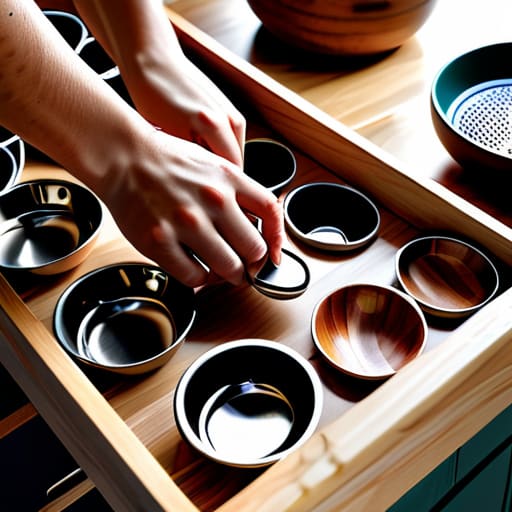
The biggest mistake I see people make is trying to tackle the entire apartment in a single weekend. That’s a one-way ticket to burnout and a pile of half-finished junk in every corner. Instead, you need to embrace a decluttering room by room strategy. Pick one small, contained area—like a single junk drawer or your bathroom cabinet—and commit to nothing more than twenty minutes. It sounds small, but it prevents that overwhelming feeling of being buried alive by your own belongings.
Once you’ve mastered the small wins, you can move on to larger zones like the kitchen or the bedroom. The trick is to focus on one category at a time rather than trying to “clean the room.” If you’re in the pantry, stay in the pantry. This approach helps you build sustainable minimalist lifestyle habits rather than just performing a frantic, one-time purge. By treating each space as its own project, you keep your momentum high and your stress levels low, ensuring you actually finish what you started.
Five Rules to Keep the Chaos from Crawling Back In
- The One-In, One-Out Rule: This is my non-negotiable. If you bring a new gadget or a new sweater into your apartment, something old has to leave. It forces you to actually consider if that new purchase is worth the space it’s going to steal from your living room.
- Stop Using “Just in Case” as an Excuse: We all do it. We keep that tangled mess of cables or that weird kitchen gadget “just in case” we need it one day. Newsflash: if you haven’t touched it in a year, you aren’t going to. Let it go.
- Give Every Object a Permanent Home: Clutter is usually just stuff that doesn’t have a designated spot. If your keys, mail, and charging cables don’t have a specific “home” to return to, they’re going to end up migrating across your kitchen counters.
- The Five-Minute Reset: Before I head to bed or leave for work, I do a quick sweep. I don’t call it cleaning; I call it resetting. It’s just five minutes of putting things back where they belong so I don’t wake up to a mess that drains my energy before the day even starts.
- Invest in Function, Not Just Aesthetics: When you’re buying things, ask yourself if it actually serves a purpose or if it’s just “decor.” In a small space, every item needs to earn its keep. If it doesn’t work hard, it’s just taking up mental real estate.
The Bottom Line: Keep Your Space, Not Your Stuff
Stop treating decluttering like a marathon; focus on small, sustainable wins that don’t leave you staring at a mountain of trash and feeling defeated.
If an item doesn’t serve a clear purpose or bring you actual utility, it’s just a physical weight slowing you down—get rid of it.
Maintenance is easier than a massive overhaul, so build small, daily habits to keep the clutter from creeping back into your life.
The Real Cost of Keeping Everything
“Clutter isn’t just stuff taking up space on your shelves; it’s mental noise that keeps you from actually being present. You don’t need more storage solutions—you need the courage to decide that your time and peace of mind are worth more than the things you’re holding onto.”
Julian Reese Miller
The Finish Line is Just the Beginning
Look, we’ve covered a lot of ground, from tackling the decision fatigue that keeps you paralyzed in front of a junk drawer to the room-by-room strategy that keeps you from burning out by Tuesday night. The goal here wasn’t to turn you into a minimalist monk or to make you throw away every single thing you own. It was about stripping away the excess so you can actually function. Remember: decluttering isn’t a one-time event like a spring cleaning ritual; it’s about setting up systems—whether that’s a dedicated spot for your multi-tool or a strict “one in, one out” rule for your kitchen gadgets—that work for you instead of against you.
At the end of the day, your home should be a place where you recharge, not a warehouse for things you’re too busy to use. Don’t get caught up in trying to achieve some impossible, Instagram-perfect level of tidiness. Just focus on clearing enough space to breathe and move freely. You’ve done the hard work of breaking the cycle, and now you get to enjoy the payoff: more time, less stress, and a space that actually feels like yours. Now, close the laptop, put the boxes in the car, and go live your life.
Frequently Asked Questions
What do I actually do with all the stuff I decide to get rid of so it doesn't just end up in a landfill?
Look, if you just shove everything into a black trash bag, you haven’t decluttered—you’ve just moved the problem. To do this right, categorize your “out” pile immediately. Sell high-value items on Marketplace, donate the decent stuff to local shelters, and find a specialized recycling center for electronics or textiles. If it’s broken beyond repair, at least ensure it’s stripped of parts that can be reused. Let’s be efficient about being responsible.
How do I stop the clutter from creeping back in once I've finally finished cleaning everything up?
The trick isn’t about cleaning more; it’s about stopping the inflow. I treat my home like a project budget—if you keep spending without checking your balance, you’re going to go broke. Start using a “one-in, one-out” rule. If a new gadget or shirt comes in, an old one has to go. Also, stop letting “temporary” piles become permanent residents. If it doesn’t have a designated home, it doesn’t belong on your counter.
I feel guilty getting rid of things that were expensive or given to me as gifts; how do I get past that?
Look, I get it. I still have a dusty, vintage synth in my studio that I barely touch, just because it was a “meaningful” gift. But here’s the reality: an object’s value isn’t tied to its price tag or the person who gave it to you. If it’s just sitting there taking up mental space and causing guilt, it’s actually costing you more than you paid for it. Let it go.