 DIY
Easy Wood Pallet Projects for Your Next Weekend
I used to think that having a “handy” home meant owning a garage full of power tools and spending every Saturday covered in sawdust. But honestly? Most of the time, we’re just looking for ways to make our spaces feel a bit more intentional without draining our bank accounts. I stumbled upon a stack of discarded shipping pallets outside my apartment building a few months back, and instead of seeing junk, I saw potential. If you’ve been scrolling through endless DIY tutorials feeling overwhelmed by the complexity, you’re in the right place. I’ve narrowed down the best pallet project ideas to the ones that actually offer a high return on effort, focusing on things that look good and, more importantly, actually work.
In this post, I’m stripping away the fluff and giving you five straightforward projects that anyone can tackle. We aren’t talking about massive construction jobs here; we’re talking about functional upgrades that fit into a busy schedule. From clever storage solutions to simple outdoor seating, these five ideas will show you exactly how to turn free materials into something useful for your home. Let’s get to work so you can get back to living.
Table of Contents
The Low-Maintenance Vertical Garden
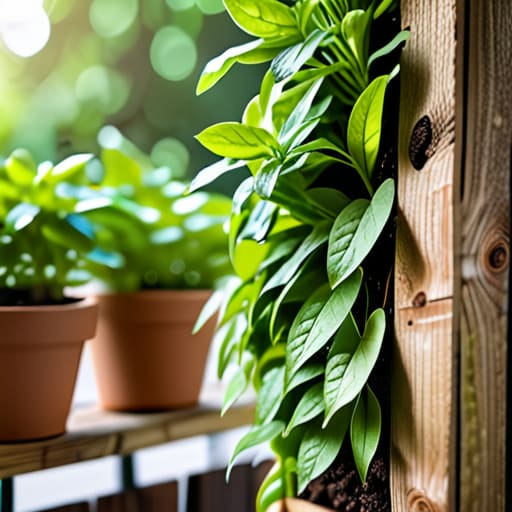
If you’re living in a small apartment or just don’t have a massive backyard, you don’t need a professional landscaping crew to grow some greens. I started using a single pallet to create a vertical herb garden on my balcony, and it’s been a total game-changer for my cooking. You basically just staple some landscape fabric to the back and bottom of the pallet to create pockets, fill them with soil, and tuck in your basil, mint, or rosemary.
A Rugged Entryway Bench
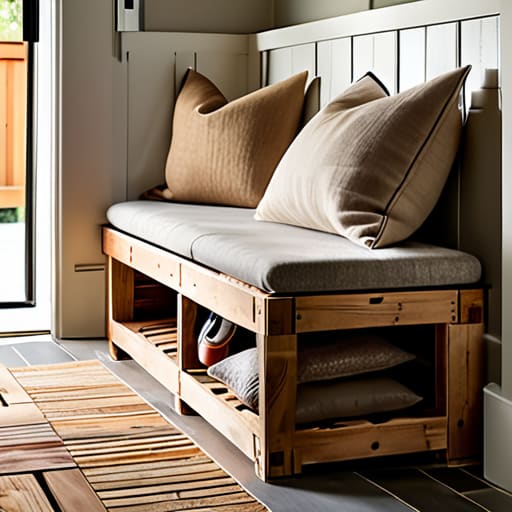
Most entryway furniture is either incredibly expensive or looks like it was made of cardboard. I’ve found that a sturdy, sanded-down pallet can serve as a heavy-duty bench that actually holds up to daily use. You just need to strip the old nails, sand the wood down so you aren’t getting splinters every time you sit, and maybe add a few cheap outdoor cushions to make it comfortable.
The Ultimate Coffee Station
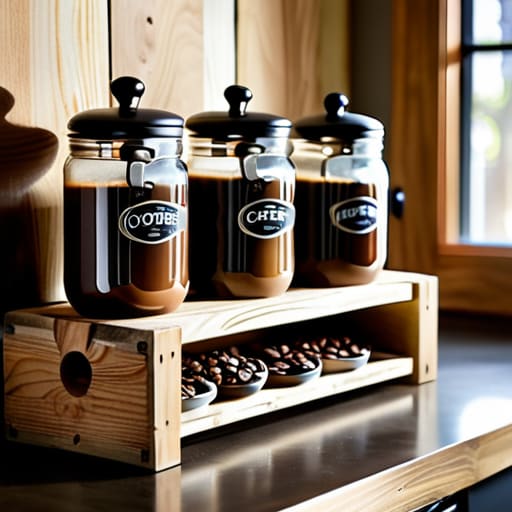
If your kitchen counters are currently a chaotic mess of mugs and coffee pods, you need a dedicated station. I took an old pallet, sanded it smooth, and mounted it to the wall to act as a floating organizer for my brewing setup. You can screw in small hooks for your favorite mugs or even attach a few shallow crates to hold your beans and sugar.
Rustic Wall-Mounted Wine Rack
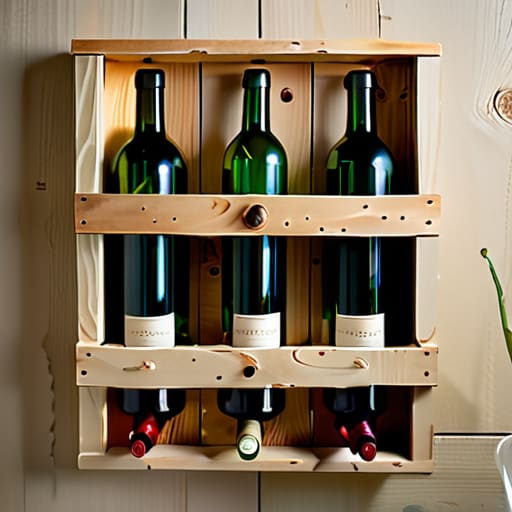
You don’t need a custom-built wine cellar to enjoy a decent bottle at the end of a long week. I once spent a Saturday afternoon turning a small section of a pallet into a compact wine rack that hangs right on the wall. By cutting out specific rectangular sections or simply using the gaps between the slats, you can create enough space to hold several bottles securely.
The Backyard Beverage Cooler
When you’re hosting people outside, the last thing you want to do is run back and forth to the kitchen every time someone needs a cold drink. I built a simple outdoor drink station using two pallets leaned against each other in a crate formation. You can line the bottom with a heavy-duty plastic tub, fill it with ice, and suddenly you have a rugged, functional cooler that stays right where the action is.
The Bottom Line
Don’t let a lack of professional tools stop you; if you have a hammer, a drill, and some sandpaper, you’re already halfway there.
Always prioritize function over aesthetics—a pallet planter is only useful if it actually holds dirt and stays sturdy.
Start small with one project to get a feel for the wood texture and weight before you try to build something massive like a sofa.
The Philosophy of Upcycling
“Don’t get hung up on finding the ‘perfect’ piece of furniture. A pallet isn’t just scrap wood; it’s a low-stakes way to practice being handy without the fear of ruining something expensive.”
Julian Reese Miller
Stop Overthinking and Start Building
At the end of the day, whether you’re building a vertical herb garden for your balcony or a rustic coffee table for your living room, the goal is the same: creating something functional without breaking the bank. We’ve looked at how a few basic tools and some reclaimed wood can solve real problems in your space, from organization to seating. You don’t need a workshop full of professional-grade power tools to see results; you just need to embrace the process and follow the steps. The beauty of working with pallets is that they aren’t precious. If a measurement is slightly off or a screw goes in crooked, it just adds to that lived-in, character-filled look that you can’t buy at a big-box furniture store.
My best advice is to just start small. Don’t feel like you have to overhaul your entire apartment or backyard in a single weekend. Pick one project from this list—the one that actually solves a problem you’re facing right now—and get it done. There is a specific kind of satisfaction that comes from looking at a piece of furniture and knowing you built it with your own two hands. It strips away that feeling of being overwhelmed by “adulting” and replaces it with a sense of genuine capability. So, grab that multi-tool, find some wood, and make it happen.
Frequently Asked Questions
How do I make sure the wood I'm using isn't treated with toxic chemicals?
Look for a stamp on the side of the pallet. You’re looking for the “HT” mark, which means it was heat-treated—that’s safe. Avoid anything marked “MB,” which stands for Methyl Bromide, a nasty pesticide. If there are no stamps at all, or if the wood looks oily or smells chemically, leave it alone. I’d rather spend an extra ten minutes hunting for a clean pallet than bring toxins into my living room.
What's the easiest way to sand these down without spending hours on it?
Look, I get it. Sanding is the part where most people lose steam and give up. If you want to save your wrists and your weekend, don’t try to do it all by hand. Grab an orbital sander—even a cheap one from a big-box store works—and let the machine do the heavy lifting. Start with an 80-grit to knock down the rough bits, then switch to 120. It’s about efficiency, not perfection.
Do I really need a power drill for these, or can I get away with just a screwdriver and some basic tools?
Look, I’ll be straight with you: you can definitely get by with a manual screwdriver, but it’s going to be a workout. If you’re just putting together something small, like a planter, go for it. But if you’re driving long screws into dense pallet wood, your wrist is going to feel it by the end. If you can swing it, a basic cordless drill is the best investment you’ll make for your sanity.