 Food
Food
A Beginner’s Guide to Weekly Meal Prepping
I used to think that learning how to meal prep meant spending my entire Sunday afternoon hunched over a kitchen island, surrounded by twenty identical Tupperware containers and enough kale to feed a small village. I’d look at those “aesthetic” meal prep influencers—the ones with the perfectly color-coded salads and the $200 grocery hauls—and feel like I was failing at adulthood before the work week even started. It’s a total myth that you need a culinary degree or a massive budget to stay fed; honestly, that kind of performative cooking is exactly what makes people quit after one week.
I’m not here to sell you on a lifestyle overhaul or a complicated system that takes more time than it saves. My goal is to show you how to strip away the fluff and focus on functional efficiency. I’m going to give you the exact, no-nonsense steps I use to get my food ready so I can actually reclaim my evenings. We’re going to focus on simple, repeatable methods that work for a real budget and a busy schedule, ensuring you spend less time staring at an empty fridge and more time actually living your life.
Table of Contents
- Smart Batch Cooking Strategies That Save Your Sanity
- Healthy Meal Planning Tips Without the Expensive Grocery Bill
- Five Low-Effort Hacks to Keep Your Prep From Spiraling
- The Bottom Line: How to Make This Work for You
- The Real Goal of Meal Prepping
- Getting Back to What Matters
- Frequently Asked Questions
Smart Batch Cooking Strategies That Save Your Sanity
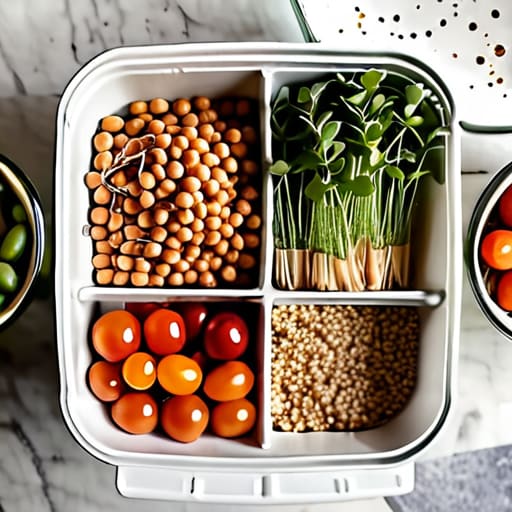
The biggest mistake I see people make is trying to cook ten different recipes on a Sunday. That’s not efficiency; that’s a recipe for burnout. Instead, I swear by batch cooking strategies that focus on “component cooking.” Instead of making full meals, cook large quantities of versatile bases: a big pot of quinoa, a tray of roasted sweet potatoes, and a couple of different proteins like shredded chicken or seasoned chickpeas. When you have these building blocks ready, you can assemble a different bowl every night in under five minutes.
To keep things from getting messy or stale, you need to invest in decent meal prep containers for storage. I’ve learned the hard way that cheap, flimsy plastic lids are a nightmare for organization. Get a set of glass or high-quality BPA-free containers that actually seal. This allows you to portion out your components immediately, keeping your fridge organized and your ingredients fresh. It turns your kitchen from a chaotic workspace into a streamlined system, letting you grab what you need and get on with your life.
Healthy Meal Planning Tips Without the Expensive Grocery Bill
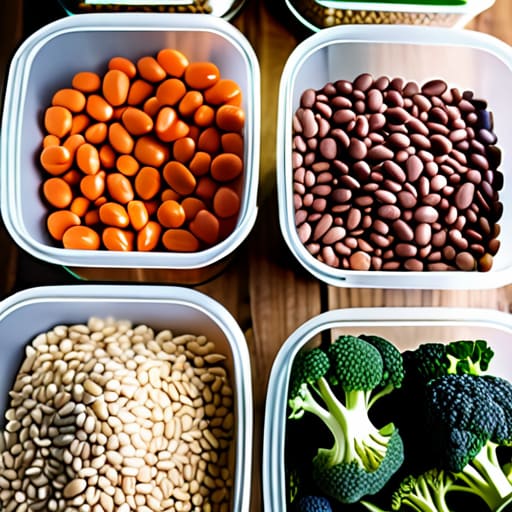
The biggest lie we’re told is that eating well has to be expensive. I used to think that unless I was buying organic kale and fancy quinoa, I wasn’t doing “healthy” right. But after years of living on a freelance budget, I’ve learned that budget friendly meal prep is actually about strategy, not luxury ingredients. Start by looking at what’s already in your pantry before you even touch a grocery app. Building your meals around staples like lentils, rice, or frozen vegetables keeps the costs down while ensuring you aren’t wasting money on things that will just rot in the crisper drawer.
When you do head to the store, stop shopping with a “wish list” and start shopping with a plan. I find that picking two proteins and three versatile vegetables for the week is the sweet spot. This prevents that mid-week panic where you end up ordering takeout because you have nothing to cook. To keep things organized, invest in a few decent meal prep containers for storage; having everything portioned out and ready to grab makes it much harder to make a poor, expensive food choice when you’re tired after work.
Five Low-Effort Hacks to Keep Your Prep From Spiraling
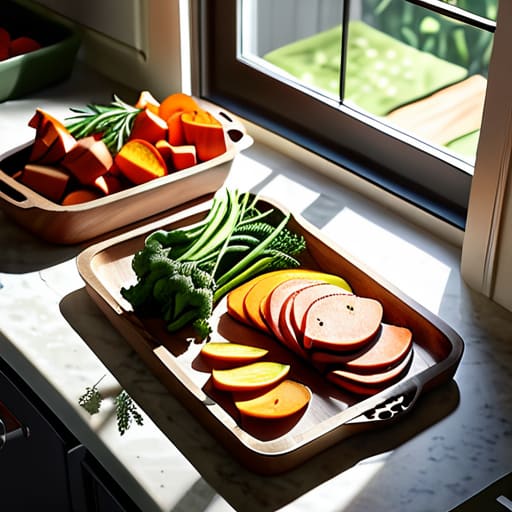
- Don’t try to cook five different recipes in one afternoon. Pick two proteins, one grain, and a couple of versatile veggies. Mix and match them throughout the week so you aren’t staring at the exact same flavor profile every single night.
- Invest in decent, airtight containers. I learned this the hard way when my “efficient” prep turned into a soggy mess by Wednesday. If your food stays crisp, you’ll actually want to eat it.
- Use your oven’s real estate. Instead of standing over a stove for an hour, throw your chicken on one sheet pan and your roasted sweet potatoes on another. It’s passive cooking, which means you can actually sit down and read or catch up on emails while it happens.
- Prep your “bridge ingredients” rather than full meals. Sometimes, just having washed greens, chopped onions, and cooked quinoa ready to go is enough to turn a 30-minute cooking session into a 10-minute one.
- Embrace the freezer. If you realize you’ve made too much of a batch of chili or soup, don’t let it go to waste. Portion it out into individual containers and freeze them. That’s your “emergency meal” for the next time life gets chaotic.
The Bottom Line: How to Make This Work for You
Stop aiming for perfection; just focus on prepping enough components to make your weekday assembly faster and less stressful.
Shop your pantry first to save money and prevent waste before you even step foot in the grocery store.
Build a system that serves your schedule, not a rigid set of rules that makes you feel like you’re working a second shift.
The Real Goal of Meal Prepping
“Meal prepping isn’t about turning your kitchen into a factory or spending your entire Sunday in a plastic apron; it’s about making a few smart moves on Sunday so you aren’t staring blankly at a fridge on Wednesday night when you’re exhausted.”
Julian Reese Miller
Getting Back to What Matters
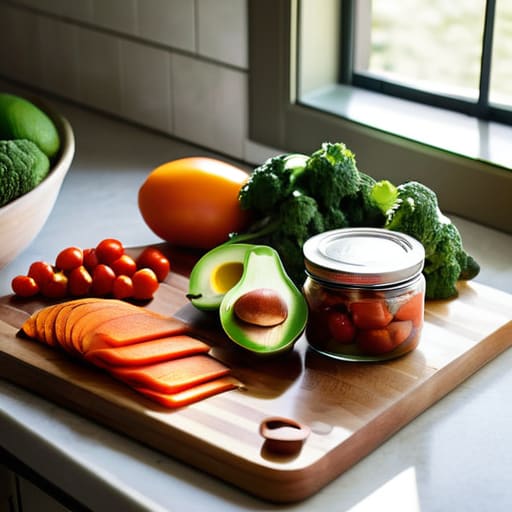
At the end of the day, meal prepping isn’t about achieving some impossible standard of domestic perfection or spending your entire Sunday hovering over a stove. It’s about the systems we discussed: batch cooking smart components, planning around what’s actually on sale, and refusing to let a lack of direction turn your kitchen into a source of stress. When you stop treating every single dinner like a brand-new logistical puzzle, you reclaim a massive amount of mental bandwidth. You’ve learned how to work smarter, not harder, by building a foundation that supports your schedule rather than dictating it.
My advice? Don’t try to overhaul your entire life by Monday morning. Start small—maybe just prep one protein or one versatile grain—and see how much weight that lifts off your shoulders. The goal isn’t to become a professional chef; it’s to become someone who is efficiently capable so you can actually enjoy your downtime. Once you have these basics down, you’ll realize that being prepared isn’t a chore—it’s a tool that gives you your time back. Now, go close the kitchen and go do something you actually enjoy.
Frequently Asked Questions
I don't have much counter space in my apartment; how can I meal prep without turning my kitchen into a disaster zone?
Small kitchens are my specialty—I learned the hard way in a studio apartment where the toaster and the cutting board fought for the same square inch. The trick is to prep in “waves” rather than all at once. Don’t try to chop everything simultaneously. Clean as you go, and use a single large sheet pan for roasting to minimize dish clutter. If you can’t clear the counter, prep your ingredients in small bowls and tuck them in the fridge immediately.
How do I keep things from getting boring or tasting like cardboard by Thursday?
The “cardboard effect” usually happens because you’re prepping too much of the same flavor profile. My rule: prep components, not finished meals. Instead of making five identical chicken bowls, roast a big batch of seasoned chicken, a tray of versatile veggies, and a pot of grains. By Thursday, you can pivot. Use different sauces—pesto one day, sriracha the next—or toss them into a wrap. Keep the textures varied, and you’ll actually look forward to eating.
Is it actually worth the time to prep everything on Sunday, or should I just cook in smaller batches throughout the week?
Honestly? It depends on your rhythm, but don’t feel pressured to spend your entire Sunday in the kitchen. For me, the “all-or-nothing” Sunday marathon is usually a recipe for burnout. I prefer a hybrid approach: prep your versatile building blocks—like a big batch of grains, roasted veggies, or a protein—on Sunday. Then, just do quick, small-batch assembly during the week. It gives you the efficiency of prep without the soul-crushing workload.