 Food
How to Balance Your Plates Without Counting Calories
I used to spend way too much time staring at grocery store aisles, feeling like I needed a PhD in nutrition just to figure out what to put on my plate. Between the expensive “superfood” marketing and the endless, conflicting advice on social media, the whole concept of healthy eating felt like a full-time job I didn’t sign up for. Honestly, most of the “expert” advice out there is just a way to make you feel like you’re failing if you aren’t buying organic dragon fruit or spending three hours meal prepping. But here’s the truth: learning how to build a balanced meal shouldn’t be a complex puzzle or a massive drain on your bank account.
I’m not here to sell you on a lifestyle overhaul or a complicated diet plan. My goal is to give you a functional framework that actually works for a busy life. I’m going to show you how to strip away the noise and use a simple, repeatable method to assemble plates that keep you fueled without the decision fatigue. No fluff, no expensive gimmicks—just the straightforward steps you need to eat well so you can get back to the things that actually matter.
Table of Contents
The No Fuss Protein Vegetable Carbohydrate Ratio
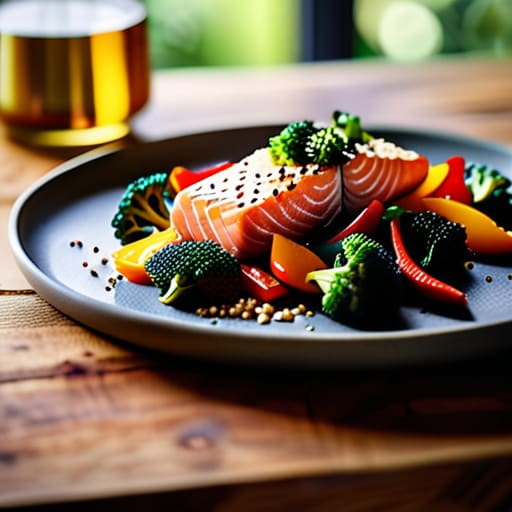
I’m not a fan of complex math, and I’m definitely not a fan of weighing every single gram of food on a digital scale just to feel like I’m doing it right. When I’m meal prepping for nutrition during a busy work week, I rely on a visual shortcut rather than a spreadsheet. Think of your plate as a workspace that needs a specific layout to function. You want a solid protein vegetable carbohydrate ratio that keeps you full without that mid-afternoon energy crash.
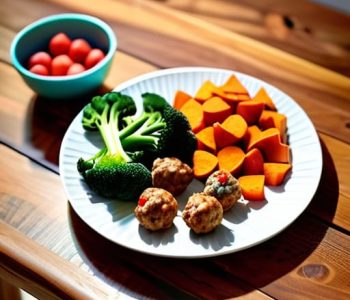
Instead of obsessing over calories, just aim for a simple split. Fill half your plate with colorful vegetables—the more variety, the better. Use a quarter of the space for your protein, like chicken, tofu, or beans, and save the final quarter for your complex carbs, such as sweet potatoes or brown rice. This basic approach to nutritional plate proportions takes the guesswork out of the equation. It’s about finding a rhythm that works for your body, not following a rigid rulebook that makes eating feel like a chore.
Nutritional Plate Proportions for Real Life
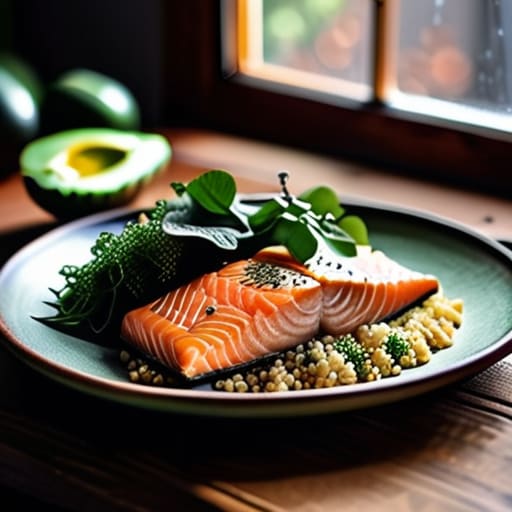
Look, I’m not interested in staring at a spreadsheet or weighing my blueberries on a digital scale every night. When I’m deep in a project or mid-way through fixing an old Moog synth, the last thing I want to do is play mathematician with my dinner. Instead of obsessing over every calorie, I use a visual shorthand to handle my nutritional plate proportions. I basically look at my plate as a map: half the space goes to the greens, a quarter to my protein, and the final quarter to whatever grain or starch is keeping me fueled.
This isn’t about perfection; it’s about a repeatable system that works when you’re tired. If you treat this like a basic macronutrient distribution guide for your eyes rather than a math problem, the decision fatigue disappears. You stop wondering if you’re “doing it right” and just start eating. Whether you’re meal prepping for the week or just throwing something together in a pan at 7:00 PM, this simple spatial logic ensures you’re actually getting the fuel you need without the mental overhead.
5 Hacks to Keep Your Plate Simple and Sustainable
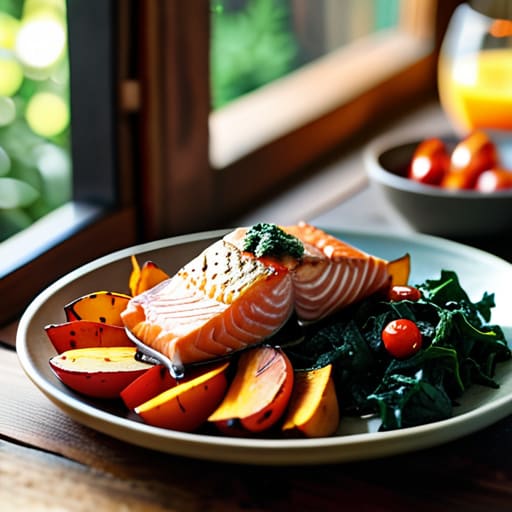
- Don’t fear the frozen aisle. Frozen veggies are just as nutritious as fresh ones, they don’t rot in your crisper drawer after three days, and they save you a massive amount of chopping time.
- Master the “one-pan” mentality. If you can roast a protein and a vegetable on the same sheet tray with a bit of olive oil and salt, you’ve won. Fewer dishes mean more time for literally anything else.
- Keep a “flavor toolkit” in your pantry. You don’t need fifty different spices; just keep some decent olive oil, a good salt, a versatile acid like lemon or vinegar, and maybe some chili flakes. That’s enough to make even the most boring chicken and rice taste intentional.
- Use grains as your safety net. Keep a batch of quinoa, rice, or even farro in the fridge. Having a pre-cooked carb ready to go turns a random pile of leftovers into a legitimate, filling meal in under five minutes.
- Stop aiming for perfection. Some nights a balanced meal is a salmon fillet and asparagus; other nights it’s a piece of whole-grain toast with avocado and an egg. As long as you’re hitting those basic pillars, you’re doing fine.
The Bottom Line
Stop obsessing over exact grams or calories; just aim for that simple protein, veggie, and carb split on your plate to keep things steady.
Use what you actually have in your pantry or fridge instead of running to the store—efficiency is the goal, not perfection.
Think of these ratios as a framework, not a rulebook, so you can eat well without turning your kitchen into a source of stress.
The Philosophy of the Plate
“A balanced meal isn’t about achieving culinary perfection or weighing every gram of kale; it’s about making sure your body has the fuel it needs so you aren’t crashing by 3:00 PM. Keep the ratios simple, keep the prep minimal, and stop letting the idea of ‘healthy eating’ turn your kitchen into a source of stress.”
Julian Reese Miller
Getting Back to Your Life
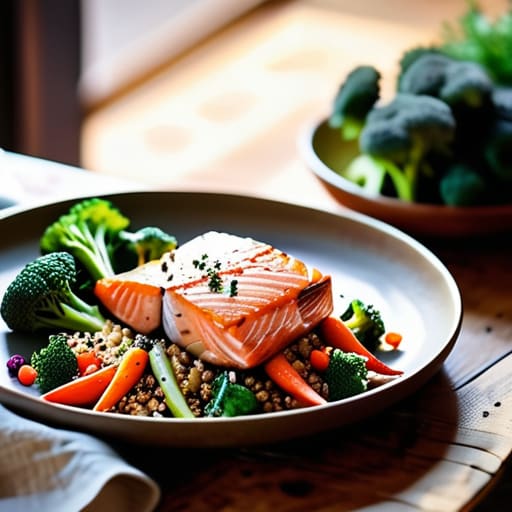
At the end of the day, building a balanced meal isn’t about tracking every single microgram of a nutrient or following a rigid, complicated formula. It’s really just about getting the basics right: grabbing a reliable protein, filling up on some colorful veggies, and adding enough carbs to actually keep you fueled. Once you stop obsessing over perfection and start focusing on these simple proportions, you’ll realize that eating well doesn’t have to be a massive mental load. You’ve got the framework now, so just trust your gut and use these ratios as a guide rather than a rulebook.
I know how it goes—you start the week with these grand intentions of being a “healthy eater,” only to get buried under work deadlines and life’s inevitable chaos by Wednesday. But here’s the thing: you don’t need to be perfect to be capable. Even if you just throw together a quick bowl of beans, rice, and frozen spinach, you’re still winning. The goal isn’t to turn your kitchen into a laboratory; it’s to make sure your food supports your life instead of draining your energy. So, go ahead and keep it simple, get fed, and get back to the things that actually matter to you.
Frequently Asked Questions
What do I do if I'm eating out or grabbing something quick from a deli?
Look, I get it. Sometimes life happens and you’re stuck grabbing a sandwich from a deli or ordering takeout. Don’t stress. Just use the same mental checklist. If you’re at a deli, load up on extra greens or veggies in that wrap, and maybe swap the chips for a side salad. If you’re ordering in, aim for a protein-heavy dish with a veggie side. It’s about making the best choice available, not being perfect.
Do I really need to track macros, or can I just eyeball these proportions?
Look, if you aren’t a competitive athlete or working with a clinical nutritionist, you can absolutely skip the macro tracking. Honestly, staring at an app every time you eat is a quick way to turn dinner into a chore. Just use your eyes. If your plate looks roughly like the proportions we talked about, you’re doing fine. Aim for consistency over perfection; eyeballing it is much more sustainable for a busy life.
How do I handle balanced meals when I'm cooking for a picky eater or a family?
Look, I get it. You’ve mastered the ratios, but then you realize someone at the table refuses to eat anything green. Don’t let their preferences derail your efficiency. My rule is “deconstructed dining.” Instead of mixing everything into one intimidating pile, serve the components separately. Keep the protein, the carb, and the veg in their own zones on the plate. It gives them control and saves you from a kitchen meltdown.