 Food
Food
The Secret to Flawless Rice Every Single Time
I used to think that mastering the kitchen meant owning a $200 specialized rice cooker or following some esoteric, twelve-step ritual involving temperature-controlled steam. But honestly? That’s just more clutter in an already crowded life. I spent way too many years staring at a pot of mushy, gluey grains, wondering why the instructions on the back of the bag felt like they were written in a different language. If you’ve ever felt like you need a culinary degree just to figure out how to cook rice perfectly without turning your dinner into a sticky disaster, I get it. It’s frustrating, it’s a waste of ingredients, and frankly, it shouldn’t be this hard.
Here is my promise to you: no fluff, no expensive gadgets, and no complicated jargon. I’m going to give you the exact, stripped-down method I use in my own kitchen to get consistent results every single time. We’re going to focus on the few variables that actually matter so you can stop hovering over the stove and get back to your life. This is about efficiency and capability, not perfectionism.
Table of Contents
- Mastering Your Rice to Water Ratio Guide
- The Rinsing White Rice Benefits You Need to Know
- Simple Secrets for Avoiding Mushy Rice Every Time
- Five Pro-Tips to Level Up Your Rice Game
- The Bottom Line for Perfect Rice
- The Philosophy of the Perfect Grain
- Stop Overthinking the Pot
- Frequently Asked Questions
Mastering Your Rice to Water Ratio Guide
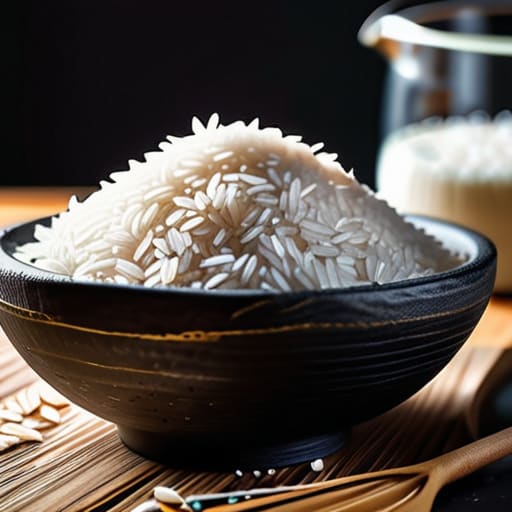
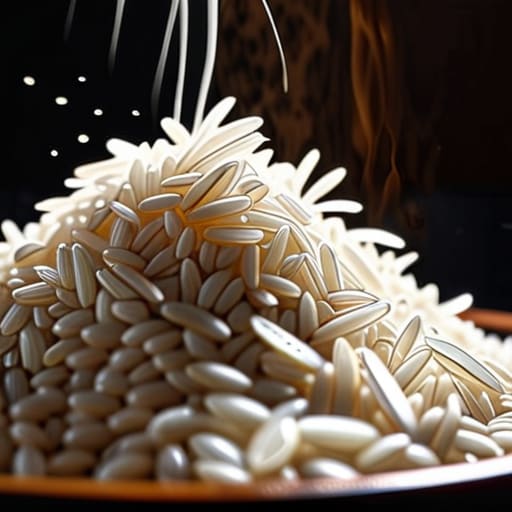
Look, I’ve spent more time than I’d like to admit staring at a pot of gummy, overcooked grains, wondering where it all went wrong. Most of the time, the culprit isn’t your stove; it’s the math. If you want to stop guessing, you need a reliable rice to water ratio guide that actually works for your specific grain. For standard long-grain white rice, I usually stick to a 1:2 ratio—one cup of rice to two cups of water. It’s the baseline that keeps things predictable.
However, if you’re working with something more delicate, like jasmine, you’ll want to dial that water back slightly to about 1:1.5. This is one of my favorite cooking jasmine rice tips: a little less water ensures the grains stay distinct and fragrant rather than clumping together. If you’re using a machine, don’t ignore the manual, but keep in mind that most best rice cooker settings are designed for these standard proportions. Once you nail this ratio, you’ve already won half the battle.
The Rinsing White Rice Benefits You Need to Know
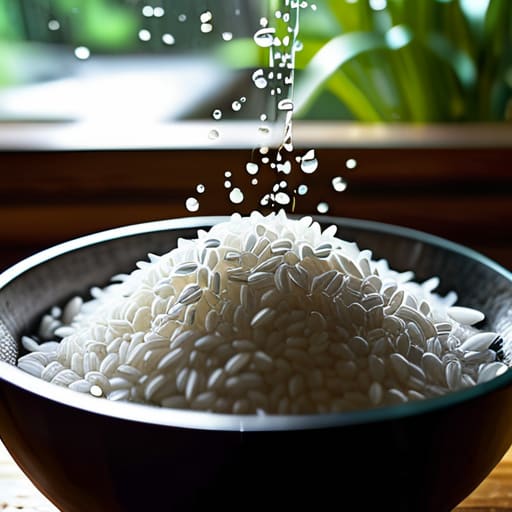
Look, I get it. When you’re staring at a pile of grains and a clock ticking down, the last thing you want to do is add an extra step. It feels like busywork. But if you want to skip the frustration of a gummy, glue-like mess, you can’t skip the rinse. One of the biggest rinsing white rice benefits is that it strips away the excess surface starch. That starch is exactly what turns your dinner into a sticky disaster, and if you’re looking for avoiding mushy rice at all costs, this is your first line of defense.
I used to just dump the rice straight into the pot and hope for the best, usually ending up with a bowl of mush. Now, I just run it under cold water in a fine-mesh strainer until the water runs clear. It takes maybe sixty seconds, but it makes a massive difference in the final texture. It’s a small investment of time that ensures every grain stays distinct and fluffy. Trust me, once you make this a habit, you’ll realize that skipping the rinse is just setting yourself up for failure.
Simple Secrets for Avoiding Mushy Rice Every Time
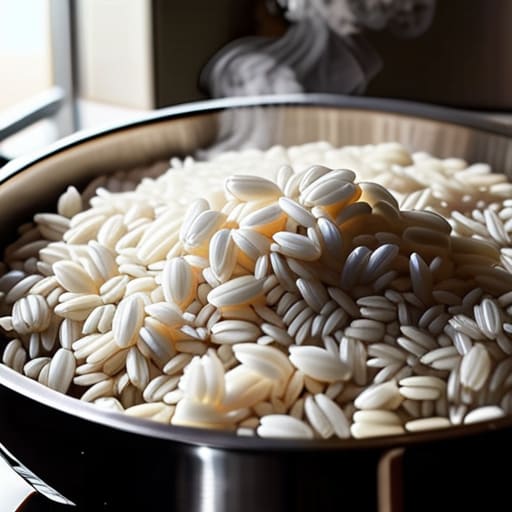
If you’ve ever stared down a pot of gummy, clumped-together grains, you know how frustrating it is to ruin a perfectly good meal. The biggest culprit is usually heat management. Most people think a rolling boil is the goal, but that’s actually how you end up with mush. Once your water reaches a boil, you need to drop the heat to the lowest possible setting and put a tight lid on it. If steam is escaping, your rice isn’t cooking; it’s just drying out or unevenly absorbing moisture.
Another pro tip for avoiding mushy rice is to embrace the “no-peeking” rule. I know it’s tempting to lift the lid every five minutes to check progress, but every time you do, you lose the pressurized steam environment necessary for even cooking. Once the timer is up, let the pot sit off the heat for at least ten minutes. This resting period allows the moisture to redistribute through the grains, ensuring they stay distinct and fluffy rather than a single, sticky mass.
Five Pro-Tips to Level Up Your Rice Game
- Don’t touch the lid. I know it’s tempting to peek and see if it’s done, but every time you lift that lid, you’re letting out the steam that’s doing the actual work. Let it sit in its own heat.
- Let it rest before you scoop. Once the water is gone, turn off the heat and let the pot sit for ten minutes. This lets the moisture redistribute so you don’t end up with a puddle at the bottom and dry grains at the top.
- Use a fork, not a spoon. When you’re ready to fluff it, use a fork to gently lift and separate the grains. A spoon mashes them together, and nobody wants a bowl of rice paste.
- Season early. If you want better flavor, toss a pinch of salt or a tiny bit of oil into the water before it even starts boiling. It’s a small step that makes a massive difference in the final taste.
- Match your gear to your grain. If you’re using a heavy-bottomed pot, you’re less likely to scorch the bottom. If you have a rice cooker, use it—there’s no shame in using the tools that make your life easier.
The Bottom Line for Perfect Rice
Stop guessing with the water—stick to a consistent ratio so you aren’t constantly second-guessing your results.
Don’t skip the rinse; it’s a thirty-second task that prevents that sticky, gummy mess you’re trying to avoid.
Let the rice sit and steam after the heat is off; rushing the process is the fastest way to end up with unevenly cooked grains.
The Philosophy of the Perfect Grain
“Cooking rice shouldn’t be a high-stakes science experiment; it’s just about getting the fundamentals right so you can spend less time hovering over a pot and more time actually enjoying your meal.”
Julian Reese Miller
Stop Overthinking the Pot
At the end of the day, cooking great rice isn’t about some secret culinary technique; it’s just about following a few logical steps. Remember to hit that water ratio accurately, don’t skip the rinsing step to get rid of that excess starch, and most importantly, give it time to steam once the heat is off. If you respect the process and avoid the temptation to keep poking at the lid, you’ll end up with grains that are fluffy, distinct, and actually enjoyable to eat. It’s a small win, but it’s a reliable win that saves you from a mediocre meal every single time.
I know that when you’re staring at a mountain of work or just feeling drained from the day, the last thing you want to do is battle with a kitchen appliance. But mastering these little basics is how you reclaim your evening. When you stop guessing and start knowing, you take the friction out of your routine. My goal isn’t to turn you into a chef, but to make sure you feel completely capable in your own kitchen. Get the rice right, get your food on the table, and then go do something that actually makes you happy.
Frequently Asked Questions
Can I use a different kind of fat, like butter or oil, to prevent sticking?
You definitely can, and honestly, I highly recommend it if you’re prone to that dreaded sticky bottom. A quick tablespoon of butter or a neutral oil (like avocado or grapeseed) stirred into the water before you start simmering acts like a barrier. It keeps the grains separate and adds a subtle richness. Just don’t go overboard—you want fluffy rice, not a greasy mess. It’s a small tweak that saves a lot of scrubbing later.
What should I do if I realize I've already messed up and the rice is turning into mush?
Look, we’ve all been there. If you realize your rice is turning into a gummy mess, the worst thing you can do is keep cooking it. Take it off the heat immediately. If it’s only slightly soft, spread it out on a baking sheet to let the steam escape and dry it out. If it’s a total lost cause for a side dish, don’t toss it—just pivot. Turn it into fried rice or a savory congee.
Does it actually matter if I use tap water versus filtered water for the flavor?
Look, if you’re a purist, it matters. Tap water often carries a chlorine scent that can bleed into the grain, making your rice taste more like a swimming pool than a meal. If your tap water tastes “off” when you drink it straight, it’ll show up in your rice. I usually stick to filtered water just to keep things clean and consistent. It’s one small tweak that keeps the flavor predictable.