 Home
Home
Spring Cleaning Essentials for a Total Home Reset
I used to think spring cleaning meant spending my entire Saturday inhaling toxic fumes from expensive, boutique cleaning sprays and tackling every single corner of my apartment until my back gave out. I’d see those influencers on social media with their color-coordinated bins and twelve-step checklists, and honestly, it just felt like another chore designed to make me feel inadequate. But here’s the truth: most of those “must-have” spring cleaning tips you see online are just ways to sell you more plastic junk you don’t actually need. You don’t need a professional-grade setup or a weekend-long ordeal to reclaim your space; you just need a better system.
I’m not here to give you a list of impossible standards or suggest you buy a specialized gadget for every surface in your home. Instead, I’m going to share the exact, streamlined methods I use to strip my place down to what matters, focusing on high-impact moves that actually save time. My goal is to give you a set of practical, no-nonsense strategies that get the heavy lifting done quickly. We’re going to focus on efficiency and utility so you can finish your chores and actually get back to living your life.
Table of Contents
A No Nonsense Seasonal Cleaning Schedule

Look, the biggest mistake I see people make is trying to tackle the whole apartment in one frantic Saturday. That’s how you end up exhausted, surrounded by half-finished piles, and more stressed than when you started. Instead, I like to use a seasonal cleaning schedule that breaks the work into manageable chunks. Think of it like a project roadmap: you wouldn’t try to build a custom synth in one sitting without a plan, so don’t treat your home any differently.
I recommend a room-by-room cleaning guide approach. Dedicate one afternoon to the kitchen, another to the bathroom, and so on. This keeps the momentum steady without the burnout. While you’re moving through each space, focus on removing dust and allergens from high-touch surfaces and hidden corners like baseboards or behind the fridge. It’s much easier to maintain a sense of control when you’re checking off small, specific wins rather than staring down a mountain of “to-dos.” Once you have a rhythm, the whole process becomes something you can actually finish before your coffee gets cold.
Removing Dust and Allergens Without the Stress

Dust is the ultimate productivity killer. It settles on everything, making your space feel heavy and, if you struggle with allergies, making it physically hard to breathe. Most people make the mistake of just moving dust around with a dry cloth, which only kicks the particles back into the air. Instead, I always opt for a damp microfiber cloth. It actually traps the particles so you can wipe them away for good rather than just redistributing the problem.
If you’re looking to keep things simple, skip the expensive, chemical-heavy sprays. You can get incredible results using natural cleaning products like a basic mixture of water and white vinegar. It’s cheap, it works, and it doesn’t leave your apartment smelling like a laboratory. I’ve found that focusing on high-traffic surfaces first—like coffee tables and bookshelves—makes the biggest impact on air quality. Once you master the habit of wiping down surfaces as you go, you’ll realize that removing dust and allergens doesn’t have to be a massive, overwhelming project; it’s just about having the right tools and a bit of rhythm.
Five Quick Wins to Tackle the Heavy Lifting
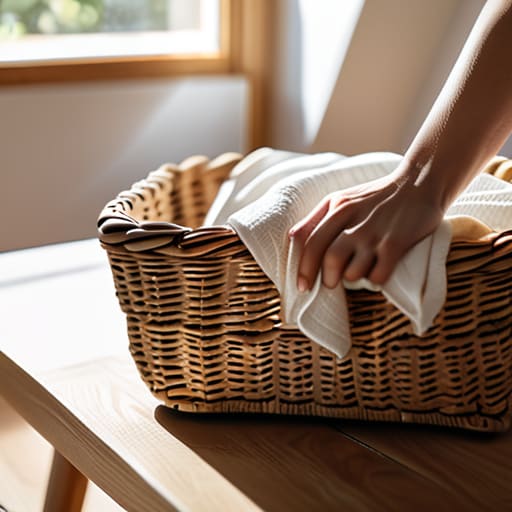
- Stop buying specialized cleaners for every single surface. Honestly, a good micro-fiber cloth, some warm water, and a basic multi-surface spray will handle 90% of your home. You don’t need a chemistry degree or a cabinet full of expensive bottles to get a clean counter.
- Work from the top down. It sounds basic, but I’ve wasted way too much time cleaning my floors only to have dust from the ceiling fan settle right back on top of them five minutes later. Dust the lights and shelves first, then hit the floors last.
- Use the “One-In, One-Out” rule while you declutter. If you’re clearing out a junk drawer or a closet, don’t just move the mess around. If you find something you haven’t touched in a year, donate it or toss it immediately. Making space is more important than just organizing clutter.
- Tackle one room at a time, not one task at a time. It’s easy to get sucked into “cleaning all the windows” and end up with a half-finished house. Pick a room, finish it, and walk away. The sense of completion is what keeps you from burning out by noon.
- Set a timer and gamify the boring stuff. If I have to scrub a baseboard, I’m not going to linger. I set a ten-minute timer on my phone, crank some lo-fi beats, and see how much I can knock out before it dings. It turns a chore into a sprint rather than a marathon.
The Bottom Line
Stop trying to tackle the whole house in one go; break it into small, manageable chunks so you don’t end up exhausted and defeated by noon.
Focus on high-impact areas first—cleaning the surfaces you actually touch every day gives you the biggest sense of progress for the least amount of effort.
You don’t need a cabinet full of expensive, specialized chemicals to get the job done; keep it simple, keep it functional, and get back to your life.
The Philosophy of a Clean Space
“Spring cleaning shouldn’t be a marathon of misery; it’s just about clearing the clutter so you can actually breathe in your own home again.”
Julian Reese Miller
The Finish Line
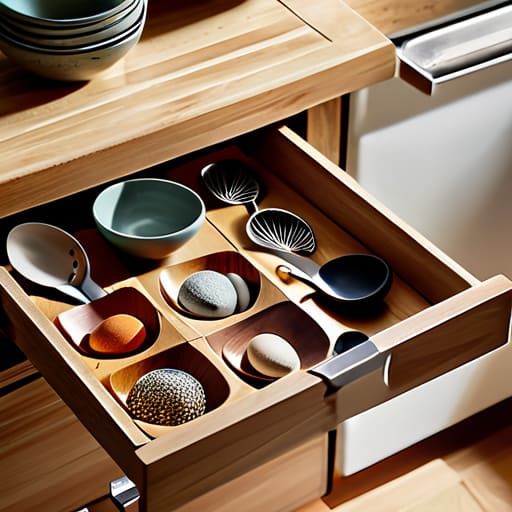
Look, at the end of the day, spring cleaning isn’t about achieving some impossible, showroom-ready perfection. It’s about setting up a system that actually works for your life. We’ve covered how to map out a schedule that won’t leave you exhausted, and how to tackle dust and allergens without making it a massive ordeal. Whether you’re deep-cleaning the kitchen or just finally tackling that one junk drawer, the goal is to reduce the friction in your home. Once you implement these small, functional shifts, you’ll find that maintaining your space becomes a background task rather than a constant, looming weight on your to-do list.
Don’t let the idea of a “clean house” become another source of stress or a reason to feel guilty. You don’t need a professional crew or an expensive suite of specialized chemicals to reclaim your space; you just need a little bit of direction and the willingness to start. My advice? Pick one area, set a timer, and just get moving. The real reward isn’t just a sparkling countertop or a dust-free shelf—it’s the mental clarity that comes when your environment stops feeling like a project you’re failing at. Now, go get it done so you can actually go enjoy your weekend.
Frequently Asked Questions
How do I tackle a deep clean if I only have an hour or two on the weekend?
Look, if you’ve only got ninety minutes, stop thinking about “deep cleaning” and start thinking about “high-impact zones.” Forget the baseboards for now. Focus on the surfaces you actually touch: kitchen counters, bathroom sinks, and the floors. Set a timer for twenty minutes per room. When it dings, move on. It’s about triage—hitting the spots that make the biggest visual and hygienic difference so you can stop stressing and actually enjoy your Sunday.
Are there any cheap, non-toxic DIY cleaners I can make with stuff I already have in my pantry?
Honestly, you probably have everything you need in your pantry right now. Forget the expensive, neon-colored sprays; they’re mostly just overpriced water and marketing. For most surfaces, a simple mix of white vinegar and water works wonders. If you’re tackling a greasy stovetop, grab some baking soda—it’s a mild abrasive that actually gets the job done without scratching. Keep it simple, keep it cheap, and stop overpaying for chemicals you don’t need.
What’s the best way to declutter without getting overwhelmed and losing the whole afternoon to nostalgia?
The trick is to stop treating every object like a museum piece. Set a timer for 20 minutes and pick one specific category—like old cables or junk drawer items—rather than a whole room. If you hit something sentimental, put it in a “decide later” box. Don’t let a dusty yearbook hijack your momentum. The goal is progress, not a trip down memory lane. Get it done, then get back to your life.