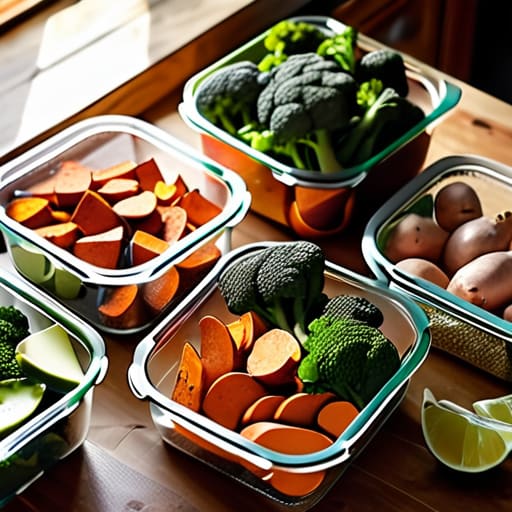
 Food
Food
Nutritious Meal Prep Strategies for the Whole Week
I used to spend my Sunday evenings staring blankly into a fridge full of random ingredients, feeling that familiar dread of another week of expensive, mediocre takeout. We’ve all been there—stuck in that cycle where you want to eat better, but the sheer mental load of deciding what to cook feels like a second full-time job. I realized early on that if I didn’t find a way to streamline my nutrition, my budget and my energy levels were going to take a massive hit. Finding sustainable healthy meal prep ideas isn’t about spending five hours in a designer kitchen; it’s about reclaiming your time and making sure you aren’t making poor decisions when you’re tired and hungry.
In this post, I’m stripping away the fluff and giving you five practical, low-stress strategies that actually work for a busy schedule. I’m not talking about those overwhelming “Pinterest-perfect” containers that take all day to clean. Instead, I’ll show you how to build a system that focuses on maximum efficiency and minimal cleanup. By the end of this, you’ll have a clear roadmap to fuel your body without sacrificing your entire weekend to meal prep.
Table of Contents
The Sheet Pan Savior
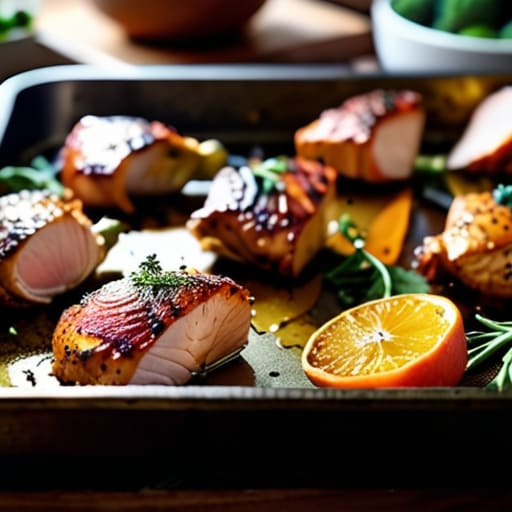
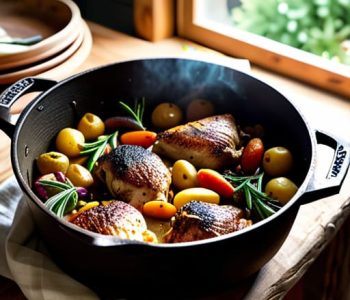
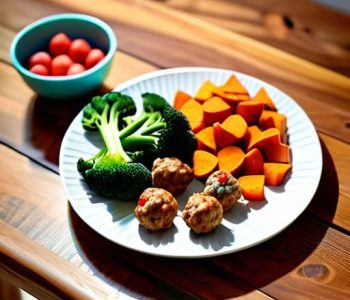
If you’re like me, the last thing you want to do after a long day of managing projects is stand over a stove for forty minutes. The sheet pan method is my go-to because it’s basically set it and forget it for people who actually want to eat real food. Grab a large tray, toss some chopped sweet potatoes, broccoli, and chicken thighs in olive oil and whatever spices you have lying around, and slide it into the oven.
Grain Bowls on Autopilot
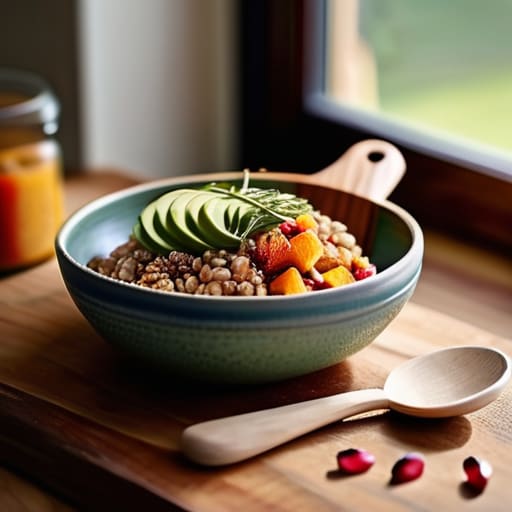
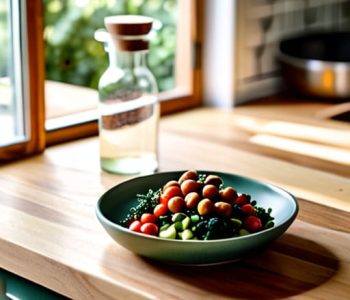
I used to think grain bowls were just something you’d pay fifteen dollars for at a trendy cafe downtown, but they are actually incredibly easy to DIY. The trick is to treat your ingredients like modular components rather than a single recipe. Spend twenty minutes boiling a big batch of quinoa or farro, and then you’ve got a foundation that stays good in the fridge for several days.
The "No-Cook" Protein Hack
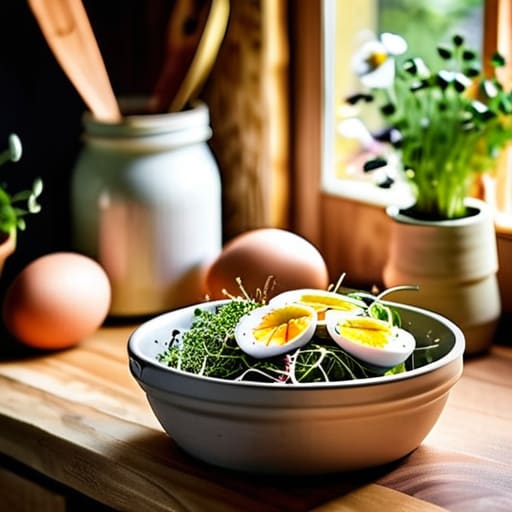
There are days when even turning on the oven feels like a massive chore, and that’s when I lean heavily on high-quality, no-cook proteins. I always keep a couple of cans of tuna or salmon and some pre-cooked hard-boiled eggs in the fridge. It sounds basic, but when you’re staring at an empty kitchen at 7:00 PM, having a reliable protein source ready to go is a total lifesaver.
Mason Jar Salads That Don't Get Soggy
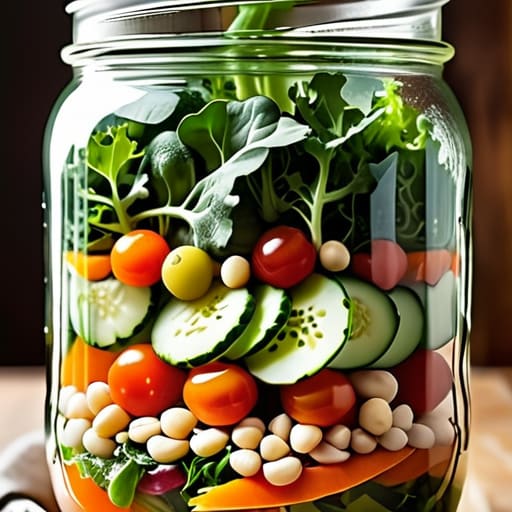
We’ve all been there: you prep a salad on Sunday, and by Tuesday, it’s a sad, wilted mess of wet lettuce. I learned the hard way that you have to build your salads in layers, specifically using a glass mason jar to protect the integrity of your greens. Always put your dressing at the very bottom, followed by the “hard” veggies like carrots or chickpeas, and keep the leafy greens at the very top.
Batch-Cooked Soup for the Soul
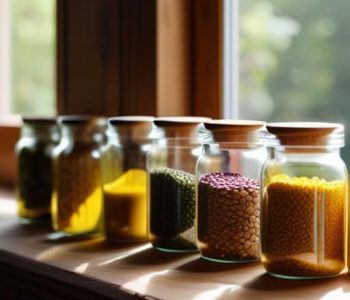
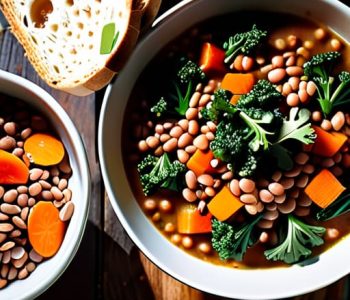
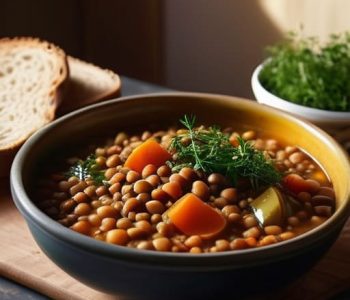
When the weather turns or I’m just feeling a bit burnt out, I turn to a big pot of lentil or vegetable soup. Making a massive batch of soup is one of the most cost-effective habits you can adopt. A single bag of dried lentils and some basic aromatics like onions and garlic can feed you for nearly a week, and the cost per serving is practically negligible.
The Bottom Line
Don’t aim for perfection; aim for a system that saves you time without turning your kitchen into a laboratory.
Focus on versatile ingredients that can be repurposed across different meals to keep your budget in check.
Start small with just one or two prep sessions a week to avoid burnout and keep the habit sustainable.
The Real Goal of Prep
Meal prep isn’t about spending your entire Sunday in a kitchen apron playing chef; it’s about spending twenty minutes on a Sunday so you don’t spend forty minutes staring blankly at a delivery app on a Tuesday night.
Julian Reese Miller
Getting Started Without the Headache
At the end of the day, meal prepping isn’t about achieving some impossible level of culinary perfection or spending your entire Sunday hunched over a cutting board. It’s really just about building a system that works for your specific schedule. Whether you’re batch-cooking grains, prepping versatile proteins, or just chopping veggies ahead of time to save ten minutes on a Tuesday night, the goal is the same: reducing the number of decisions you have to make when you’re tired and hungry. Remember, you don’t have to do all five of these ideas at once. Just pick one method that feels manageable this week and see how much mental space it clears up for you.
I know how it feels to stare at an empty fridge after a long shift and realize your only option is expensive takeout or something processed. That’s the cycle we’re trying to break. Being “capable” in the kitchen doesn’t mean you’re a chef; it just means you’re prepared. Once you get into the rhythm of these small, intentional habits, you’ll realize that you aren’t just prepping food—you’re reclaiming your time. So, grab your containers, keep it simple, and don’t sweat the small stuff. You’ve got this, and more importantly, you’ve got your evenings back.
Frequently Asked Questions
How do I keep my prepped meals from tasting like cardboard by Thursday?
The “cardboard effect” usually comes down to two things: moisture loss and overcooking. When you prep everything to perfection on Sunday, by Thursday you’re basically eating leftovers that have been processed to death.
Is it actually worth the time to prep every single meal, or should I just stick to the big stuff?
Honestly? Don’t do it. Trying to prep every single morsel is a fast track to burnout, and that’s the opposite of what we’re trying to achieve here. I’m a big believer in “component prepping.” Focus on the heavy lifters: a batch of grains, a roasted protein, and some washed greens. If you nail the big stuff, you can improvise the rest in five minutes. Prep for efficiency, not for perfection.
What are the best containers to use so my food stays fresh without spending a fortune?
Look, don’t fall into the trap of buying those expensive, designer glass sets just because they look good on Instagram. If you want to save money, go with a mix of high-quality BPA-free plastic for salads and lightweight glass for anything you plan to microwave. Glass is better for preventing stains and odors, but plastic is easier to toss in a bag for lunch. Just make sure they’re airtight; a good seal is the real secret to freshness.