 Food
Food
Mastering Meal Planning to End the Daily Dinner Dilemma
I used to think that learning how to meal plan meant I had to turn my kitchen into a high-end laboratory, complete with color-coded Tupperware and enough organic kale to feed a small village. I’d spend my entire Sunday afternoon scrolling through Pinterest, feeling more overwhelmed by the “aesthetic” prep videos than actually prepared for Monday. Honestly, most of the advice out there is just noise designed to make you feel like you’re failing if you aren’t spending three hours prepping artisanal grain bowls. It’s exhausting, it’s expensive, and quite frankly, it’s a waste of your time.
I’m not here to sell you on a lifestyle overhaul or a complicated system that requires a PhD to manage. My goal is to show you a stripped-back, functional approach to how to meal plan that actually fits into a busy, real-world schedule. I’m going to give you the exact, no-fluff steps I use to keep my fridge stocked and my stress levels low, so you can stop treating dinner like a second job and finally get back to your life.
Table of Contents
Simple Meal Prep Ideas for Beginners
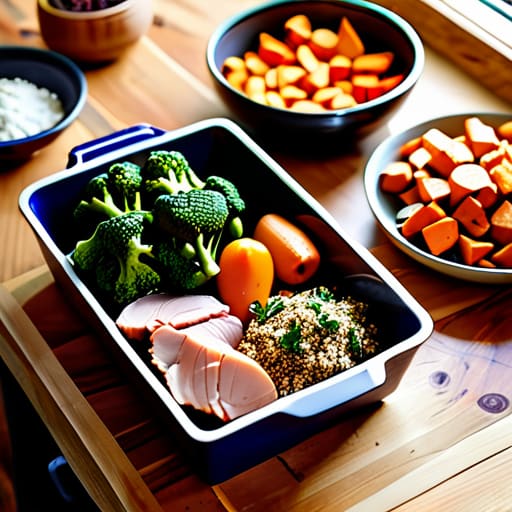
If you’re staring at a fridge full of random ingredients and feeling overwhelmed, let’s scale things back. You don’t need to spend your entire Sunday in a kitchen apron like a professional chef. I’ve found that the most effective meal prep ideas for beginners usually involve “component prepping” rather than making complex, individual recipes. Instead of cooking five different meals, just prep the building blocks: roast a big tray of seasoned chicken, boil a pot of quinoa, and chop some versatile veggies. This way, you aren’t stuck eating the exact same Tupperware meal every single day, but you still have the foundation ready to go.
Another way to save your sanity is through batch cooking techniques. Think about the meals you already love—like chili, lentil soup, or a hearty pasta sauce. When you make these, double or triple the recipe. It takes almost the same amount of time to cook a massive pot of stew as it does a small one, but you’ve just bought yourself three or four future dinners. It’s a low-effort, high-reward strategy that keeps you from hitting the takeout apps when you’re tired.
Budget Friendly Meal Planning Without the Stress
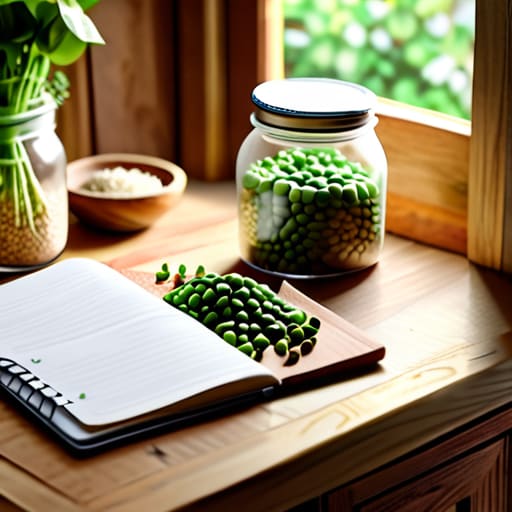
Here’s the reality: most people blow their budget because they walk into a grocery store without a strategy and end up buying whatever looks good in the moment. To stop the bleeding, you need to embrace budget friendly meal planning by working backward from what you already have. Before you even think about a recipe, check your pantry and freezer. If you have a half-bag of rice and some frozen peas, that’s the foundation of your next meal, not an excuse to buy more expensive grains.
Once you know your baseline, focus on your grocery list organization. Instead of a chaotic scribble on a napkin, group your items by aisle—produce, proteins, dry goods. This keeps you from wandering aimlessly and grabbing impulse buys that just end up rotting in the crisper drawer. I’ve found that sticking to a seasonal produce list and buying staples in bulk is the fastest way to keep costs down without sacrificing quality. It’s not about deprivation; it’s about intentionality. When you shop with a specific purpose, you aren’t just saving money—you’re reclaiming the mental energy you usually waste on decision fatigue.
5 Ways to Keep Your Plan From Falling Apart
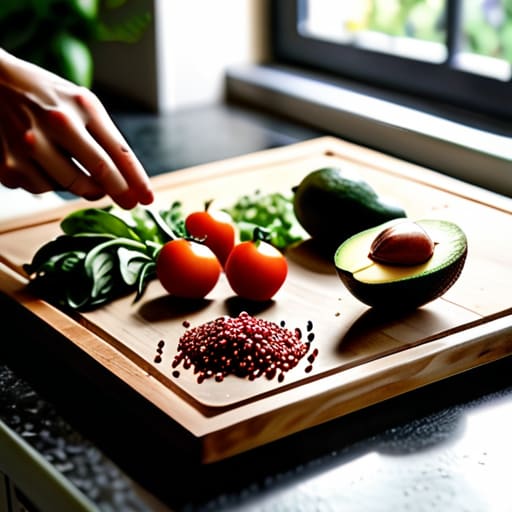
- Shop your own pantry before you hit the store. I’ve wasted way too much money buying a second jar of cumin when I already had three hiding in the back of the cupboard. Check what you actually have first, and build your meals around those ingredients to save cash and reduce waste.
- Don’t try to be a gourmet chef on a Tuesday. If you’re exhausted from work, the last thing you need is a recipe with fifteen steps and exotic spices. Plan for “low-effort” nights—think sheet pan dinners or slow cooker meals—so you don’t end up ordering takeout because the plan felt too heavy.
- Embrace the “Cook Once, Eat Twice” rule. There is no reason to cook a fresh protein every single night. If you’re roasting chicken on Sunday, cook double. That extra chicken becomes your taco filling on Tuesday or a quick salad topper on Wednesday. It’s about working smarter, not harder.
- Keep a “rotation list” of your go-to meals. We all have those five or six dishes we can make in our sleep without looking at a recipe. Write them down. When you’re staring at the fridge feeling uninspired, just pick one from the list instead of starting from scratch.
- Leave some wiggle room in your schedule. Life happens—a meeting runs late, or you just don’t feel like cooking. Don’t plan seven days of intense cooking; aim for five, and leave two nights for leftovers or a quick “emergency” meal. A rigid plan is a plan that’s destined to fail.
The Bottom Line
Don’t aim for perfection; just aim for a plan that keeps you from ordering takeout at 7:00 PM on a Tuesday.
Focus on versatile ingredients—if a single roasted chicken or a big batch of grains can work in three different meals, you’ve already won.
Keep your tools simple and your grocery list tight so that “getting organized” doesn’t end up feeling like another chore on your to-do list.
## The Real Goal of Planning
“Meal planning isn’t about becoming a gourmet chef or spending your entire Sunday in the kitchen; it’s about making a few smart decisions on Monday so you don’t end up staring blankly at a fridge full of nothing on Thursday.”
Julian Reese Miller
Getting Started Without the Overwhelm
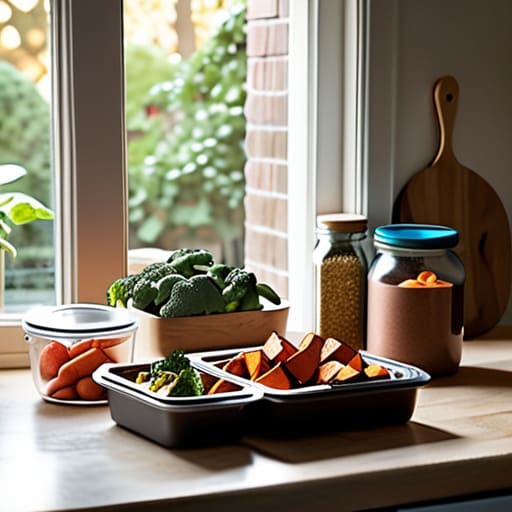
At the end of the day, meal planning isn’t about achieving some kind of Pinterest-perfect aesthetic or spending your entire Sunday hovering over a stove. It’s really just about the basics we’ve covered: picking a few simple recipes, keeping your grocery list tight to save money, and prepping just enough to make your week run smoother. You don’t have to master it all by next Monday. Start with one or two days, or even just one single meal, and build your momentum from there. The goal is to reduce the number of decisions you have to make when you’re tired and hungry after work. If you can automate the small stuff, you win back a massive chunk of your mental energy.
I know it can feel like just another chore on an already overflowing to-do list, but I promise you, the payoff is worth the initial effort. Once you get into a rhythm, you’ll realize that you aren’t just organizing food; you’re reclaiming your time and your sanity. Stop looking at your kitchen as a place of stress and start seeing it as a tool for your own efficiency. You don’t need a perfect system to be successful; you just need a functional one that actually works for your life. So, grab a pen, pick three meals, and just start. You’ve got this.
Frequently Asked Questions
How do I avoid getting bored of eating the same three meals every single week?
The trick isn’t buying more groceries; it’s buying more versatile ones. I call it “component prepping.” Instead of making three specific recipes, prep a few building blocks: a big batch of roasted veggies, a versatile protein like shredded chicken, and a grain like quinoa. One night, it’s a grain bowl; the next, it’s a wrap or a stir-fry. You’re using the same base, but the flavor profiles change entirely.
I don't have much counter space—how can I meal plan without turning my kitchen into a cluttered mess?
Small kitchens are my biggest headache, too. When counter space is at a premium, the secret is to stop thinking about “prepping” and start thinking about “staging.” Don’t chop everything at once; it creates a mountain of bowls and mess. Instead, prep one ingredient at a time, or better yet, use a single large cutting board and clean as you go. Keep your tools minimal, prep in small batches, and keep the clutter off the counters.
What do I do when my schedule changes last minute and my entire plan goes out the window?
Look, life happens. A late meeting or a sudden errand shouldn’t wreck your entire week. When the plan fails, stop trying to force the original schedule. Switch to “survival mode”: keep a few high-protein, zero-effort staples on hand—think canned beans, frozen veggies, or quick grains. Don’t aim for a gourmet meal; just aim for something functional that keeps you fueled. The goal isn’t perfection; it’s just staying on track without the stress.