 Food
Food
Delicious Meals That Won’t Break the Bank
I remember sitting on the floor of my first tiny apartment, staring at a receipt that felt like a personal insult. I had spent nearly sixty bucks on a handful of groceries that barely lasted three days, and I felt like I was failing at the basic mechanics of being an adult. The internet didn’t help; it was all “aesthetic” meal prep containers and expensive organic superfoods that made budget friendly meals feel like something reserved for people with much more time and money than I had. It’s a total myth that eating well requires a massive grocery haul or a culinary degree; honestly, most of that high-end lifestyle content is just noise designed to make you feel inadequate.
I’m not here to sell you on some complicated lifestyle overhaul or a list of ingredients you can’t find at a standard corner store. My goal is much simpler: I want to give you a practical toolkit of recipes and strategies that actually work for a busy schedule. We’re going to focus on efficient, high-impact cooking that prioritizes your time and your wallet. I’ll show you how to strip away the fluff so you can eat decent food, save some cash, and get back to your life.
Table of Contents
Smart Low Cost Grocery Shopping Tips That Actually Save Money
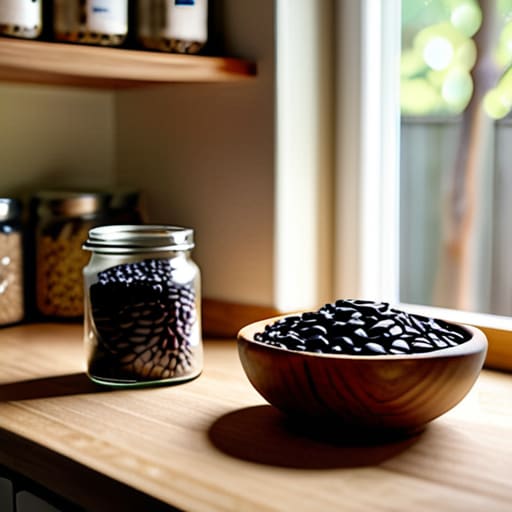
First, let’s talk about the most common trap: the grocery store itself. It’s designed to make you impulse buy, but we’re not doing that. Before you even leave the apartment, you need a plan. I’ve found that the most effective low cost grocery shopping tips start with a quick audit of what you already own. Check your cupboards for those half-empty bags of rice or cans of beans sitting in the back. Building your list around what you already have is the fastest way to keep your total bill down.
Once you’re in the aisles, stop looking at the eye-level shelves where the expensive, branded stuff lives. The real value is usually on the bottom or the very top. I also swear by buying generic or store brands for basics like oats, salt, or canned tomatoes—they’re almost always identical to the name brands but significantly cheaper. If you have the space, look into bulk cooking strategies by grabbing larger bags of grains or legumes. It takes a little more upfront, but the cost per serving drops drastically, saving you both money and decision fatigue later in the week.
Economical Dinner Ideas for People With Zero Free Time
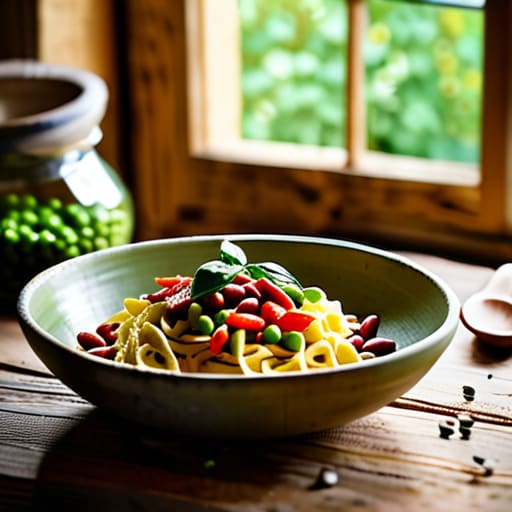
When you’ve had a long day and the last thing you want to do is stare at a complex recipe, you need meals that rely on what you already have. This is where pantry staple recipes become your best friend. Think about a basic batch of pasta tossed with olive oil, garlic, and whatever canned veg or protein you have lurking in the back of the cupboard. It takes ten minutes, costs pennies per serving, and doesn’t require a grocery run. I’ve found that keeping a rotation of beans, rice, and frozen vegetables on hand eliminates that “what’s for dinner” panic that usually leads to expensive, unhealthy takeout.
If you can find even thirty minutes on a Sunday, I highly recommend leaning into some basic bulk cooking strategies. Making a massive pot of chili or a hearty lentil stew isn’t just about saving money; it’s about reclaiming your evenings. You can portion these out into containers, and suddenly, Tuesday night’s dinner is already solved. It’s not about being a gourmet chef; it’s about working smarter so you can actually relax once the work day is over.
Five Ways to Stop Throwing Money in the Trash
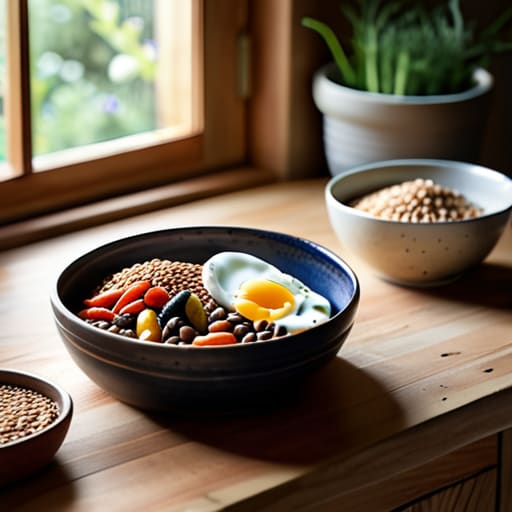
- Master the art of the “pantry staple” base. I’m talking rice, lentils, or pasta. If you have a solid base, you aren’t buying expensive pre-made meals; you’re just adding whatever cheap protein or veggie you have on hand to something that already fills you up.
- Stop buying pre-cut produce. It’s a convenience tax that hits harder than you think. I used to buy those little containers of chopped onions until I realized I could save five bucks a week just by spending three minutes with a knife.
- Lean into frozen vegetables. They aren’t the “sad” frozen peas of your childhood; they’re flash-frozen at their peak. They don’t rot in your crisper drawer like fresh spinach does, which means less waste and more money staying in your pocket.
- Build a “rotation” of three easy meals. You don’t need a massive cookbook. Pick three meals you can make with minimal effort and cheap ingredients, and rotate them. It removes the decision fatigue and makes shopping predictable.
- Shop your own kitchen before you hit the store. I’ve lost count of how many times I went to the grocery store only to realize I already had three cans of black beans hiding in the back of the cupboard. Check your inventory first so you’re only buying what you actually need.
The Bottom Line on Eating Well on a Budget
Stop viewing budget cooking as a sacrifice; it’s actually about being more intentional with what you buy so you aren’t wasting money on stuff that ends up in the trash.
Focus on versatile, “workhorse” ingredients like grains, beans, and seasonal produce that can be repurposed into three different meals to save you both time and cash.
Don’t let the lack of a gourmet kitchen or a massive budget stop you—simplicity is your best friend when you’re trying to eat well without making it a second job.
The Real Goal of Budget Cooking
Eating well on a budget isn’t about deprivation or living on instant noodles; it’s about mastering the basics so you can stop overpaying for convenience and start reclaiming your time and your money.
Julian Reese Miller
Getting Back to What Matters
Look, we’ve covered a lot of ground here, from navigating the grocery aisles without getting sucker-punched by impulse buys to having a few reliable, quick meals ready when your workday runs late. The core idea is simple: stop overcomplicating the process. You don’t need a pantry full of expensive specialty ingredients or a massive block of time to prep every single meal from scratch. By focusing on smart shopping habits and keeping a few versatile staples on hand, you’re effectively cutting out the decision fatigue that usually leads to expensive takeout orders. It’s about building a sustainable system that works for your actual life, not some idealized version of it.
At the end of the day, managing your food budget isn’t about deprivation or eating bland, uninspired meals. It’s about reclaiming your agency and your time. When you stop stressing over every single receipt and every single dinner decision, you free up a massive amount of mental energy for the things that actually matter—whether that’s a hobby, your career, or just sitting down to relax. Being capable of feeding yourself well on a budget is a superpower, and once you have these basic mechanics down, you won’t look back. Now, go get something done and then go enjoy your evening.
Frequently Asked Questions
How do I keep ingredients from going bad so I'm not just throwing money in the trash?
There is nothing more frustrating than tossing a bag of wilted spinach or a moldy carton of berries. It’s literally throwing cash into the bin. To stop the bleed, start with “first in, first out”—move older items to the front of the fridge. Store your herbs like flowers in a glass of water, and keep your potatoes away from onions; they actually make each other spoil faster. A little organization saves your budget.
Can I actually eat healthy on this budget, or am I just going to be living on pasta and canned beans?
Look, I get it. The fear of a “beige diet”—just endless bowls of plain pasta and beans—is real. But you don’t have to settle for that. It’s about strategy, not deprivation. By leaning on versatile staples like frozen veggies, eggs, and seasonal produce, you can build actual meals that feel intentional. You aren’t just surviving; you’re eating well. It’s about making smart swaps so you stay fueled without draining your bank account.
What’s the best way to prep these meals without spending my entire Sunday in the kitchen?
The secret isn’t spending five hours chopping onions; it’s about “component prepping.” Instead of making full recipes, prep versatile building blocks: roast a big tray of veggies, cook a batch of grains, and prep one protein. This way, you aren’t cooking from scratch every night, but you aren’t eating the same soggy leftovers either. Grab a few glass containers, spend forty minutes on Sunday, and you’re set for the week.