 Food
Food
Transforming Leftovers Into Delicious New Dishes
I used to stare at that sad, half-empty container of roasted chicken in my fridge like it was a personal failure, wondering why every “meal prep” influencer made it look like a full-time job. There’s this ridiculous myth that you need a culinary degree or a dozen specialized Tupperware sets to master how to use leftovers without feeling like you’re eating sad, soggy scraps. Honestly, the idea that you have to spend your entire Sunday afternoon portioning out tiny cubes of sweet potato just to “be efficient” is exhausting and unnecessary.
I’m not here to give you a lecture on food science or suggest you buy a $200 vacuum sealer. Instead, I’m going to show you the exact, low-effort shortcuts I use to turn last night’s dinner into a fresh meal in under ten minutes. We’re going to focus on practical, high-reward moves—like the quick stir-fry or the “everything” grain bowl—that actually save you time and money. My goal is to help you stop overthinking your fridge and start reclaiming your evenings so you can actually get back to living.
Table of Contents
Smart Food Waste Reduction Tips for Busy People
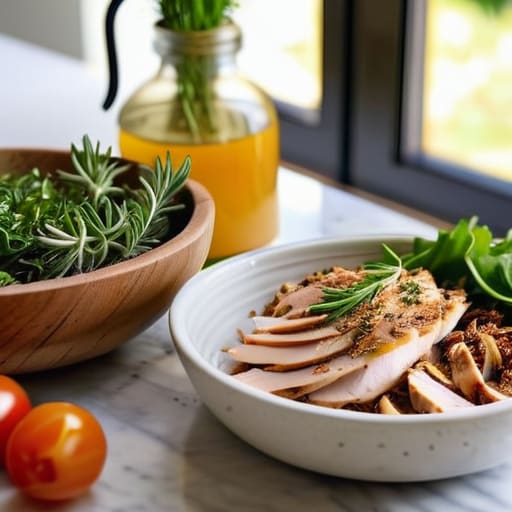
The biggest mistake I see people make is treating leftovers like a chore rather than a head start. If you want to actually see results, you need to start thinking about repurposing cooked proteins the moment you finish your main meal. Instead of just shoving a container of roasted chicken into the back of the fridge and hoping you’ll remember it exists, I plan for its next life immediately. That chicken isn’t just “leftover chicken”; it’s tomorrow’s protein for a quick salad or a hearty wrap.
Another thing that saves me a massive amount of time is mastering a few creative kitchen hacks for your pantry staples. For instance, if you have a half-empty jar of salsa or some wilted greens, don’t just toss them. Throw them into a morning omelet or a quick grain bowl. It’s all about transforming dinner into lunch with as little friction as possible. If the process feels too complicated, you won’t do it. Keep it simple, keep it organized, and you’ll stop throwing money in the trash every single week.
Creative Kitchen Hacks to Revive Yesterdays Meals
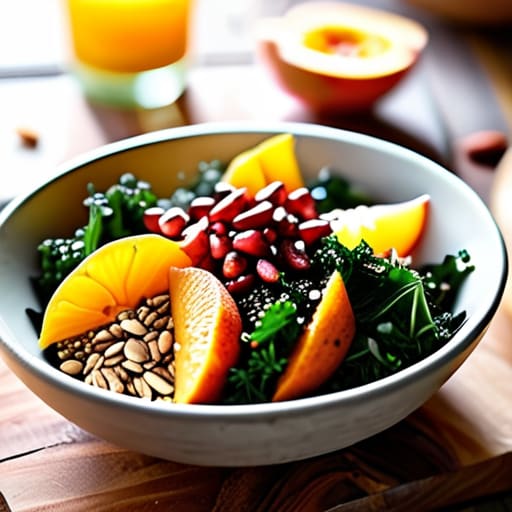
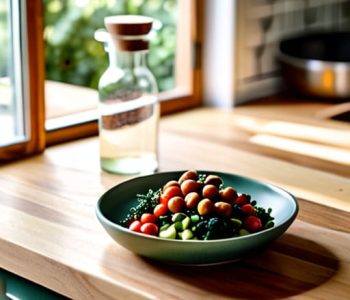
The real trick isn’t just reheating; it’s about a complete identity shift for your food. If you have a pile of roasted vegetables or a bit of plain grain sitting in the fridge, don’t just microwave them until they’re mushy. Instead, try transforming dinner into lunch by treating those components as building blocks. For instance, those wilted greens and leftover grains make a perfect base for a warm grain bowl, especially if you add a quick squeeze of lemon and some toasted seeds to bring the texture back to life.
When it comes to repurposing cooked proteins, think about texture. A piece of leftover steak or some roasted chicken can feel a bit heavy the next day, so I usually shred it. Toss that protein into a quick quesadilla or fold it into a light omelet. By changing the form of the ingredient, you’re not just eating “old food”—you’re making a deliberate, new meal. It’s one of my favorite creative kitchen hacks because it saves me about thirty minutes of prep time during the frantic weekday rush.
Five ways to turn your fridge scraps into actual meals

- Master the “Base + Protein” formula. Instead of staring at a container of plain roasted veggies or a pile of rice, treat them as a foundation. Throw that rice into a pan with an egg and some soy sauce for a 5-minute fried rice, or toss those veggies into a quick omelet. It takes the decision fatigue out of lunch.
- Get a “reheat kit” ready in your pantry. Half the reason we order takeout instead of using leftovers is because the leftovers feel sad and dry. Keep some high-quality broth, a jar of good salsa, or some heavy cream on hand. Adding a splash of liquid before you microwave or pan-fry something brings the texture back to life.
- Use the “Component Method” for meal prep. Stop thinking about “leftover lasagna” and start thinking about “leftover ingredients.” If you have extra shredded chicken, don’t just reheat it; use it as a topping for a quick taco, a filling for a quesadilla, or a protein boost in a salad. It feels like a new meal, not a repeat.
- Invest in decent glass containers. I learned this the hard way moving into my apartment: cheap plastic containers stain, smell like last week’s curry, and don’t seal well. Using glass makes your leftovers look—and taste—fresh, and it’s much easier to grab one and go if you’re rushing out the door.
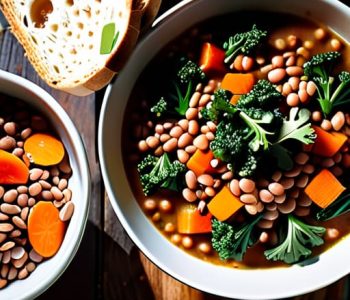
- The “One-Pot Rescue.” If you have a random assortment of leftovers that don’t quite match, throw them into a soup or a stew. A bit of leftover beef, some wilted greens, and a carton of broth can become a hearty meal in ten minutes. It’s the ultimate way to clear out the fridge without feeling like you’re eating scraps.
The bottom line
Treat your leftovers like building blocks, not finished products; a little bit of rearranging can turn last night’s protein into a completely different meal.
Prioritize organization by using clear containers so you actually see what you have before it hits the “mystery science project” stage in the back of the fridge.
Stop overthinking the process—if it tastes good and saves you twenty minutes of prep, it’s a win for your schedule and your wallet.
## Reclaiming your time
“Leftovers shouldn’t feel like a chore or a compromise; they’re actually the ultimate shortcut to a free evening. When you stop viewing yesterday’s dinner as ‘old food’ and start seeing it as a head start on today, you stop working for your kitchen and start making your kitchen work for you.”
Julian Reese Miller
Getting Back to Living
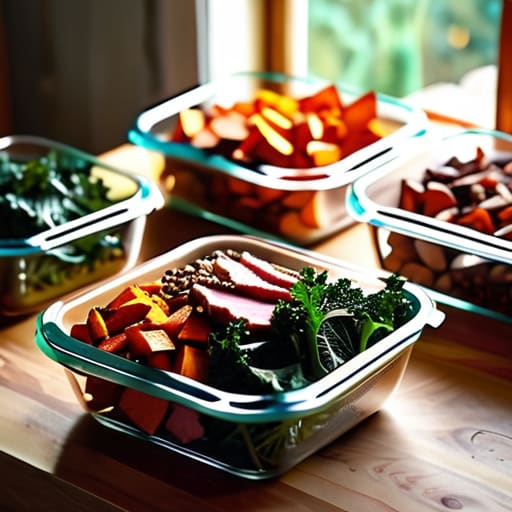
At the end of the day, managing your leftovers isn’t about becoming a gourmet chef or following a strict, rigid meal plan. It’s really just about working smarter, not harder. Whether you’re using those smart storage tips to keep things fresh, or you’re getting creative with a quick kitchen hack to transform last night’s roast into a killer grain bowl, the goal remains the same: reducing waste and saving your future self some serious time. If you can master the art of the “repurpose,” you stop viewing leftovers as a chore and start seeing them as pre-made fuel for your busy week.
I know how it feels to stare into a fridge full of Tupperware and just feel overwhelmed. But I promise you, once you start treating your extra food as a resource rather than a problem, the mental load lightens significantly. You don’t need a massive budget or a culinary degree to take control of your kitchen; you just need a little bit of intentionality. Stop letting good food go to waste and start reclaiming those extra minutes in your evening. You’ve got better things to do with your time than cook from scratch every single night, so get out there and enjoy your life.
Frequently Asked Questions
How long can I safely keep these leftovers in the fridge before they actually become a risk?
Look, I’m all for efficiency, but I’m not into food poisoning. As a general rule, most leftovers are good for about three to four days in the fridge. If you’ve got something like cooked rice or seafood, I’d lean toward the shorter end of that window. If it starts smelling “off” or looks slimy, don’t even play the guessing game—just toss it. It’s not worth the risk to your afternoon.
Is there a way to reheat my meals so they don't end up tasting like rubber or cardboard?
The “cardboard” effect usually happens because you’re nuking the moisture right out of the food. If you’re using a microwave, throw a damp paper towel over your plate or even a small glass of water next to it; the steam keeps things tender. For better results, use a skillet with a splash of water or broth for grains and proteins. It takes two extra minutes, but it’s worth it to actually enjoy your lunch.
What are some basic pantry staples I should keep on hand to make turning leftovers into a new meal easier?
Think of your pantry as your backup generator. When you’re staring at a bowl of plain rice or some uninspired roasted veggies, you need “flavor lifters” to transform them. Keep eggs for quick scrambles, canned beans for protein, and a solid stock to turn scraps into soup. Don’t forget the essentials: soy sauce, hot sauce, and a decent olive oil. If you have these, you can turn almost any leftover into a legitimate meal in ten minutes.