 Food
Food
Salads You’ll Actually Crave
I used to think that “eating healthy” meant staring down a bowl of limp, flavorless arugula while waiting for my brain to realize I wasn’t actually full. I spent way too much money on those pre-packaged “gourmet” kits that promised a culinary experience but really just delivered expensive, wilted leaves and a tiny plastic cup of mediocre vinaigrette. Honestly, the idea that you need a hundred-dollar grocery haul or a culinary degree just to figure out how to make salad interesting is a total scam. You shouldn’t have to choose between a boring lunch and a massive credit card bill just to get your greens in.
I’m not here to give you a list of twenty-five obscure superfoods you’ll never use. Instead, I’m going to show you the functional framework for building a bowl that actually satisfies. We’re going to talk about texture, acidity, and the simple pantry staples that turn a pile of lettuce into something you’ll actually look forward to eating. My goal is to give you a repeatable system so you can stop eating sad bowls of leaves and get back to your actual life.
Table of Contents
Mastering Flavor Balancing in Salads Without the Fuss
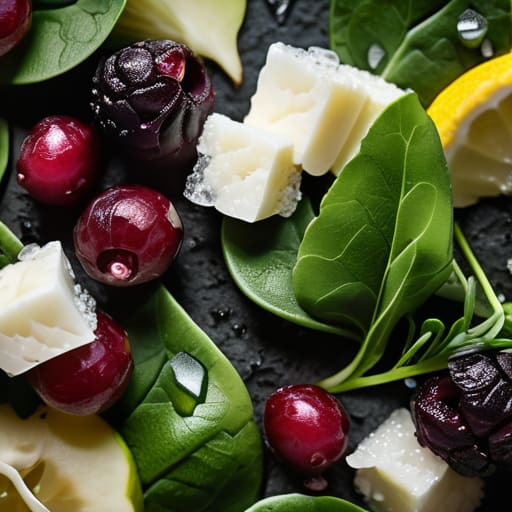
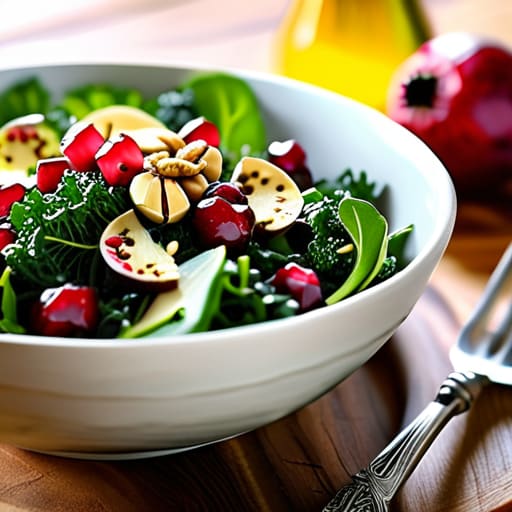
Most people mess up their salads by leaning too hard into one note—usually just salt or, even worse, a heavy, sugary bottled dressing that masks everything else. To actually master flavor balancing in salads, you need to think in terms of contrast. If your greens are bitter, like arugula, you need a hit of acid from lemon or vinegar to cut through it, and a touch of sweetness from something like dried cranberries or sliced apples to round it out. It’s not about complex culinary school techniques; it’s just about making sure no single flavor is doing all the heavy lifting.
Once you have the acid and sweetness sorted, you need to look at your protein additions for salads to make the meal actually stick to your ribs. I’m not talking about a mountain of unseasoned chicken breast. Think more along the lines of a handful of chickpeas, some crumbled feta, or even a hard-boiled egg. These additions don’t just add satiety; they provide the creamy or savory counterpoints that stop a salad from feeling like a side dish you’re only eating because you feel guilty.
Finding Gourmet Salad Ingredients on a Real Budget
Look, you don’t need to hit a high-end organic market to find gourmet salad ingredients. In fact, most of the stuff that makes a salad feel “fancy” is actually just basic pantry staples used smartly. Instead of buying pre-packaged kits that cost double, grab a bag of sunflower seeds or some dried cranberries. These are cheap, shelf-stable, and perfect for adding texture to salads without breaking your weekly grocery budget. If you want that hit of luxury, a small block of feta or some toasted walnuts goes a long way.
I also swear by the “seasonal rule” to keep costs down. If you’re buying berries in the dead of winter, you’re paying a premium for mediocre flavor. Instead, look for whatever is on sale and in season—think sliced apples in the fall or cucumbers in the summer. Pair those with simple protein additions for salads, like a tin of high-quality tuna or a hard-boiled egg, and you’ve got a meal that feels intentional rather than accidental. It’s about being resourceful, not expensive.
Five Ways to Stop Treating Your Salad Like an Afterthought
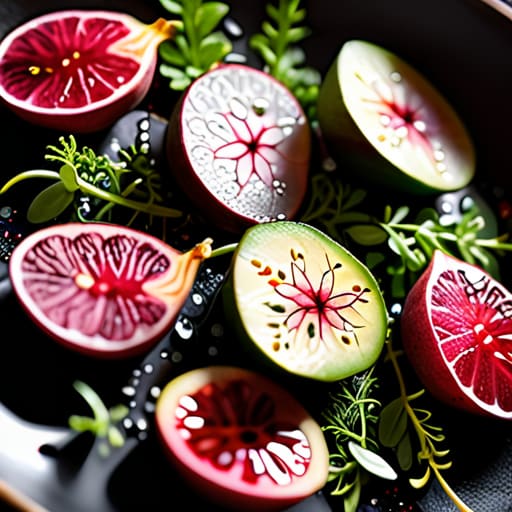
- Texture is everything. If your salad is just soft leaves, you’re going to get bored by the third bite. Throw in some toasted sunflower seeds, some sliced radishes, or even those leftover croutons from a week ago to give your mouth something to actually do.
- Don’t fear the “heavy” stuff. A salad doesn’t have to be a punishment. Adding a bit of feta, some avocado, or a handful of chickpeas turns a side dish into something that actually keeps you full until dinner.
- Use the “Acid Rule” for dressings. Most people make their homemade dressings too heavy on the oil. Add a squeeze of lemon or a splash of apple cider vinegar to brighten everything up; it cuts through the fat and makes the flavors pop without needing a ton of salt.
- Think about temperature. I’ve found that adding something slightly warm—like roasted sweet potatoes or even just some quickly sautéed mushrooms—makes a salad feel like a real meal rather than just a pile of cold greens.
- Season your greens directly. This is a game-changer. Before you even add the dressing, hit your vegetables with a tiny pinch of salt and pepper. It sounds basic, but it makes the individual ingredients taste like themselves instead of just being a vehicle for vinaigrette.
The Bottom Line for Better Bowls
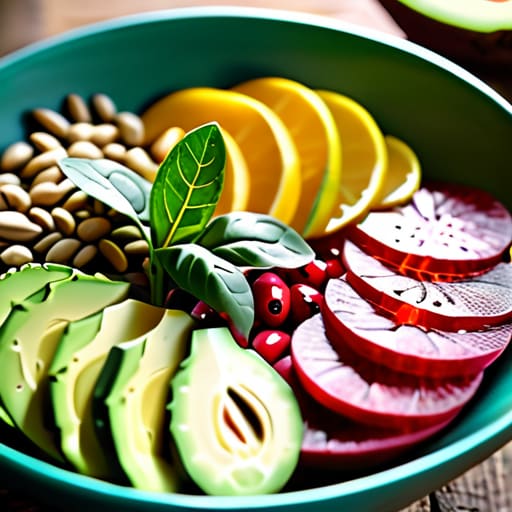
Stop relying on store-bought bottled dressings; a quick mix of acid, oil, and salt will always taste better and save you money.
Texture is non-negotiable—if your salad is just soft leaves, add something crunchy like toasted seeds or even crushed crackers to make it actually satisfying.
Don’t overcomplicate the shopping list; pick one “fancy” ingredient like feta or dried cranberries and let the basic staples do the heavy lifting.
The Secret to Not Hating Your Lunch
A salad shouldn’t feel like a chore you’re forcing yourself to finish; it’s just a bowl of ingredients that needs a little bit of crunch, a hit of acid, and enough actual flavor to make you glad you didn’t just order takeout.
Julian Reese Miller
Stop Settling for Boring Lunches
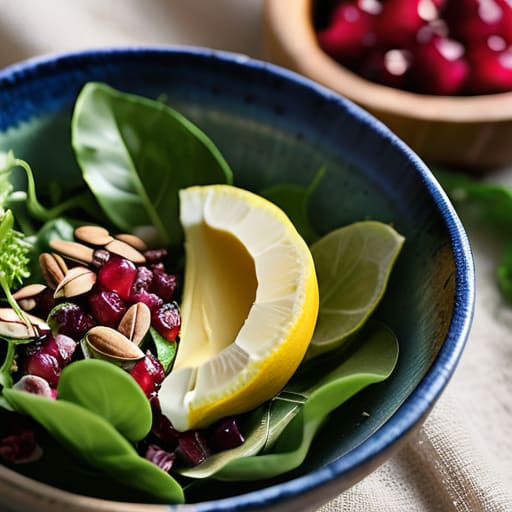
At the end of the day, making a salad actually taste good isn’t about following a complex recipe or buying overpriced organic kits from a boutique grocer. It’s about the simple mechanics of texture and balance. Once you understand how to pair a crunch with a creamy element, or how to hit those sweet and acidic notes with whatever is sitting in your pantry, you stop being a slave to the recipe. You don’t need a culinary degree to realize that a handful of toasted sunflower seeds and a quick squeeze of lemon can turn a sad pile of greens into something you actually look forward to eating.
My goal here isn’t to turn you into a gourmet chef, but to give you back your lunch hour. Life is too short to spend it chewing on flavorless, soggy leaves just because you’re trying to be healthy. Use these shortcuts, keep your pantry stocked with a few versatile staples, and start experimenting on your own terms. Being capable in the kitchen is about efficiency and intuition, not perfection. Now, go toss something delicious together so you can get back to your actual life.
Frequently Asked Questions
I’m still ending up with a soggy mess by lunchtime; how do I prep this so it actually stays crunchy until my break?
The “soggy mess” is the ultimate productivity killer. Here’s the fix: stop mixing everything in one container. Use the layering method. Put your heavy, hardy stuff—like chickpeas, cucumbers, or carrots—at the bottom. Your greens go on top. Most importantly, keep the dressing in a separate tiny container. If you dress it too early, the salt pulls moisture out of the leaves and turns your lunch into a swamp. Keep it separate, keep it crunchy.
Do I really need to buy expensive superfoods, or is there a way to get that same nutritional punch from stuff already in my pantry?
Look, you can skip the $15 bags of “miracle” seeds. Most of those expensive superfoods are just marketing in a fancy package. If you want that same nutritional punch without the price tag, look at your pantry. A handful of sunflower seeds, some dried lentils, or even a sprinkle of hemp hearts provides the same healthy fats and protein. It’s about the nutrients, not the label. Keep it simple, save your money, and get back to your day.
I get tired of the same three dressings—is there a quick way to switch up the flavor profile without standing over a stove for twenty minutes?
Look, you don’t need to play chef to fix this. I keep a “base dressing” logic in my fridge: oil, acid (lemon or vinegar), and a pinch of salt. To switch it up, just swap the accent. Want something creamy? Whisk in a teaspoon of tahini or Greek yogurt. Want a kick? Add Dijon or sriracha. Want it bright? Throw in some zest. It takes thirty seconds, and you’re done.