 Food
Food
The Art of the Pantry Stir-fry: Using What You…
I used to think that learning how to make a stir fry meant I needed a $200 carbon steel wok and a pantry stocked with exotic oils I couldn’t even pronounce. I spent way too many weeknights staring at a wilted bag of broccoli and a lonely chicken breast, feeling like I was failing at “adulting” because I didn’t have a professional setup. But honestly? Most of those gourmet recipes are just unnecessary noise designed to make a simple meal feel like a high-stakes culinary exam.
I’m not here to teach you how to become a Michelin-star chef; I’m here to help you get a decent, hot meal on the table in under twenty minutes. I’ve stripped away the fluff to give you the actual, repeatable logic behind the heat and the sauce. We’re going to focus on the essential mechanics—the prep, the timing, and the temperature—so you can stop overthinking your dinner and start actually enjoying it. This is the no-nonsense blueprint for a stir fry that works every single time, regardless of what’s left in your fridge.
Table of Contents
Smart Vegetable Prep for Stir Fry Without the Mess
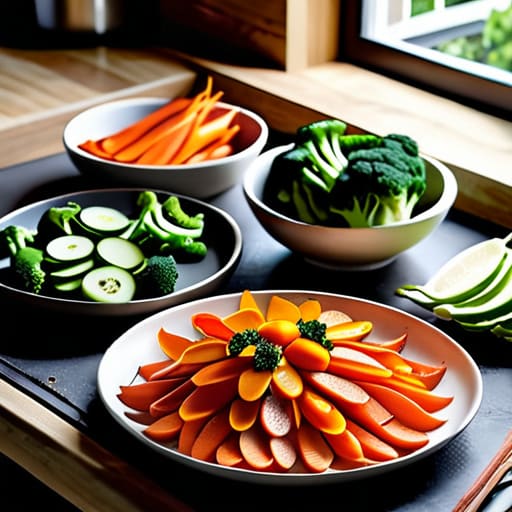
The biggest mistake I see people make is trying to chop everything while the pan is already smoking. That’s a recipe for a kitchen disaster and a burnt dinner. To keep things efficient, I treat vegetable prep for stir fry like a mini project: get everything laid out in small bowls before you even touch the stove. I like to group my aromatics—think garlic, ginger, and scallions—in one spot, and my harder veggies, like carrots or broccoli, in another.
When you’re slicing, aim for uniformity. You want everything to cook at roughly the same rate so you don’t end up with some mushy bits and some raw ones. If you’re adding meat, handle your protein stir fry preparation at the same time; pat it dry with a paper towel so it actually sears instead of steaming in its own juices. Once your containers are lined up in the order they’ll hit the pan, you’ve already won half the battle. Now, you can focus on the heat without the frantic, messy cleanup waiting to happen.
Simple Protein Stir Fry Preparation for Busy Nights
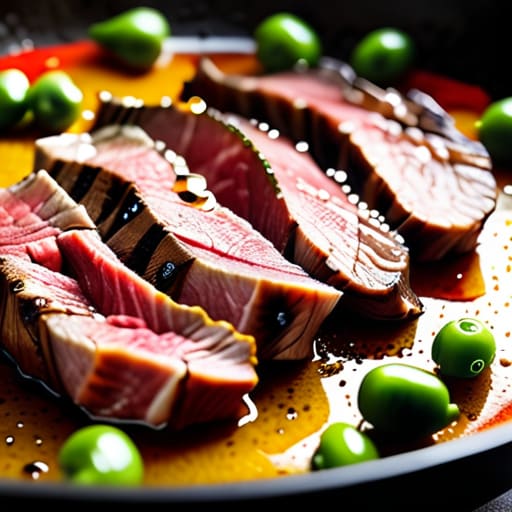
Once your veggies are chopped and ready, let’s talk about the main event. The biggest mistake I see people make is trying to cook everything at once, which usually results in a sad, watery mess. For efficient protein stir fry preparation, you need to treat your protein as its own separate mission. Whether you’re using sliced chicken, flank steak, or even firm tofu, I recommend patting it bone-dry with a paper towel first. If the surface is wet, it won’t sear; it’ll just steam.
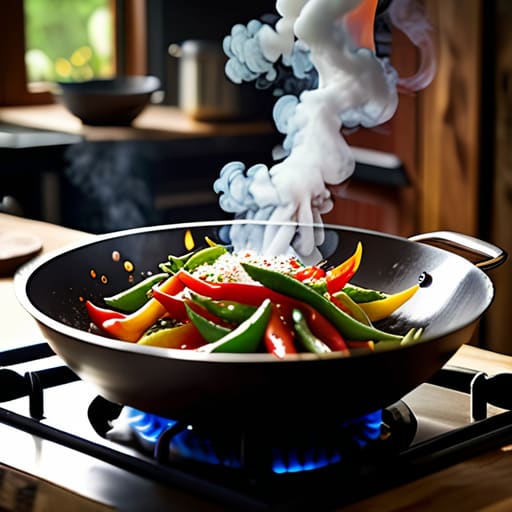
Get your pan ripping hot—we’re talking high heat cooking methods here—and sear the protein in small batches. You want that golden-brown crust that locks in flavor. Once it’s cooked through, pull it out of the pan and set it aside on a plate. This keeps it from getting rubbery while you deal with the vegetables. When everything else is tender and the pan is looking a bit dramatic, toss the protein back in at the very end to coat it in your sauce. It’s a simple workflow, but it’s the difference between a mediocre meal and something that actually tastes like it came from a kitchen.
5 Ways to Stop Your Stir Fry From Turning Into a Soggy Mess
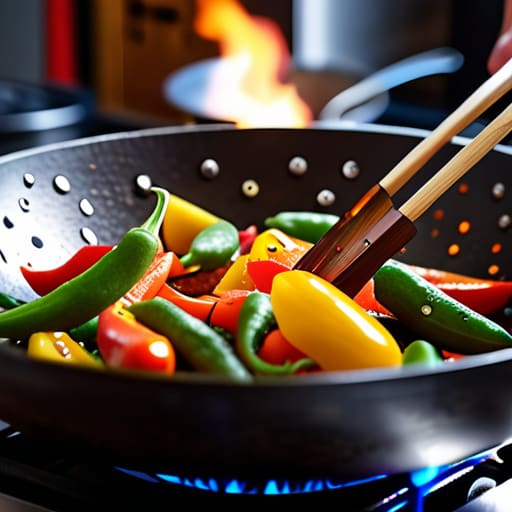
- Get your sauce ready before you even touch the stove. Once that pan gets hot, things move fast, and you won’t have time to hunt for soy sauce or cornstarch while your garlic is burning.
- Don’t crowd the pan. I know it’s tempting to dump everything in at once, but if you pile it too high, the temperature drops and your veggies will steam in their own juice instead of getting that nice sear.
- Respect the order of operations. Start with the hardest veggies like carrots or broccoli, then move to the softer stuff like peppers or snap peas. If you throw them all in at once, you’ll end up with a pile of mush.
- Keep your heat high and your movements constant. Stir fry isn’t a “set it and forget it” situation. You need to keep that food moving so it cooks evenly and stays crisp.
- Use a high-smoke point oil. Skip the extra virgin olive oil for this one; it’ll burn and taste bitter. Stick to something like avocado, canola, or peanut oil that can actually handle the heat.
The Bottom Line
Prep your ingredients before you even touch the stove—once that pan gets hot, everything moves fast, and you don’t want to be chopping onions while your garlic is burning.
Don’t get hung up on specific ingredients; use whatever veggies and proteins you already have on hand to keep things efficient and budget-friendly.
Focus on high heat and small batches to ensure everything sears properly instead of steaming in its own juices.
The Philosophy of the Pan
You don’t need a Michelin star or a kitchen full of specialized gadgets to make a great stir fry; you just need a hot pan, a bit of prep, and the confidence to throw things in as they’re ready.
Julian Reese Miller
Get It Done and Get Back to Your Life
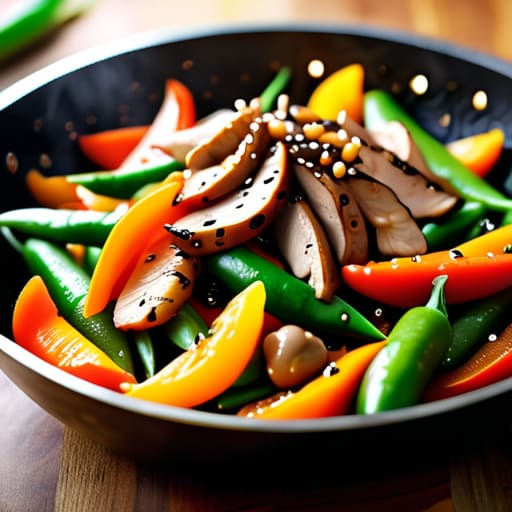
At the end of the day, a great stir fry isn’t about following a rigid, complicated recipe or owning a professional-grade wok. It’s about the prep work we just talked about—having your veggies chopped and your protein ready to hit the heat so you aren’t scrambling while the pan is smoking. Once you have your ingredients organized and your sauce mixed, the actual cooking is just a matter of high heat and quick movement. Don’t sweat the small stuff; if you run out of broccoli, throw in some snap peas. If you don’t have ginger, use a pinch of garlic powder. The goal is a functional, delicious meal that doesn’t leave you with a mountain of dishes or a sense of exhaustion.
I know how it feels when your to-do list is a mile long and the last thing you want to do is play chef. But there is a certain kind of quiet satisfaction in knowing you can whip up something better than takeout in under twenty minutes. Mastering these small, repeatable skills is how you reclaim your evening and your autonomy. Stop viewing cooking as another chore on the list and start seeing it as a way to fuel your life efficiently. You’ve got the tools, you’ve got the steps, now just get in the kitchen and eat.
Frequently Asked Questions
I don't have a wok; can I just use a regular frying pan or a skillet?
Look, don’t let a missing piece of cookware stop you. You absolutely can use a regular skillet or a heavy frying pan. Just keep your portions smaller so you aren’t overcrowding the pan—if you dump too much in at once, the temperature drops and you’ll end up steaming your food instead of searing it. High heat is your best friend here, so just work in batches if you have to.
How do I stop my vegetables from turning into mush by the time they're cooked?
The secret is all about heat management and timing. Stop throwing everything into the pan at once. You want to cook your “hard” veggies—like carrots or broccoli—first, then pull them out when they’re just barely tender. Toss your leafy or soft stuff in at the very end. If you crowd the pan, the temperature drops, moisture builds up, and you end up with a soggy mess instead of a crisp stir fry.
Is there a quick way to make a decent sauce if I don't have all the traditional ingredients on hand?
Look, don’t let a missing bottle of oyster sauce stall your dinner. If you’re missing the traditional stuff, just play chemist with what’s in your pantry. A basic ratio of soy sauce, a splash of vinegar (rice or apple cider works), and a teaspoon of sugar or honey gets you most of the way there. If it needs body, whisk in a little cornstarch or even a spoonful of peanut butter to thicken it up.