 Food
Food
Mastering Fish: How to Cook It Without the Mess…
I used to think that learning how to cook fish meant I needed a culinary degree, a specialized thermometer, and about forty dollars worth of fancy herbs I’d never use again. I remember standing in my tiny apartment kitchen, staring at a piece of salmon that cost more than my utility bill, terrified that one wrong move would turn it into a dry, rubbery mess. It felt like there was this unspoken rule that if you weren’t doing it with extreme precision, you were doing it wrong. Honestly? That’s just a way to make a simple meal feel like a high-stakes exam you didn’t study for.
I’m not here to give you a lecture on molecular gastronomy or suggest you buy equipment you don’t need. My goal is to strip away the intimidation and show you that knowing how to cook fish is actually about a few basic, repeatable moves. I’m going to give you the exact, no-nonsense steps to get a perfect sear and a juicy center every single time, so you can stop stressing about the pan and actually enjoy your dinner.
Table of Contents
Picking the Right Types of Fish for Beginners
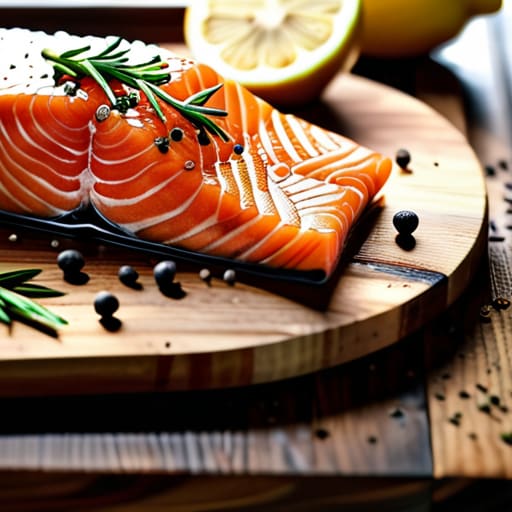
Look, I get it. Walking into the seafood counter can feel like you’re being judged by a panel of expert chefs, but you don’t need to be one of them. When you’re starting out, you want to avoid anything too finicky or delicate that’s going to fall apart the second it hits the heat. I usually stick to “forgiving” options like salmon, tilapia, or cod. These are some of the most reliable types of fish for beginners because they hold their shape well and don’t require surgical precision to get right.
If you want to build some confidence, go for something with a bit more fat content, like salmon. It’s much more forgiving if you accidentally leave it in the pan for an extra minute. On the flip side, white fish like cod is great if you want something light, though it’s a little more delicate. My rule of thumb? Start with something sturdy. Once you master the basics of heat control and timing, then you can start playing around with the more temperamental stuff. Keep it simple, get a win under your belt, and move on to the next thing.
The Best Way to Season Fish for Maximum Flavor
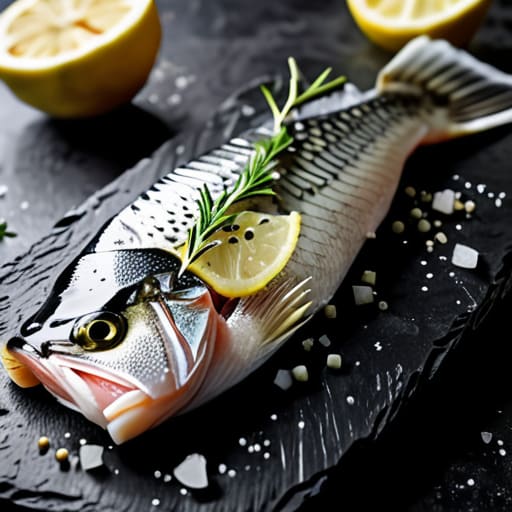
Look, you don’t need a spice cabinet full of exotic ingredients to make this work. The best way to season fish is actually to keep it dead simple so you don’t mask the flavor of the actual protein. I usually stick to the basics: kosher salt, freshly cracked black pepper, and maybe a squeeze of lemon right at the end. If you’re feeling a bit more adventurous, a light dusting of smoked paprika or some dried thyme works wonders, but please, don’t drown it in garlic powder. You want to enhance the fish, not turn it into a heavy-handed pasta sauce.
When you’re actually at the stove, timing is everything. I’ve learned the hard way that seasoning too early can draw out moisture, making the texture a bit mushy. Instead, pat the fillets bone-dry with a paper towel first, then season immediately before they hit the heat. This is a crucial part of mastering pan searing techniques for seafood because a dry surface is what gives you that golden, crispy crust we’re all after. Just keep it light, keep it clean, and let the quality of the fish do the heavy lifting.
Five rules to keep you from ruining your dinner
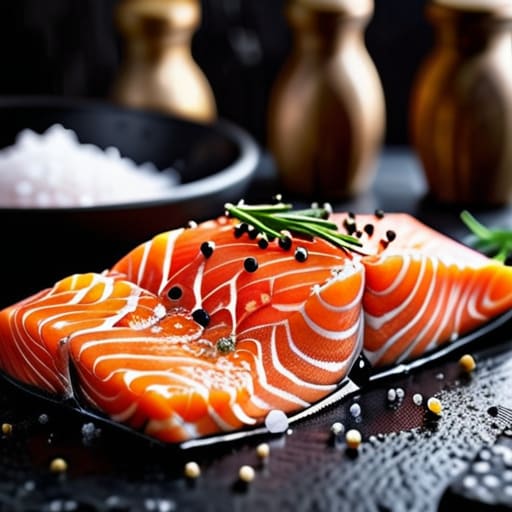
- Pat it dry. I can’t stress this enough. If your fish is wet when it hits the pan, it’s going to steam instead of sear, and you’ll end up with that sad, mushy texture nobody wants. Grab a paper towel and get it bone-dry.
- Stop poking it. I know it’s tempting to keep checking if it’s done, but every time you lift the fillet, you’re losing heat and messing with the texture. Trust the process, let it cook, and only check it once at the very end.
- Get the pan hot before you start. If you drop fish into a lukewarm pan, it’s going to stick like glue. Wait until you see a tiny bit of shimmer in the oil—that’s your signal that it’s time to go.
- Don’t fear the skin. If you’re cooking fillets with skin on, leave it there. It acts as a natural heat shield for the delicate meat and, if you do it right, it turns into a delicious, crispy layer that makes the whole meal feel high-end.
- Use a thermometer if you’re nervous. Look, I’m all for intuition, but if you’re worried about overcooking it into rubber, just use an instant-read thermometer. Aim for that internal temperature sweet spot and pull it off the heat immediately.
The bottom line
Don’t go hunting for exotic, expensive species; start with something forgiving like salmon or cod so you don’t waste money on a bad meal.
Keep your seasoning simple—salt, pepper, and a little acid like lemon—because you want to taste the fish, not a mountain of spices.
Focus on heat management rather than timing; get the pan hot, cook it through, and then get out of the kitchen so you can actually enjoy your dinner.
Keep it simple
“The biggest mistake people make is trying to turn a piece of fish into a culinary obstacle course; just treat it with a little heat, a little salt, and enough respect to let the actual flavor do the heavy lifting.”
Julian Reese Miller
Get in the Kitchen and Just Do It
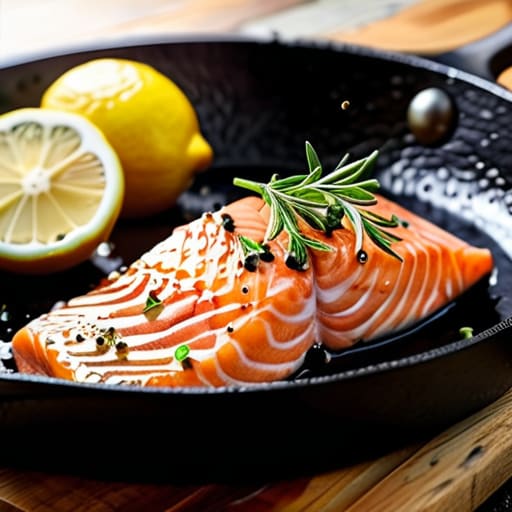
Look, at the end of the day, cooking fish doesn’t need to be this intimidating ritual. We’ve covered the basics: pick a forgiving fish like salmon or cod so you aren’t fighting the texture, don’t be afraid to lean on simple seasonings like lemon, garlic, and salt, and most importantly, watch your heat so you aren’t turning a premium fillet into a piece of leather. If you remember nothing else, remember that simplicity is your best friend here. You don’t need a professional kitchen or a sous-chef to pull this off; you just need a hot pan and the confidence to pull it off the heat before it overcooks.
I know that feeling of standing in the grocery aisle, staring at the seafood counter and wondering if you’re about to waste twenty bucks on something inedible. But trust me, once you nail that first successful sear, that anxiety starts to fade. My goal isn’t to turn you into a gourmet chef, but to help you become someone who can feed themselves well without needing a manual every single time. So, grab a fillet, get your pan hot, and stop overthinking it. You’ve got this, and honestly, you deserve a good meal that doesn’t take all night to prepare.
Frequently Asked Questions
How do I actually tell if the fish is cooked through without a thermometer?
Look, I get it. I don’t always want to pull out a probe and turn my kitchen into a science lab. The easiest way? Use a fork. Gently slide it into the thickest part and twist slightly. If the flesh flakes apart easily and looks opaque rather than translucent or “jelly-like,” you’re golden. If it still looks a bit shiny or stubborn, give it another minute. Trust your eyes more than your anxiety.
Is it okay to use frozen fish, or will it turn into a mushy mess when I cook it?
Look, I get it. The frozen aisle feels like a gamble, but honestly? It’s often your best friend. Frozen fish is usually flash-frozen right after being caught, which actually locks in the quality better than a “fresh” fillet that’s been sitting in a grocery display for three days. As long as you thaw it properly in the fridge overnight—don’t just toss it in warm water—it won’t turn into mush. Just pat it bone-dry before it hits the pan.
What’s the easiest way to clean fish if I buy it whole instead of pre-filleted?
Look, I get it—buying whole fish feels intimidating, like you need a degree in marine biology just to prep dinner. But honestly? It’s simpler than it looks. Grab a sharp fillet knife and some kitchen shears. Scale it first with a scraper, then use the shears to slit the belly from vent to throat. Once you rinse the cavity out, you’re golden. Don’t sweat the mess; just keep a trash bag handy and get it done.