 Food
Food
Authentic Italian-style Pasta Techniques
I used to think that mastering a simple dinner meant buying $15 artisanal bronze-cut noodles and following some pretentious Italian chef’s ten-step ritual involving temperature-controlled water and expensive additives. Honestly, that’s just unnecessary noise. I spent way too many nights in my first tiny apartment staring at a pot of mushy, bland noodles, feeling like I’d failed at a basic adult skill. Learning how to cook pasta perfectly shouldn’t require a culinary degree or a massive grocery budget; it just requires knowing which shortcuts to take and which “rules” to ignore so you can actually enjoy your meal.
I’m not here to give you a lecture or a list of fancy equipment you don’t need. My goal is to strip away the intimidation and give you the exact, repeatable steps to get great results every single time you boil water. We’re going to focus on the practical stuff—the salt, the timing, and the one crucial step most people skip—so you can stop hovering over the stove and get back to your life.
Table of Contents
The Real Way to Start Boiling Water for Pasta
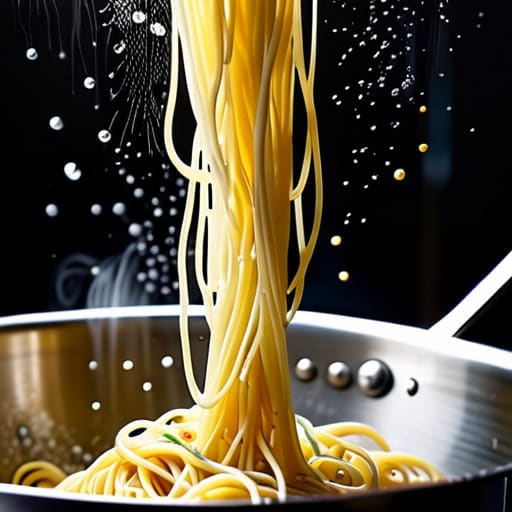
Look, I’ve spent way too many evenings staring at a pot of lukewarm water, waiting for it to do its job while my hunger levels spiked. Here’s the first rule of efficiency: use a large pot and fill it with more water than you think you need. If you crowd the pot, the temperature drops too much when the pasta hits the liquid, and you end up with a gummy mess instead of achieving al dente texture. I usually go for the biggest pot I own; it gives the noodles room to move and keeps the heat consistent.
Once you actually see those big, aggressive bubbles breaking the surface, it’s time to talk about seasoning. Most people treat this part like an afterthought, but if you want flavor, you have to know how to salt pasta water properly. Don’t just add a pinch; it should taste like the ocean. This isn’t just about flavor, either—it’s the only chance you have to season the pasta from the inside out. Just keep a close eye on the clock once the noodles go in, because your pasta cooking time guide on the box is a starting point, not a law.
Mastering the Art of How to Salt Pasta Water
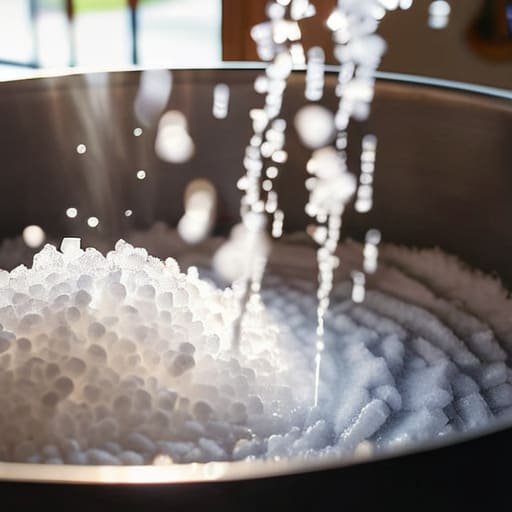
Here’s the thing: most people treat salt like an afterthought, just a tiny sprinkle once the noodles are already in the bowl. That’s a mistake. If you want to actually flavor the pasta itself—not just the sauce sitting on top—you need to know how to salt pasta water properly from the jump. Think of the water as a seasoning bath. You want it to taste like the sea. It sounds dramatic, but if your water is bland, your pasta will be bland, no matter how expensive your jarred marinara is.
Don’t go overboard with a measuring spoon and a scale, though; that’s just adding unnecessary friction to your evening. Just grab a generous handful of kosher salt and toss it in once the water reaches a rolling boil. This is the secret to achieving al dente texture that actually tastes good. As you cook, you’ll notice the water gets cloudy. That’s not a mess; those are the starchy pasta water benefits in action. Before you drain everything down the sink, scoop out a cup of that liquid gold. It’s your insurance policy for a silky, restaurant-quality sauce.
Five Ways to Stop Ruining Your Pasta
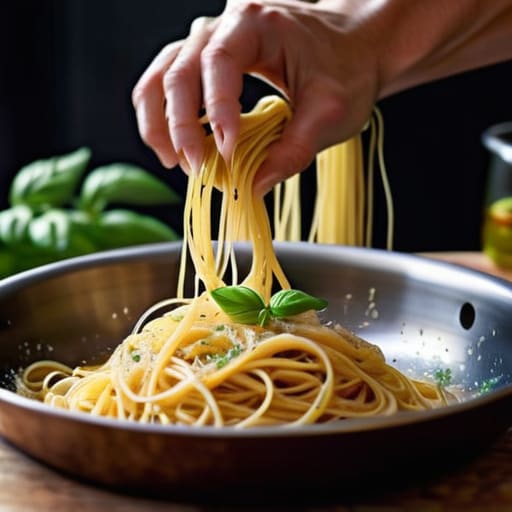
- Don’t drain it all away. Before you dump that pot in the sink, scoop out a mug’s worth of that starchy, salty pasta water. It’s liquid gold for loosening up your sauce and making it actually stick to the noodles instead of sliding off to the bottom of the bowl.
- Stop the “rinse” habit. Unless you’re making a cold pasta salad, never rinse your cooked pasta with cold water. You’re just washing away all that starch that helps the sauce cling to the surface. Just drain it and get straight to the sauce.
- Use a bigger pot than you think you need. If you crowd the pot with too much pasta and not enough water, the temperature drops too fast and the starch builds up, turning your dinner into a gummy mess. Give those noodles room to move.
- Taste it early. Don’t just trust the timer on the box; manufacturers are notorious for playing it safe. Start tasting a piece a minute or two before the timer goes off. You want “al dente”—that slight, firm bite in the center—not something mushy that’s been overstaying its welcome.
- Finish the job in the pan. Instead of just plopping plain noodles onto a plate and pouring sauce over them, toss the pasta directly into your sauce pan for the last 60 seconds of cooking. Let them marry together so every bite is actually seasoned.
The Bottom Line for Better Pasta
Don’t be stingy with the salt; the water is your only chance to season the actual noodle, so make it taste like the sea.
Use a pot that’s actually big enough to let the pasta move around, otherwise you’re just asking for a gummy, starchy mess.
Stop hovering over the timer and start tasting—the pasta is done when it’s tender but still has a slight bite, not when a clock tells you so.
## The Philosophy of the Perfect Bite
“Cooking pasta isn’t some culinary high art that requires a chef’s hat; it’s just about timing and respect for the ingredients so you aren’t stuck eating mushy noodles while your dinner gets cold.”
Julian Reese Miller
Stop Overthinking and Just Eat
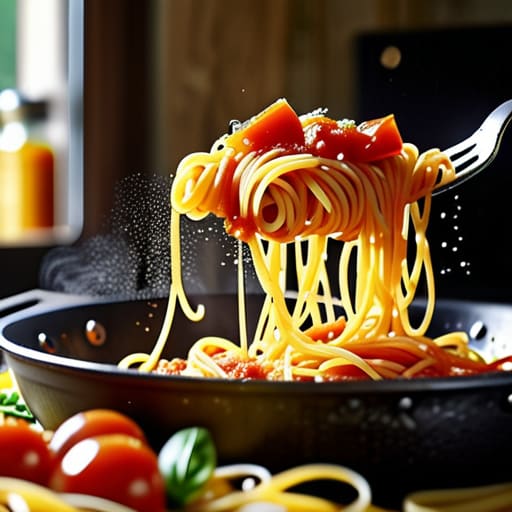
At the end of the day, cooking perfect pasta isn’t about following some high-brow culinary ritual; it’s about getting the fundamentals right so you aren’t wasting your time. Remember to start with a heavy hand of salt once that water is actually boiling, and keep a close eye on the clock once the pasta hits the pot. You’re looking for that perfectly al dente texture—firm to the bite, not mushy. If you save a little bit of that starchy cooking water before you drain it, you’ve basically unlocked a cheat code for making your sauce cling to every single strand. It’s about working smarter, not harder, so you can move on from the kitchen without feeling like you failed a basic life skill.
I know that when you’ve had a long day, the last thing you want is another complex project on your plate. But once you nail these few simple steps, you’ll realize that being “capable” in the kitchen is much easier than the internet makes it seem. You don’t need expensive gadgets or a culinary degree to serve a meal that actually tastes good. My advice? Don’t let the fear of messing up keep you from trying. Grab the pot, salt the water, and get to eating. You’ve earned the break, and now you finally have the tools to enjoy it.
Frequently Asked Questions
Do I really need to use that much water, or can I get away with using a smaller pot to save time and energy?
Look, I get the urge to save time and energy—I’m all about efficiency too—but don’t skimp on the water. If you use a tiny pot, the water temperature drops too much when the pasta hits, and you end up with a gummy, starchy mess instead of distinct noodles. Use a bigger pot if you can. It’s worth the extra minute of boiling to ensure you aren’t fighting a clump of dough later.
Should I be rinsing the pasta under cold water after draining it, or does that just wash away all the good stuff?
Don’t do it. Unless you’re making a cold pasta salad, rinsing is a mistake. That starchy film on the noodles is actually your best friend; it’s what helps the sauce grab onto the pasta instead of just sliding off to the bottom of the bowl. If you rinse it, you’re basically stripping away the glue that makes the dish work. Just drain it, toss it with your sauce immediately, and get eating.
How do I know if the pasta is actually "al dente" versus just being undercooked and crunchy?
Here’s the trick: don’t just rely on the timer. About two minutes before the box says it’s done, grab a piece with a spoon and bite into it. You’re looking for a slight, firm resistance in the center—a tiny white dot, maybe—that gives way without feeling like you’re chewing on a pebble. If it’s crunchy or tastes floury, it’s undercooked. If it’s soft all the way through, you’ve gone too far.