 DIY
Modern Concrete Decor Ideas That Are Incredibly Cheap
I used to think that making something look “high-end” meant spending a weekend at a boutique home decor store and dropping half my paycheck on a single vase. It’s a total myth that keeps a lot of us from actually trying things ourselves. Honestly, the intimidation factor of working with industrial materials like cement is what stops most people, but I’ve learned that you don’t need a workshop or a degree in architecture to pull this off. If you’re looking for some solid concrete craft ideas that won’t break the bank or take up your entire Saturday, you’re in the right place. It’s really just about stripping away the complexity and getting your hands a little dirty.
In this post, I’m breaking down five specific projects that turn basic, cheap materials into pieces that actually look like they belong in a curated apartment. We’re going to skip the overly complicated tutorials and focus on functional, minimalist designs that you can finish in a single afternoon. By the time we’re done, you’ll have a roadmap to creating custom home accents that add a bit of grit and character to your space without the massive price tag. Let’s get to work.
Table of Contents
Minimalist Desk Organizers
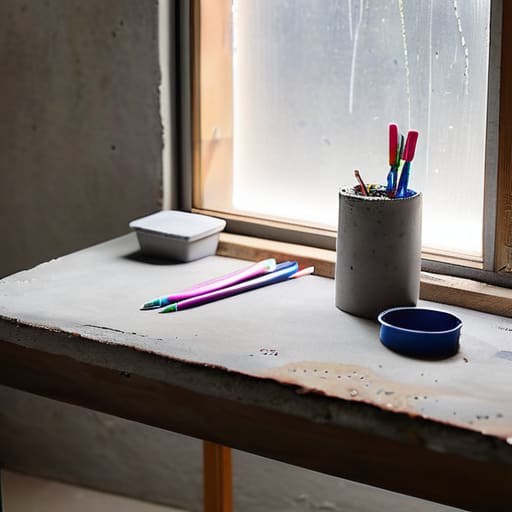
If your workspace looks like a junk drawer exploded, you don’t need to drop fifty bucks on a designer organizer. I started making these because my desk was constantly cluttered with pens, paperclips, and those tiny SD cards I’m always losing. All you really need are some old yogurt containers or small plastic tubs to act as molds, and a bag of quick-set concrete. Just coat your molds in a little bit of cooking spray first so the concrete doesn’t bond to the plastic, or you’ll be having a very bad afternoon.
Brutalist Planters for Small Spaces
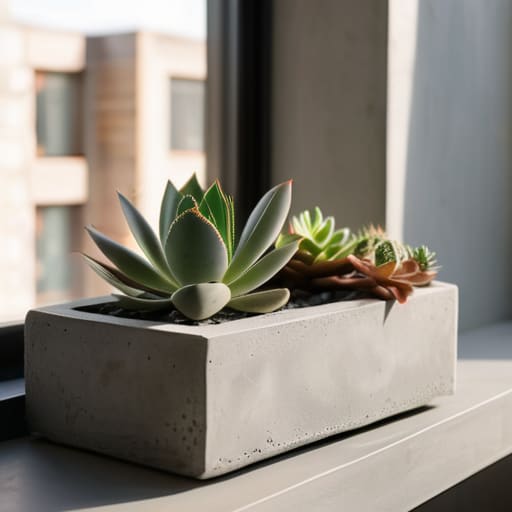
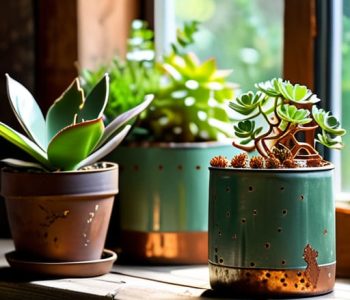
I’ve always loved the weight of concrete; it feels permanent in a way that cheap plastic pots just don’t. For anyone living in a city apartment like I do, these planters are a game changer because they add a sense of grounding to a windowsill or a bookshelf. You don’t need complex equipment—just a larger container for the outer shell and a smaller one to create the hollow center for your plant. It’s a simple geometry lesson that results in something genuinely beautiful.
Custom Coasters That Won't Quit
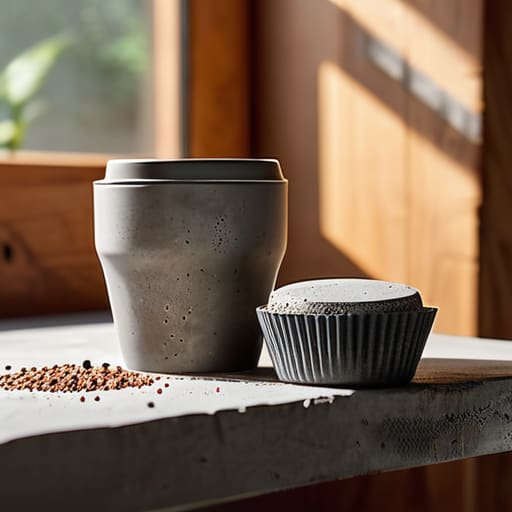
We’ve all been there: you’re enjoying a coffee or a drink, and you realize you don’t have a coaster in sight. Instead of hunting for one, why not just cast a set of heavy-duty coasters? I use small silicone cupcake liners for this because they are incredibly easy to de-mold. It’s one of those projects that is so low-stakes, you can practically do it while listening to a podcast or catching up on emails.
Low-Profile Incense or Candle Holders
There is something incredibly satisfying about the ritual of lighting a candle at the end of a long day. To elevate that moment, I started casting my own minimalist holders. You can use any small, flat-bottomed object—like a heavy bolt or a small wooden block—to create an indentation in the concrete. This creates a perfect, custom-fit cradle for a tea light or an incense stick.
Geometric Bookends
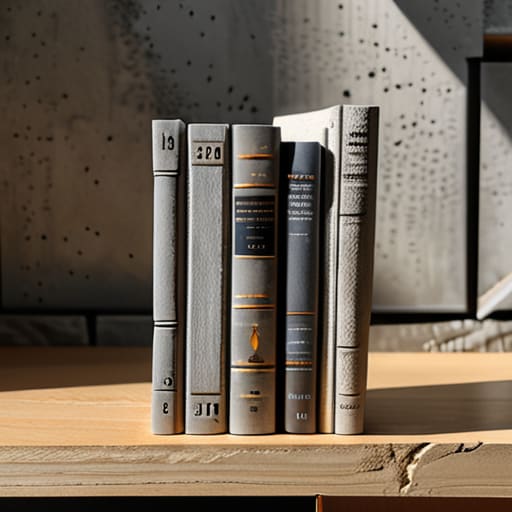
If you have a collection of hardcovers that keeps sliding into a heap, you need some weight holding them in place. Most store-bought bookends are either flimsy or way too expensive, so I decided to just make my own. Using a rectangular Tupperware container as a mold is the easiest way to get a clean, sharp-edged look that feels substantial.
The Bottom Line
Don’t sweat the perfection; concrete is meant to look raw and a little imperfect, so just embrace the texture and keep moving.
You don’t need a professional workshop to start, just a few basic molds and whatever scrap materials you have lying around the apartment.
Focus on one small project at a time so you actually finish it and get back to your life instead of letting half-done crafts clutter your space.
The Beauty of Raw Materials
“Concrete isn’t just for sidewalks and foundations; it’s one of the most forgiving, low-cost mediums you can work with. You don’t need a workshop full of expensive tools to make something beautiful—you just need a little bit of grit and the willingness to get your hands dirty.”
Julian Reese Miller
Get Started Before You Overthink It
At the end of the day, whether you’re casting a minimalist planter for your succulents or building out custom coasters to match your coffee table, the goal is the same: making something useful with your own hands. You don’t need a professional-grade workshop or a mountain of expensive molds to see results. All you really need is a bit of quick-set concrete, a few recycled containers from your kitchen, and the willingness to get a little messy. Once you realize that these projects are more about practical results than achieving architectural perfection, the intimidation factor just disappears.
I know how it goes—you look at a finished piece on Pinterest and think it’s way out of your league. But trust me, the first time you peel that mold away and see something solid and functional sitting on your desk, it’s a massive win. Don’t wait for the “perfect” moment or the perfect set of tools to show up. Just grab a bag of mix, find a container, and start building. You’ve got this, and honestly, the best part is that you’re reclaiming your time by making things that actually last. Now, go get to work.
Frequently Asked Questions
Do I really need a professional mold, or can I just use old yogurt containers and Tupperware from my kitchen?
Honestly? Absolutely not. Please, save your money. I’ve spent way too much on “specialized” gear only to realize the stuff in my kitchen works better. Old yogurt containers, Tupperware, or even sturdy takeout boxes are perfect. Just make sure they’re clean and the edges are relatively straight. If you’re worried about the concrete sticking, a quick spray of cooking oil or some WD-40 on the inside works like a charm. Just grab what you have and get to work.
How do I stop these projects from looking like dusty, grey chunks of sidewalk once they dry?
Look, the “sidewalk look” is the quickest way to make a cool project feel cheap. To fix that, you need to seal it. Once your piece is completely dry, grab a matte or satin concrete sealer. It fills those tiny pores and stops it from looking chalky. If you want a more intentional vibe, you can even sand the surface lightly with fine-grit sandpaper before sealing to get a smoother, stone-like finish.
Is there a way to do this without making a massive, unmanageable mess in my apartment?
Look, I get it. I’ve spent enough nights scrubbing gray dust out of my apartment carpet to know the struggle. The secret is “containment zones.” Don’t just work on your table; lay down a heavy-duty plastic drop cloth or even a cheap shower curtain liner first. Keep a bucket of water and a sponge right next to you for immediate spills. If you control the mess as you go, you won’t be cleaning for hours afterward.