 Home
Home
How to Organize Your Closet and Maintain It Long-term
I used to think that learning how to organize a closet meant I had to spend an entire weekend—and a significant chunk of my paycheck—on those expensive, aesthetic acrylic dividers and color-coded velvet hangers you see all over Instagram. It’s a total scam. Most of those “organization gurus” are selling you a lifestyle that requires constant maintenance, which is the exact opposite of what we need. I don’t want my home to feel like a museum; I just want to be able to find a clean pair of socks without digging through a mountain of fabric every single morning.
Here is my promise to you: we aren’t going to buy our way out of this mess. Instead, I’m going to show you a functional, low-cost system that actually sticks. I’ll walk you through the exact steps to reclaim your space using what you already have, focusing on efficiency over aesthetics. We’re going to strip away the fluff and get your wardrobe sorted so you can spend less time fighting your furniture and more time actually getting on with your life.
Table of Contents
Ditch the Excess With No Nonsense Decluttering Clothes Tips
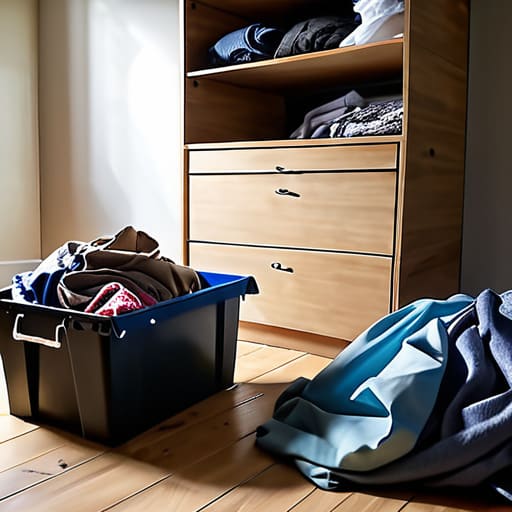
Before you even think about buying fancy bins or new hangers, you have to face the truth: you probably own way too much stuff. I spent years treating my closet like a graveyard for “maybe one day” outfits, but that just creates a bottleneck every single morning. To get started, grab a trash bag and a box, and start being brutally honest. If you haven’t worn it in a year, or if it makes you feel like you’re playing dress-up in someone else’s life, it goes. These decluttering clothes tips aren’t about being minimalist for the sake of an aesthetic; they’re about clearing the mental fog so you can actually find your favorite shirt in under ten seconds.
Once you’ve stripped back the excess, you can finally stop fighting your furniture. This is where you look for small closet organization hacks that actually make sense for your lifestyle. Instead of shoving everything into one crowded rod, start grouping things by category or color. If you’re working with a tight footprint, look into maximizing vertical closet space by adding extra shelves or hanging organizers. The goal is to create a system that works with your space, not against it.
Smart Closet Storage Solutions for Small Spaces You Can Actually Use
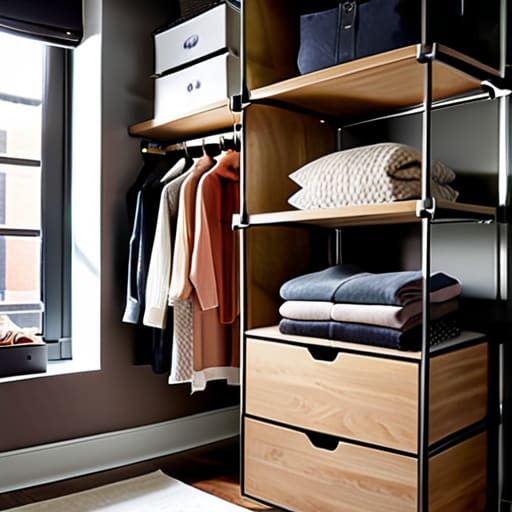
Once you’ve cleared out the junk, the real challenge begins: making sense of the limited square footage you actually have. If you’re living in a city apartment like I am, you quickly realize that floor space is a luxury you can’t afford to waste. My go-to strategy is always maximizing vertical closet space. Instead of letting that top shelf become a graveyard for random items, I use clear, stackable bins to house things I don’t need every single day. It keeps the visual clutter down and makes sure every inch is working for you.
I’m also a huge advocate for using the “hidden” areas. Those little gaps between your hanging clothes and the door? That’s prime real estate for an over-the-door organizer. It’s one of those simple small closet organization hacks that actually delivers, whether you’re storing belts, scarves, or even cleaning supplies. If you’re still struggling with tight quarters, look into slim, velvet hangers. They take up half the room of those bulky plastic ones, allowing you to fit more without the whole thing feeling like a cramped warehouse.
Five Quick Wins to Keep the Chaos at Bay
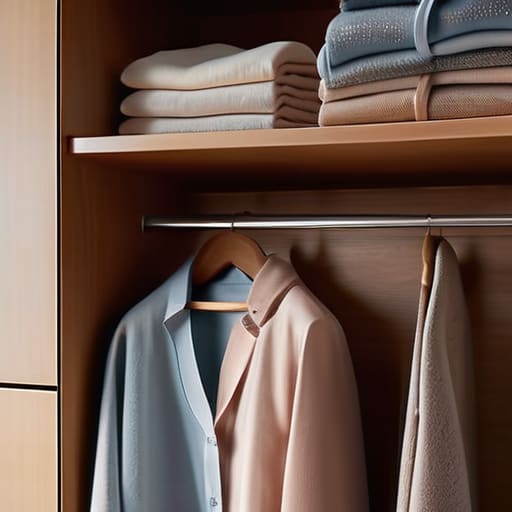
- Stop using those cheap plastic hangers. They bend, they slip, and they make everything look messy. Grab a pack of slim velvet hangers; they save a ton of horizontal space and keep your shirts from sliding onto the floor every time you move.
- Use the “One-In, One-Out” rule to keep the clutter from creeping back. If you buy a new sweater, one old one has to go—donate it, sell it, or toss it. It’s the only way to maintain the balance without constant deep cleans.
- Group your clothes by category, not just by color. I like to hang all my long-sleeve shirts together, then short-sleeves, then jackets. It sounds simple, but it cuts your morning “searching time” in half because you actually know where to look.
- Utilize your vertical space. If you have high shelves, get some stackable, clear bins. Don’t just pile things on top of each other; use the height of the closet so you aren’t digging through a mountain of fabric to find your gym shorts.
- Label your bins. I know, it sounds a bit intense, but if you have bins for “Seasonal,” “Accessories,” or “Extra Linens,” you won’t spend twenty minutes opening every single box just to find your winter scarf.
The Bottom Line
Stop holding onto “maybe” clothes; if you haven’t worn it in a year, let it go so you can actually see what you own.
Invest in uniform hangers and vertical space to stop the visual clutter from making your small closet feel even smaller.
Build a system that works for your actual routine, not some Pinterest ideal, so maintaining it doesn’t become another chore on your list.
The Real Goal of Organization
“A closet shouldn’t be a puzzle you have to solve every single morning; it should just be a tool that helps you get out the door and back to your life.”
Julian Reese Miller
Getting Back to What Matters
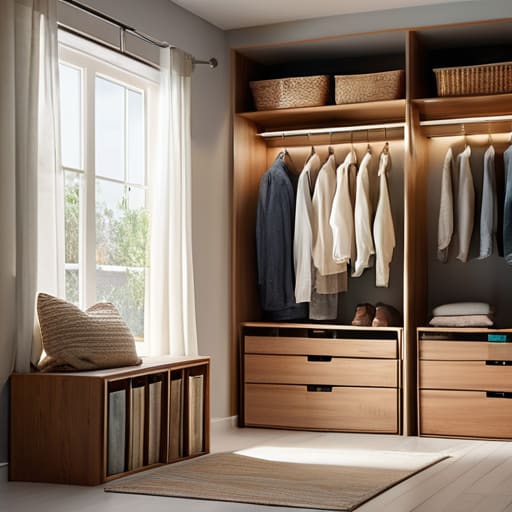
Look, organizing a closet isn’t about achieving some Pinterest-perfect aesthetic that requires three hours of maintenance every single week. It’s about the fundamentals we just covered: being ruthless during the decluttering phase, choosing storage solutions that actually fit your specific space, and setting up a system that works with your lifestyle rather than against it. If you’ve managed to clear out the stuff you don’t wear and found a way to maximize your vertical space, you’ve already done the heavy lifting. The goal is to reach a point where you can grab what you need and go without having to dig through a mountain of fabric every single morning.
At the end of the day, your closet should be a tool that serves you, not a source of daily friction. I spent way too many years letting my living space dictate my stress levels, but once I started applying a bit of logic to my surroundings, everything changed. Don’t get hung up on making it look like a showroom; just focus on making it functional and efficient. Once this is done, you can close those doors, stop thinking about your clothes, and get back to actually living your life. You’ve got this.
Frequently Asked Questions
How do I decide what to keep when I'm emotionally attached to clothes I never actually wear?
Look, I get it. I have a drawer full of old synth parts I’m “saving” for a project that never happens. It’s a trap. Here’s my rule: if you haven’t worn it in a year, it’s no longer a garment; it’s a souvenir. If the attachment is purely nostalgic, take a quick photo of it. Digital memory takes up zero shelf space. Keep the memory, lose the clutter, and reclaim your closet.
What are some cheap, DIY ways to add more hanging space without buying a whole new wardrobe system?
You don’t need a custom built-in to win this battle. First, grab some S-hooks; they’re cheap and let you hang multiple items from a single hanger. If you have empty wall space, mount a simple tension rod or even a sturdy wooden dowel with some brackets—it’s an instant, low-cost hanging station. Finally, swap those bulky plastic hangers for slim velvet ones. It sounds small, but you’ll reclaim about 30% of your rod space instantly.
Should I be organizing my closet by color, by season, or by category to actually save time in the morning?
Look, if you want to stop hunting for a matching shirt while your coffee gets cold, go with categories first. Grouping by type—tees with tees, button-downs with button-downs—is the heavy lifter for efficiency. Once those categories are set, layer in color coding within each group. It sounds extra, but it’s a visual shortcut that works. Skip the seasonal rotation unless you have massive floor space; just keep what you actually wear in reach.