 Home
Home
Ways to Cut Down on Utility Bills Without Sacrificing…
I remember sitting at my kitchen table last winter, staring at a utility bill that looked more like a mortgage payment than a monthly expense. I felt that familiar, sinking pit in my stomach—the kind you get when you realize you’re working harder just to pay for the air you’re breathing or the light you’re using. Most “experts” will try to sell you on expensive smart-home ecosystems or high-tech solar setups that cost more than they’ll ever actually save you. Honestly, if you’re looking for a way to learn how to save on utility bills without a massive upfront investment or a degree in electrical engineering, you’re in the right place.
I’m not here to waste your time with fluff or complicated gadgets that require a manual longer than a novel. I’ve spent years tinkering with old gear and managing tight budgets in small apartments, so I know exactly which small, practical adjustments actually move the needle. I’m going to give you a straightforward, no-nonsense breakdown of the steps I use to keep my costs down. My goal is to help you reclaim that extra cash so you can stop stressing about overhead and get back to actually living your life.
Table of Contents
Smart Thermostat Benefits for a Low Stress Home
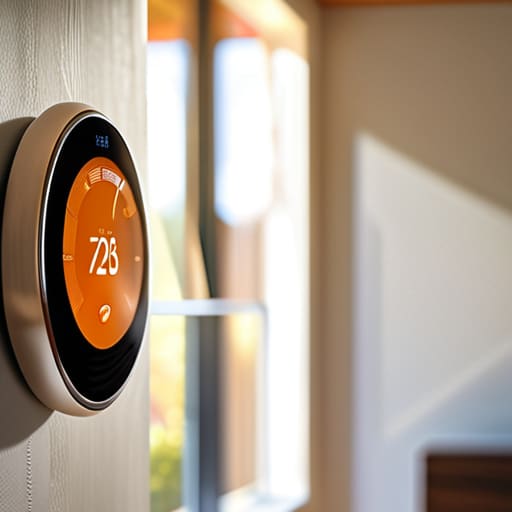
If you’re like me, the last thing you want to do when you get home from a long day is fiddle with a dial to make sure the house isn’t freezing or sweltering. This is where a smart thermostat becomes a total game-changer. Beyond just being a cool gadget, the real smart thermostat benefits lie in the automation. These devices learn your schedule and adjust the temperature while you’re at work or asleep, meaning you aren’t essentially heating or cooling an empty apartment. It’s one of those energy efficient home upgrades that actually pays for itself by cutting out the mindless waste.
I used to manually adjust my settings every time I left the house, which was a constant mental chore. Now, I just set a routine and forget it. It’s a small shift, but it’s a massive part of reducing monthly household expenses without having to live in a cave. By letting the tech handle the micro-adjustments, you’re reclaiming both your money and your mental bandwidth. You get a comfortable environment the second you walk through the door, and your bank account stays a little healthier in the process.
Easy Home Insulation Improvements That Actually Work

If you’ve ever felt a weird draft while sitting on your couch, your house is essentially leaking money. Most people think home insulation improvements require tearing down drywall or hiring a crew, but that’s a massive misconception. Start small by looking at your windows and doors. A simple roll of weatherstripping or a heavy draft stopper at the base of a door can make a noticeable difference in how much heat your HVAC system has to work to keep you comfortable.
Next, don’t overlook the “hidden” culprits like your attic or recessed lighting. If you have access to your attic, checking for gaps around pipes or vents is one of the most effective energy efficient home upgrades you can do on a weekend. It’s not about a complete overhaul; it’s about plugging the holes where your hard-earned cash is escaping. By tackling these minor leaks, you’re not just managing your environment—you’re actively reducing monthly household expenses without having to live in a dark, cold cave.
Five Low-Effort Habits to Stop Leaking Cash
- Audit your phantom energy. Even when your electronics are “off,” they’re often pulling power. Grab a few power strips for your entertainment center or home office setup; flipping one switch at night is an easy way to kill that silent drain without unplugging every single cord.
- Wash your clothes in cold water. Most modern detergents are designed to work perfectly well in cold cycles, and since about 90% of a washing machine’s energy goes toward heating the water, this is one of the fastest ways to see a difference in your monthly statement.
- Time your heavy lifting. If you have a smart meter, check when your utility provider charges the lowest rates for electricity. Try to run your dishwasher or dryer during those off-peak hours so you aren’t paying a premium just to get your chores done.
- Clean your HVAC filters. I know, it’s a boring task, but a clogged filter makes your system work twice as hard to move air. Swap them out every three months—it takes five minutes and keeps your unit from sweating through a high-cost repair later.
- Seal the “invisible” leaks. Take a look at your windows and doors; if you can feel a draft, you’re literally throwing money out the window. A cheap roll of weatherstripping or some basic caulk can stop that air exchange and keep your climate control where it belongs.
The Bottom Line: Small Changes, Real Savings
Stop treating your thermostat like a guessing game; a smart device does the mental heavy lifting so you aren’t constantly adjusting it to save a few cents.
Don’t ignore the “leaks”—fixing basic insulation gaps is a one-time effort that pays dividends every single month in lower heating and cooling costs.
You don’t need a massive renovation to see a difference; focus on these high-impact, low-effort tweaks so you can stop overpaying and get back to your actual life.
## Efficiency Over Effort
“Saving money on your utilities shouldn’t feel like a part-time job; it’s just about making a few smart, low-effort adjustments so you can stop worrying about the math and start enjoying your space.”
Julian Reese Miller
Making It Stick
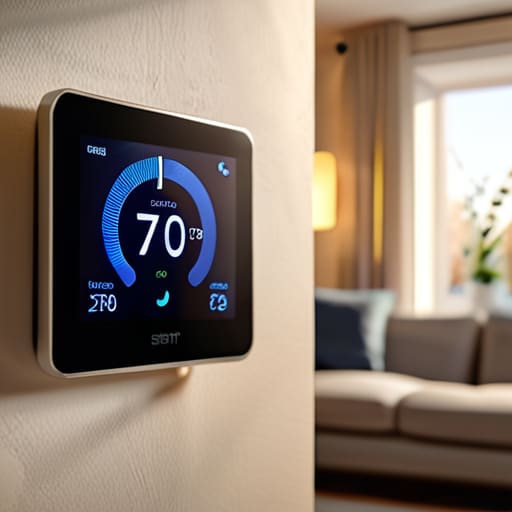
Look, I know it feels like a lot when you first start looking at these numbers. Between adjusting your thermostat settings, upgrading to a smart device, and plugging those tiny gaps in your insulation, it can feel like you’re managing a second job. But the reality is that these aren’t just chores; they are strategic wins for your bank account. By tackling these small, manageable shifts in how you run your home, you’re essentially stopping the slow leak of cash that happens every single month. You don’t need to overhaul your entire life to see a difference; you just need to apply these simple fixes consistently so the savings actually start to stack up.
At the end of the day, the goal here isn’t to turn you into a home efficiency expert or someone who spends their weekends obsessing over energy ratings. The goal is to get your house working for you, instead of you working for your house. Once you’ve streamlined these systems, you can stop worrying about the next utility statement and get back to the things that actually matter—whether that’s working on a project, hanging out with friends, or just relaxing. Take it one step at a time, reclaim your time, and let the efficiency do the heavy lifting for you.
Frequently Asked Questions
Is it actually worth the upfront cost to upgrade my old appliances, or should I just focus on smaller fixes first?
Honestly? Start with the small stuff first. Unless your fridge is sounding like a jet engine or your dishwasher is literally flooding the kitchen, don’t drop thousands on new appliances just yet. Focus on cleaning your coils and replacing old seals—that’s a massive win for efficiency with zero upfront cost. Save the big purchases for when an appliance actually dies. It’s better to spend that money on things that improve your life, not just your power bill.
How much of a difference will changing my lightbulbs really make on my monthly statement?
It sounds like a small tweak, but it actually moves the needle more than you’d think. If you’re still running old incandescent bulbs, you’re basically paying to heat your rooms rather than light them. Switching to LEDs is one of those rare “set it and forget it” wins. You’ll see a noticeable dip in your monthly statement almost immediately, and honestly, it’s one of the easiest ways to reclaim a little extra cash without any real effort.
Are there specific times of day I should be running my dishwasher or laundry to avoid peak pricing?
Check your local utility provider’s website for a “Time-of-Use” schedule. Most cities have peak hours—usually late afternoon through early evening—when electricity costs spike. To save, I aim to run my dishwasher and laundry in the early morning or late at night. It’s a small shift in your routine, but those off-peak hours can shave a noticeable chunk off your monthly bill without changing how you actually live.