 Home
How to Achieve a Minimalist Aesthetic Without Making It…
I used to think minimalism meant living in a sterile, white box with nothing but a single succulent and a designer chair that costs more than my monthly rent. It’s a total lie sold by influencers who have never had to deal with a cramped apartment or a real budget. Most of the “minimalist home tips” you see online are just expensive ways to look empty, rather than actually making your life easier. I’ve spent enough time staring at piles of “stuff” that I promised myself I’d own—gear I never use, clothes that don’t fit, and gadgets that just collect dust—to know that true minimalism isn’t about aesthetic perfection; it’s about reclaiming your sanity.
I’m not here to tell you to throw away your favorite books or live like a monk. My goal is to give you a practical, no-nonsense toolkit to strip away the clutter that’s actually draining your time and energy. I’ll share the exact, low-effort systems I use to keep my space functional so I can spend less time cleaning and more time actually living. No fluff, no expensive decor hauls—just real ways to make your home work for you.
Table of Contents
Decluttering Your Living Space Without Losing Your Mind
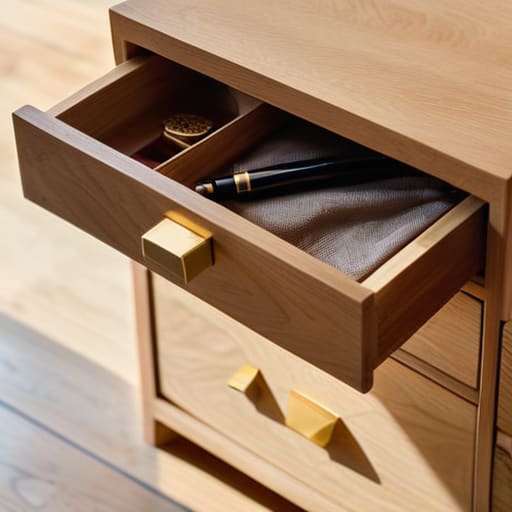
The biggest mistake I see people make is trying to tackle the whole apartment in a single Saturday. That’s a recipe for burnout and a floor covered in half-finished piles. Instead, treat decluttering your living space like a project with clear milestones. Start with one single drawer or one shelf. If you can’t win the battle against a junk drawer, you aren’t going to win the war against the guest room. Focus on one small win at a time to keep your momentum from tanking.
When you’re sorting through the chaos, use the “one-year rule”: if you haven’t touched it, worn it, or used it in twelve months, it’s just taking up mental real estate. You don’t need a massive budget to adopt intentional living habits; you just need the discipline to let go of the “just in case” items. Once the excess is gone, stop buying more stuff to fill the gaps. Aim for a few high-quality pieces rather than a mountain of cheap clutter. It’s about making room for what actually matters.
Organizing for Simplicity So You Can Actually Relax
Once you’ve cleared the physical junk out of the way, the next step isn’t about buying fancy bins or aesthetic dividers—it’s about organizing for simplicity so you aren’t constantly fighting your own furniture. I used to spend twenty minutes every morning just hunting for my keys or a specific charging cable. Now, I follow one rule: everything needs a “home” that is easily accessible. If an item doesn’t have a designated spot, it becomes clutter the second you set it down.
Instead of trying to follow complex minimalist interior design principles you see on Pinterest, focus on functionality. Group things by how you actually use them. Keep your coffee pods right next to the machine, or your tools in one single, reachable drawer. When you embrace these kinds of intentional living habits, you stop managing your stuff and start actually using it. The goal isn’t to live in a sterile white box; it’s to create a space where you don’t have to think twice about where things go, leaving you more mental energy to actually relax.
Five Low-Effort Habits to Keep the Chaos at Bay
- One in, one out. It’s a simple rule that changed my life: if you bring something new into your apartment, something old has to leave. Whether it’s a new kitchen gadget or a fresh shirt, this prevents that slow, creeping accumulation that turns a minimalist home into a storage unit.
- Stop buying “organization” systems before you actually know what you’re organizing. I used to spend way too much money on matching bins and dividers, only to realize they didn’t actually fit my stuff. Clear the clutter first, see where the gaps are, and then—and only then—buy a functional solution.
- Give every single object a “home.” If you find yourself constantly moving your keys, your wallet, or your mail from one surface to another, it’s because they don’t have a designated spot. When everything has a specific place to live, cleaning up becomes a thirty-second task instead of a weekend project.
- The “Five-Minute Reset” is my secret weapon. Before you head to bed or leave for work, spend exactly five minutes putting things back where they belong. It’s not deep cleaning; it’s just resetting the room so you don’t wake up to a visual mess that stresses you out before your coffee is even brewed.
- Curate your surfaces. Flat surfaces like dining tables, kitchen counters, and entryway consoles are clutter magnets. Try to keep them as clear as possible. A clear surface gives your eyes a place to rest and immediately makes the entire room feel more intentional and less frantic.
The Bottom Line
Stop treating decluttering like a massive, once-a-year project; it’s much easier to maintain if you just tackle one drawer or one shelf at a time.
Organization isn’t about buying fancy plastic bins—it’s about making sure every single item you own has a specific “home” so you aren’t hunting for your keys every morning.
Focus on utility over aesthetics; if you don’t use it, love it, or need it to keep your life running, it’s just extra weight you don’t need to carry.
The Real Goal of Minimalism
Minimalism isn’t about living in a white box with nothing but a single chair; it’s about clearing out the physical noise so you actually have the headspace to enjoy your own life.
Julian Reese Miller
Making It Stick
Look, I know this isn’t about achieving some perfect, sterile showroom aesthetic you see on Instagram. It’s about the practical stuff we talked about: stripping away the excess, decluttering without the mental breakdown, and setting up systems that actually work for your daily routine. When you stop fighting against your own environment and start organizing for functionality over fashion, everything changes. You aren’t just moving boxes around; you are reclaiming your mental bandwidth from the chaos of unnecessary stuff.
At the end of the day, your home should be a place that fuels you, not a list of chores that drains you. Don’t feel like you have to overhaul your entire life by tomorrow morning. Just pick one drawer, one shelf, or one corner of a room and start there. The goal isn’t perfection—it’s efficiency and peace of mind. Get the basics sorted, clear the physical clutter, and use that extra time to actually do the things you enjoy. You’ve got this, so go ahead and get back to living.
Frequently Asked Questions
How do I decide what's actually "clutter" versus something I just haven't used in a while?
Look, I used to fall into the “I might need this someday” trap constantly. Here’s my rule of thumb: if you haven’t touched it in a year, it’s clutter, not a resource. If it’s a sentimental item, give it a dedicated “memory box” so it doesn’t bleed into your daily living space. If you’re still stuck, ask yourself: “Does this item serve my current life, or am I just holding onto a version of myself that doesn’t exist anymore?”
I don't want my home to feel empty or cold; how do I stay minimalist without losing all my personality?
Minimalism isn’t about living in a white box; it’s about removing the noise so your actual life can be seen. Don’t buy “minimalist decor”—buy things you actually love. Keep that one vintage synth or the stack of books that shaped you. The trick is to curate, not just subtract. If an item has a story or serves a real purpose, it belongs. Aim for intentionality, not emptiness.
Where do I even start if my house is already a complete mess?
Look, I get it. When you’re staring at a mountain of chaos, the sheer scale of it feels paralyzing. Don’t try to tackle the whole house at once—that’s how you end up sitting on the floor surrounded by junk, feeling defeated. Pick one tiny, contained area. A single junk drawer, a bedside table, or even just the kitchen sink. Win that small battle first. Once you see one clear surface, the momentum will follow.