 Home
The Ultimate Deep Cleaning Checklist for a Perfectly Clean…
I remember moving into my first city apartment and staring at a layer of grime on the window tracks that felt more permanent than the lease itself. I spent three hours scrolling through “aesthetic” cleaning videos, only to find influencers using twenty different specialized sprays and expensive gadgets I didn’t need. It felt like they were making a simple task look like a professional renovation project. The truth is, most of those viral deep cleaning checklist guides are just a way to sell you more clutter. You don’t need a boutique cleaning kit or a whole weekend of your life to reclaim your space; you just need a functional plan.
I’m not here to give you a list of chores that feels like a second job. Instead, I’ve put together a streamlined, no-nonsense deep cleaning checklist based on what actually works when you’re short on time and working with a budget. I’m going to show you how to strip away the fluff and focus on the high-impact areas so you can get your home back in order. My goal is to help you get it done efficiently so you can finally stop scrubbing and get back to actually living your life.
Table of Contents
- Essential Deep Cleaning Supplies List Without the Overpriced Fluff
- A Realistic Seasonal Cleaning Schedule That Actually Works
- 5 Pro-Tips to Stop Cleaning in Circles
- The Bottom Line: How to Clean Without Losing Your Mind
- ## The Real Goal of a Deep Clean
- Getting It Done and Moving On
- Frequently Asked Questions
Essential Deep Cleaning Supplies List Without the Overpriced Fluff
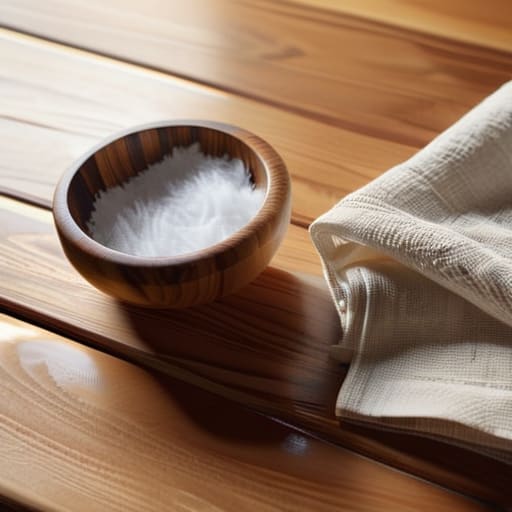
Before you start scrubbing, let’s get one thing straight: you don’t need a garage full of specialized, chemical-heavy gadgets to get the job done. I’ve spent way too much money in my twenties on “miracle” sprays that do nothing but smell like fake lemons. Instead, I stick to a streamlined deep cleaning supplies list that actually works. You really only need a few high-quality basics: a reliable degreaser, white vinegar, baking soda, microfiber cloths, and a stiff-bristled brush for those stubborn grout lines.
If you’re tackling how to deep clean kitchen and bathroom areas, the goal is efficiency, not complexity. A good spray bottle, a couple of non-scratch sponges, and a sturdy vacuum with a crevice tool will cover 90% of your needs. I always keep my kit in a single, portable caddy so I’m not wasting half my afternoon running back and forth to the under-sink cabinet. By keeping your tools minimalist and functional, you spend less time hunting for supplies and more time actually crossing tasks off your list.
A Realistic Seasonal Cleaning Schedule That Actually Works

The biggest mistake I see people make is trying to tackle the entire house in a single weekend. That’s a recipe for burnout, and frankly, it’s why most people give up before they even start. Instead, I swear by a seasonal cleaning schedule that breaks things down into manageable chunks. Think of it like a project management sprint: you aren’t trying to finish the whole marathon at once; you’re just hitting specific milestones. By spreading the workload across a few months, you avoid that overwhelming “everything is dirty” panic.
I like to rotate my focus based on the time of year. For instance, I use my spring cleaning tips for home to tackle the heavy lifting like windows and baseboards when the weather shifts. During other seasons, I focus on more specific room by room cleaning tasks, like deep-cleaning the pantry in the fall or refreshing the upholstery in the summer. If you stick to a consistent home maintenance cleaning routine, you’ll find that the “deep clean” actually becomes a series of small, easy wins rather than a massive, soul-crushing chore.
5 Pro-Tips to Stop Cleaning in Circles
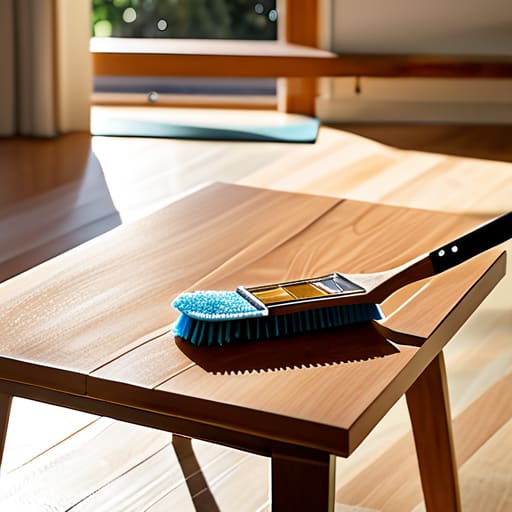
- Work from the top down. It sounds obvious, but I’ve wasted way too many afternoons dusting a coffee table only to have ceiling fan debris rain down on it five minutes later. Start with the vents and light fixtures, and let the dirt fall to the floor where you can actually vacuum it up at the end.
- Use the “One Room, One Goal” rule. Looking at a whole-house checklist is a recipe for burnout. Pick one room, set a timer for 45 minutes, and focus entirely on that space. It’s much easier to stay motivated when you can actually see a finished product instead of a half-done house.
- Don’t buy “specialty” cleaners for everything. Most of the time, you just need a good degreaser, some white vinegar, and a decent microfiber cloth. You don’t need a different $15 bottle for every single surface in your apartment; that’s just clutter you don’t need.
- Tackle the “invisible” grime first. We usually focus on what we see, but the real funk lives in the things we touch every day—light switches, door handles, and remote controls. Wiping these down takes thirty seconds but makes the whole place feel significantly cleaner.
- Batch your tasks to save your momentum. If you’ve already got the vacuum out to clean the rugs, go ahead and hit the upholstery or the baseboards while you’re in the zone. Switching tools constantly is a time-killer, so try to group similar tasks together to keep your flow going.
The Bottom Line: How to Clean Without Losing Your Mind
Focus on progress, not perfection; a surface cleaned is better than a deep clean that never actually happens because you’re overwhelmed.
Stick to the schedule I laid out to avoid the “all-day cleaning marathon” that ruins your entire weekend.
Invest in quality tools once so you aren’t wasting money on cheap plastic junk that breaks right when you actually need it.
## The Real Goal of a Deep Clean
“A deep cleaning checklist isn’t about achieving some impossible, Pinterest-perfect standard; it’s about clearing the mental clutter of a messy home so you can actually breathe and get back to the things that matter.”
Julian Reese Miller
Getting It Done and Moving On

Look, I know that staring at a massive deep cleaning checklist can feel like looking at a mountain you aren’t prepared to climb. But once you have your basic supplies ready and you’ve slotted tasks into a realistic seasonal schedule, the mountain starts to look a lot more like a series of small, manageable hills. You don’t need to tackle every single room in a single weekend to see the benefit. By breaking it down into these specific, actionable steps, you stop reacting to the mess and start taking control of your environment on your own terms.
At the end of the day, the goal isn’t to have a showroom-perfect house that you’re too afraid to actually live in. The goal is to clear the clutter and the grime so that your home becomes a place where you can actually recharge and find some peace. Don’t let the pursuit of perfection become another chore on your to-do list. Get the scrubbing done, put the multi-tool away, and get back to the things that actually matter. You’ve earned the right to sit down and relax in a space that feels clean.
Frequently Asked Questions
How do I tackle a deep clean if I only have a couple of hours on a weekend?
Look, I get it. Most of us don’t have a whole Saturday to disappear into a cleaning frenzy. If you’ve only got a two-hour window, stop trying to do everything. Focus on the “high-impact” zones: clear the kitchen counters, scrub the bathroom sink and toilet, and hit the main living area floor. Don’t get distracted by organizing junk drawers. Pick your battles, move fast, and once the timer hits zero, you’re done.
Are there specific cleaning products I can skip to save money without sacrificing results?
Look, you don’t need a specialized spray for every single square inch of your apartment. Most of those “targeted” cleaners are just overpriced water and marketing. You can absolutely skip the expensive glass cleaners, heavy-duty degreasers, and niche surface polishes. If you have dish soap, white vinegar, and baking soda, you can tackle about 90% of your home. Save your money for things that actually matter—like better groceries or a new synth component.
How do I keep the house from falling back into a mess immediately after I finish the checklist?
The secret isn’t a new cleaning spree; it’s about stopping the bleed. I call it the “one-touch rule.” If you pick something up, don’t put it down—put it away. It takes five seconds now versus twenty minutes of scrubbing later. Also, try the “ten-minute reset” every night before you crash. Set a timer, clear the surfaces, and prep for tomorrow. It keeps the chaos at bay so you aren’t constantly playing catch-up.