 Home
Home
Quick Bedroom Refresh Ideas You Can Finish in One…
I spent three hours last weekend staring at my bedroom wall, scrolling through Pinterest and feeling increasingly convinced that I needed a complete renovation and a massive credit line just to feel “at peace.” The internet is obsessed with telling you that a real change requires designer rugs, custom lighting, and a total overhaul of your furniture. Honestly, it’s exhausting. Most of those high-end bedroom refresh ideas you see online are designed to sell you something, not to actually help you live better. You don’t need a showroom-ready sanctuary; you just need a space that doesn’t feel like it’s closing in on you.
I’m not here to sell you a lifestyle or a specific brand of expensive linen. My goal is to give you the exact, actionable steps to reclaim your space without the stress or the massive price tag. I’ve spent years learning how to make small, urban spaces work for me through efficiency and smart DIY, and I’m going to share those same shortcuts with you. We’re going to focus on high-impact, low-effort tweaks that actually move the needle, so you can stop overthinking your decor and get back to actually relaxing.
Table of Contents
Mastering the Modern Bedroom Aesthetic on a Budget
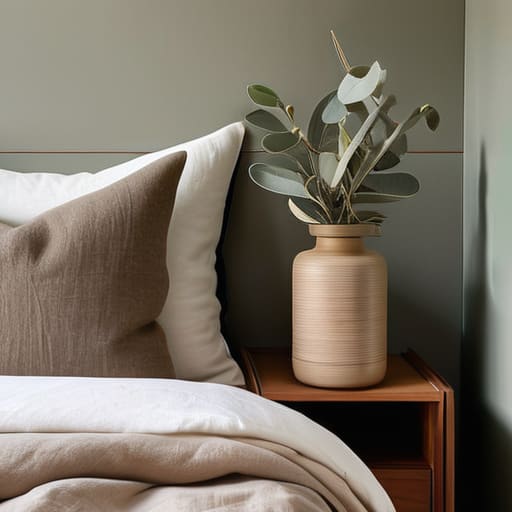
Look, you don’t need to spend a month’s rent at a high-end furniture showroom to nail a modern bedroom aesthetic. Most of the time, we get caught up in the idea that “new” has to mean “expensive,” but that’s a trap. Instead of replacing your heavy, outdated dresser, think about how you can shift the energy of the room through intentional, low-cost choices. I’ve found that focusing on a cohesive bedroom color palette inspiration—think muted earth tones or soft greys—does more heavy lifting than any piece of designer furniture ever could. It creates a visual baseline that makes everything else look like it belongs.
Once you have your colors dialed in, focus on the tactile stuff. This is where most people miss the mark. Instead of buying a whole new bedding set, try textile layering for bedrooms by mixing textures you already own. Throw a heavy knit blanket over a linen duvet or add a couple of velvet pillows. It adds depth and that “lived-in” luxury feel without the luxury price tag. It’s about making the space feel curated, not just cluttered.
Small Bedroom Styling Tips to Reclaim Your Space
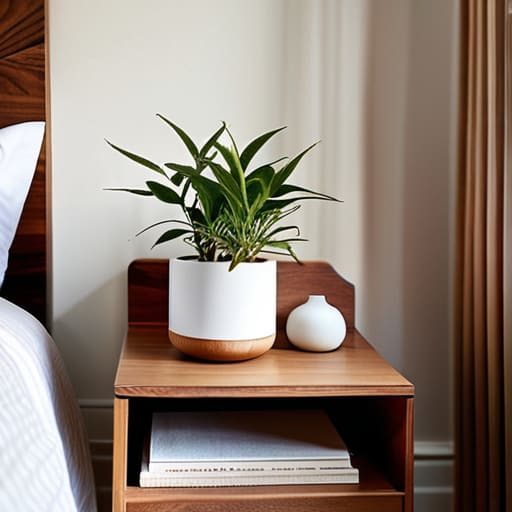
If you’re dealing with a cramped floor plan, the biggest mistake is trying to cram too much into the room. I’ve learned the hard way that clutter is the enemy of calm. Instead of hunting for more storage bins, focus on verticality. Use floating shelves to get your books and trinkets off the nightstand, and try to keep your surfaces as clear as possible. When you’re looking for small bedroom styling tips, remember that visual breathing room is more important than having every single decorative item on display.
Another way to make a tight space feel intentional rather than crowded is through texture. I’m a big believer in textile layering for bedrooms because it adds depth without needing extra furniture. Swap out a heavy, bulky comforter for a lighter linen set, and add a single, well-placed throw blanket. It makes the bed look inviting and high-end without swallowing up the room. If you stick to a cohesive bedroom color palette inspiration—think soft neutrals or muted tones—the whole space will feel more expansive and much less chaotic.
Five Quick Wins to Reset Your Space
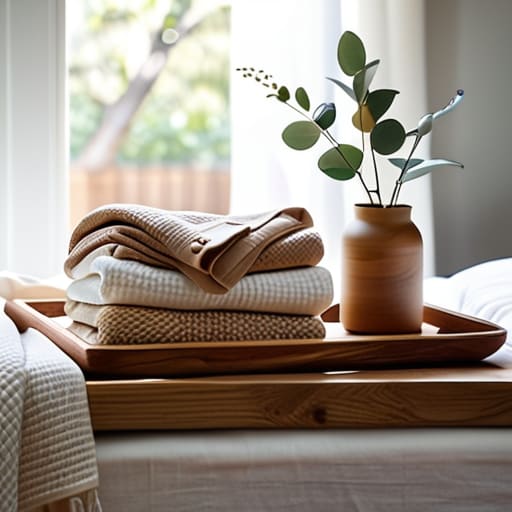
- Audit your lighting. If you’re still relying on that harsh overhead light, stop. Grab a cheap warm-toned lamp or even a string of Edison bulbs to create a softer, more intentional vibe that actually helps you wind down.
- Clear the visual clutter. We all have that “everything chair” where clothes pile up, but it kills the calm. Set a timer for ten minutes, clear your surfaces, and if you don’t use it, move it out of the bedroom entirely.
- Swap your textiles. You don’t need a whole new bed frame; just get some high-quality cotton or linen sheets in a solid color. It’s the easiest way to make a room feel expensive without the designer price tag.
- Fix the squeaks and wobbles. Since I always have my multi-tool on me, I can’t stress this enough: check your bed frame and nightstands. Tightening a few loose screws can instantly make a room feel more “solid” and less like a DIY project gone wrong.
- Bring in something living. A single low-maintenance plant, like a snake plant, does more for the air quality and the “feel” of a room than any expensive piece of art ever could. It adds life without adding complexity.
The Bottom Line: Less Stress, More Comfort
Focus on high-impact, low-cost changes like new bedding or better lighting rather than trying to overhaul the entire room at once.
If you’re working with a small space, prioritize decluttering and multi-functional furniture to keep things from feeling cramped.
Don’t get caught up in perfectionism; a bedroom should be a functional sanctuary for rest, not a showroom that requires constant maintenance.
## The Real Goal of a Refresh
“A bedroom refresh isn’t about chasing a Pinterest trend or buying a whole new set of furniture; it’s about stripping away the clutter and the chaos so that when you finally hit the pillow, your brain actually knows it’s time to shut off.”
Julian Reese Miller
Getting It Done
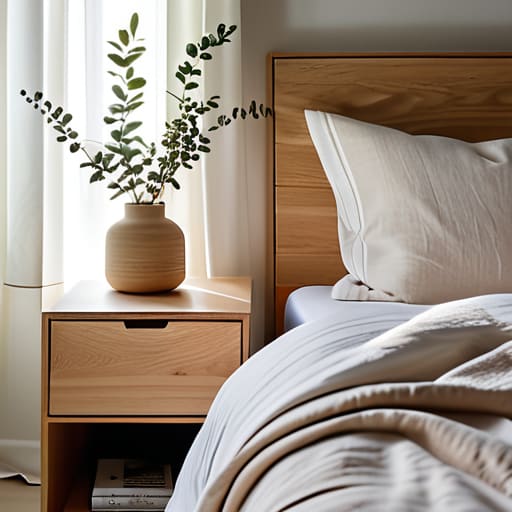
At the end of the day, refreshing your bedroom isn’t about chasing every fleeting interior design trend you see on your feed. It’s about the practical application of what we’ve talked about: optimizing your layout to reclaim floor space, choosing functional decor that fits your budget, and leaning into a minimalist aesthetic that actually lets you breathe. Whether you’re swapping out old textiles to change the vibe or finally organizing that cluttered nightstand, the goal is to create a space that works for you, not against you. You don’t need a massive renovation project or a professional decorator to make these changes happen; you just need a clear plan and a little bit of momentum to strip away the clutter and make room for rest.
My advice? Don’t feel like you have to tackle the whole room in a single weekend. Start with one small, manageable task—maybe it’s just clearing off a surface or replacing a single pillowcase—and build from there. The most important part of this process is that you actually enjoy the result rather than feeling exhausted by the effort it took to get there. Your bedroom should be your sanctuary, a place where you can finally switch off and recharge without looking at a pile of unfinished “to-do” items. So, grab your multi-tool, pick one corner, and start making space for yourself.
Frequently Asked Questions
I don't have much extra cash right now—are there any specific DIY projects that actually look good and aren't just a waste of time?
Look, I get it. Most DIY “hacks” you see online are just expensive ways to make something look worse. If you want actual results without wasting a Saturday, skip the complicated furniture builds. Instead, try swapping out your old, mismatched hardware for matte black or brass knobs on your nightstands. It’s a ten-minute job that feels high-end. Or, grab some contact paper to refresh a tired dresser surface. Simple, functional, and zero clutter.
My bedroom is tiny and feels cluttered even when it's clean; how do I add style without making the room feel even smaller?
The trick is to stop thinking about “adding” things and start thinking about “integrating” them. When space is tight, every new decor piece feels like an intruder. Stick to a tight color palette—think monochromatic or low-contrast tones—to prevent visual noise. Use vertical space with floating shelves instead of bulky nightstands, and swap heavy curtains for light, airy fabrics. If it doesn’t serve a purpose or pull its weight visually, leave it out.
I'm not really a "decorator," so how do I pick colors or textures that won't make the space feel overwhelming or messy?
Look, I’m not a designer either, and I hate clutter as much as anyone. The trick is to stick to a “base” of neutrals—think whites, greys, or soft beiges—for your big items like bedding and rugs. Once that foundation is calm, you can add one or two textures, like a chunky knit throw or a linen pillow, to add depth without the visual noise. Keep the palette tight, and you won’t feel overwhelmed.