 Home
Home
Easy Ways to Make Your Home More Sustainable and…
I used to think going green meant spending my entire weekend researching biodegradable detergents or dropping a month’s rent on high-tech solar gadgets that probably wouldn’t even work in my cramped apartment. Honestly, the way “sustainability” is marketed makes it feel like a luxury club for people with endless time and even deeper pockets. It’s exhausting. I’ve spent way too many hours scrolling through endless lists of eco friendly home tips that feel more like a chore list than actual lifestyle changes. We’ve been told that if we aren’t living completely off the grid, we’re failing, and frankly, that’s just nonsense.
I’m not here to sell you on a lifestyle overhaul that requires a PhD in environmental science. Instead, I want to give you the practical, low-effort wins that actually move the needle without draining your bank account or your sanity. I’ve stripped away the fluff to bring you a handful of tested, realistic swaps that work in a real home. My goal is to help you trim the waste and save some cash, so you can stop worrying about your footprint and get back to living your life.
Table of Contents
Reducing Household Carbon Footprint Without the Complexity
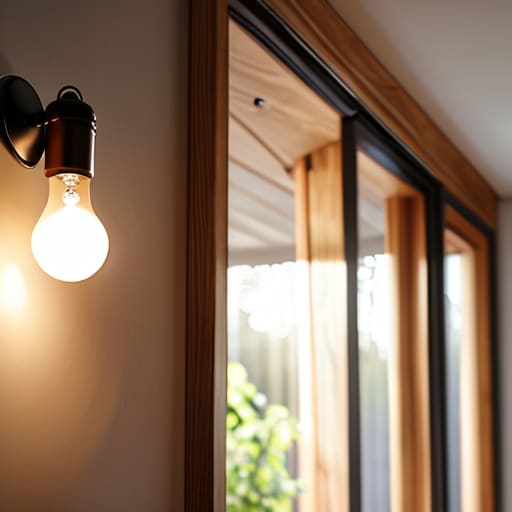
Look, I get it. When you hear terms like “carbon footprint,” it sounds like you need to move into a yurt and live entirely off the grid. That’s not what I’m about. Reducing household carbon footprint doesn’t require a total lifestyle overhaul; it’s really just about spotting the small leaks in your daily routine. Start with the low-hanging fruit, like swapping out old, power-hungry lightbulbs for LEDs or finally getting around to those small energy efficient home improvements—like weatherstripping your front door—that stop your heat from escaping.
It’s also about changing how you view your “stuff.” I used to buy every new gadget that hit the shelf, but I’ve realized that true sustainability is often about buying less and maintaining more. Instead of tossing a half-used bottle of chemical cleaner, try switching to simple, eco friendly cleaning products you can actually understand. When you stop treating your home like a collection of disposable items and start treating it like a system you manage, everything gets easier. You save money, you save time, and you stop feeling like you’re constantly chasing a perfectionist’s standard.
Easy Energy Efficient Home Improvements for Busy People
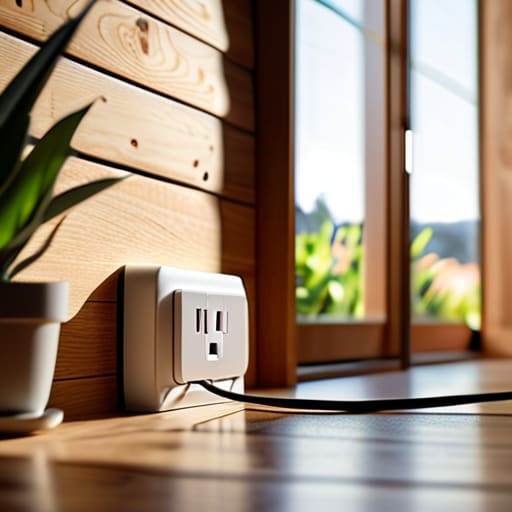
Most people hear “energy efficiency” and immediately think of installing solar panels or replacing every window in the house. That’s a massive project and a massive bill. I’m not about that. Instead, I look for the low-hanging fruit—the small, high-impact tweaks that save you money without requiring a contractor. Start with your power strips. If you’re like me, you probably have a dozen devices plugged in that aren’t even being used. Those “vampire loads” are just bleeding electricity (and cash) while you sleep. Switching to smart power strips is one of those effortless energy efficient home improvements that pays for itself in a few months.
Another quick win is tackling your thermostat and lighting. If you haven’t swapped your old bulbs for LEDs yet, do it this weekend. It’s a ten-minute job that makes a dent in your monthly bill. Pair that with a programmable thermostat to automate your heating and cooling; you shouldn’t have to manually adjust the temp every time you leave for work. It’s all about reducing household carbon footprint through automation, so you can stop thinking about it and just focus on your day.
Small Swaps That Actually Make a Difference

- Stop buying single-use plastic wrap. I finally switched to beeswax wraps a few months ago, and honestly, they work better for leftovers and keep my fridge looking less like a landfill.
- Audit your lighting. If you’re still using old incandescent bulbs, you’re basically burning money. Swap them for LEDs; they last forever and you won’t have to climb a ladder every three months to replace them.
- Master the art of the “low-flow” lifestyle. You don’t need a full bathroom remodel to save water; just grab some low-flow showerheads. It’s a ten-minute DIY job that lowers your utility bill immediately.
- Rethink your cleaning cabinet. Most of those expensive, neon-colored sprays are overkill. A bottle of white vinegar and some baking soda can handle about 80% of what you need, and it’s way easier on your lungs (and your wallet).
- Be intentional with your trash. Before you toss something, ask if it can be composted or recycled. I started a small compost bin under my sink, and it’s been a game-changer for reducing the sheer volume of waste I send to the curb.
The Bottom Line
Focus on small, high-impact changes—like swapping lightbulbs or sealing drafts—rather than trying to overhaul your entire lifestyle overnight.
Sustainability doesn’t have to be expensive; most eco-friendly habits are actually just better ways to save money on your monthly bills.
Don’t aim for perfection; just aim for progress so you can protect the planet without turning your home life into a stressful full-time job.
The Real Goal of Going Green
“Sustainability isn’t about achieving some impossible, zero-waste perfection overnight; it’s about making small, smart swaps that actually stick, so you can save a little money and help the planet without turning your life into a full-time chore.”
Julian Reese Miller
Making It Stick
At the end of the day, going green isn’t about a complete lifestyle overhaul or buying every expensive gadget labeled “sustainable” at the local boutique. It’s about the small, intentional shifts we talked about—switching to LED bulbs, being mindful of our energy usage, and making smarter, less wasteful choices in our daily routines. Whether you’re tackling energy efficiency to lower your utility bills or simplifying your waste to help the planet, the goal is the same: reducing your impact without adding unnecessary stress to your schedule. If you focus on one or two of these changes at a time, you’ll find that being eco-friendly actually becomes second nature rather than just another item on your never-ending to-do list.
I know that life can feel overwhelming enough as it is, and the weight of “saving the world” can feel like a heavy burden to carry. But remember, you don’t have to be perfect to make a difference. Real change doesn’t come from a handful of people doing sustainability perfectly; it comes from millions of us doing it imperfectly, one small step at a time. So, pick one thing from this list, get it done, and then get back to living your life. You’ve got this, and honestly, the planet is better off for it.
Frequently Asked Questions
I want to go green, but I'm on a tight budget—which changes should I prioritize first to get the most bang for my buck?
Look, I get it. You want to do the right thing, but your bank account isn’t exactly screaming “sustainability overhaul.” Start with the low-hanging fruit: swap your old bulbs for LEDs and stop letting the water run while you brush your teeth. If you have a few bucks to spare, grab some weatherstripping to seal those drafty windows. These tiny, cheap tweaks slash your utility bills immediately, which is the best way to fund your bigger green goals later.
Are these eco-friendly swaps actually going to save me time, or am I just adding more chores to my weekly to-do list?
Look, I get it. The last thing you need is a “sustainable lifestyle” that feels like a part-time job. If a swap makes your life harder, it’s not a good swap. I focus on the high-impact, low-effort stuff—like switching to concentrated cleaners or smart power strips. These aren’t just better for the planet; they actually cut down on shopping trips and mindless energy waste. We’re aiming for efficiency, not extra chores.
How do I know if the "sustainable" products I'm buying are actually making a difference or if it's just clever marketing?
Look, I’ve fallen for the “green” packaging trap more than once. The easiest way to spot the fakes is to ignore the pretty leaves on the label and look for actual certifications—think FSC for wood or Leaping Bunny for cruelty-free. If a brand uses vague words like “natural” or “eco-conscious” without explaining why, they’re probably just selling you hype. Stick to transparency; if they can’t explain their supply chain, put it back on the shelf.