 Food
Food
Fast and Safe Vegetable Prep Skills
I used to think that if I didn’t own a set of professional-grade Japanese steel knives and a dozen specialized mandolines, I was doing it wrong. I’d spend forty minutes standing over a cutting board, wrestling with a bell pepper and a dull blade, wondering why cooking felt like a second job instead of a way to unwind. But here’s the truth: you don’t need a culinary degree or a massive kitchen budget to master how to prep vegetables efficiently. Most of those “pro tips” you see online are just ways to make a simple task feel unnecessarily intimidating.
I’m not here to teach you how to make decorative radish roses or anything else that wastes your precious time. My goal is to give you a streamlined, functional system that works for a busy life. I’ll show you the exact movements and basic tools you actually need so you can get through your prep work in half the time. We’re going to strip away the fluff and focus on pure efficiency, so you can finish your kitchen tasks and actually get back to living.
Table of Contents
Mastering Knife Skills for Cooking Without the Stress
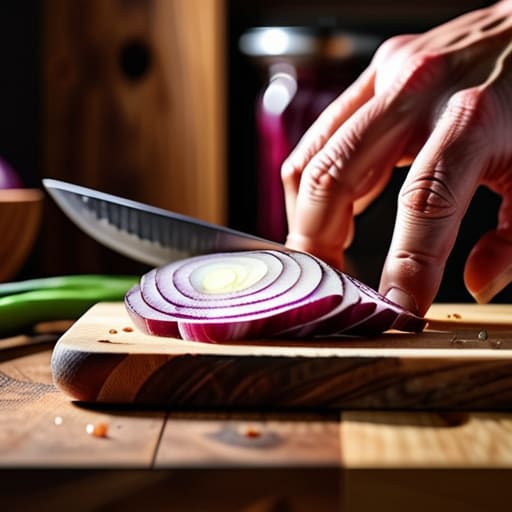
Look, I used to be terrified of my chef’s knife. I’d spend twenty minutes hacking away at an onion, sweating through my shirt, only to end up with uneven chunks that cooked at different rates. But here’s the truth: decent knife skills for cooking aren’t about speed or looking like a professional line cook; they’re about control and safety. If you aren’t confident with your blade, you’re going to be slow, and being slow is what makes cooking feel like a chore.
Start by investing in one decent, sharp knife and a stable cutting board—maybe even put a damp paper towel underneath the board to stop it from sliding. When you’re practicing meal prep for beginners, focus on the “claw grip.” Tuck your fingertips in and use your knuckles to guide the blade. This keeps your skin away from the edge and lets you work much faster than you think. Once you stop fighting the knife and start letting it do the work, you’ll find you actually enjoy the process instead of just trying to survive it.
The Essential Kitchen Tools for Vegetable Prep You Actually Need
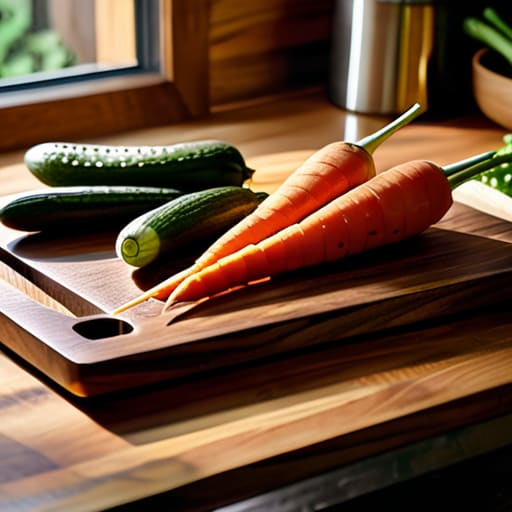
Look, you don’t need a professional-grade culinary suite or a set of expensive gadgets to get this done. I’ve learned the hard way that buying every tool on a “must-have” list is just a fast track to a cluttered drawer and a lighter wallet. For effective kitchen tools for vegetable prep, you really only need three things: a solid chef’s knife, a sturdy cutting board, and a sharp vegetable peeler. If your knife is dull, you’re fighting the food instead of prepping it, which is a massive waste of time.
Once you’ve got the basics down, I highly recommend picking up a large, high-quality mixing bowl and a few clear glass containers. The bowl is a game-changer for washing greens or tossing salads, and the containers are vital for batch cooking vegetables to save time later in the week. If you’re just starting out with meal prep for beginners, investing in a few airtight containers is the smartest move you can make. It keeps everything organized and prevents that mid-week “what’s for dinner” panic.
Five Ways to Stop Letting Prep Work Slow You Down
- Batch your work. Don’t chop one carrot, then cook it, then chop another. Spend twenty minutes on a Sunday or a Tuesday night cutting up everything you need for the next three days. It’s much easier to stay in the flow when you aren’t stopping every five minutes to wash a knife.
- Keep a “scrap bowl” on your counter. Nothing kills my momentum like having to walk to the trash can every time I peel a potato or trim a stem. Keep a single bowl next to your cutting board for all the waste, then dump it all at once when you’re finished.
- Dry your veggies thoroughly. If you pull a head of lettuce or some cucumbers out of the crisper drawer and they’re still wet, don’t bother chopping them immediately. They’ll just slide around the board and turn into a soggy mess. Pat them dry with a towel first so you actually have control.
- Organize your workspace before you start. Clear the clutter off your counter so you actually have room to move. I’ve learned the hard way that trying to prep veggies in a cramped, messy kitchen is a recipe for frustration and accidental nicks.
- Learn to prioritize your “hard” vegetables. If you have a pile of tasks, tackle the stuff that takes the most effort first—like peeling butternut squash or dicing onions—while your energy is high. Save the quick stuff, like slicing a bell pepper, for when you’re starting to wind down.
The Bottom Line: Prep Smarter, Not Harder
Focus on the tools you already own; you don’t need a professional chef’s kit, just one sharp knife and a stable cutting board to get the job done.
Prioritize consistency over speed—uniform pieces cook more evenly, which means less time hovering over a hot stove wondering if everything is done.
Batch your prep whenever you have a spare twenty minutes so that when the actual cooking starts, you’re just assembling rather than scrambling.
The Real Goal of Prep
“Vegetable prep isn’t about becoming a Michelin-star chef; it’s about setting yourself up so that when you’re actually hungry, the cooking part feels like a breeze instead of a chore.”
Julian Reese Miller
Get In, Get Out, and Get Cooking
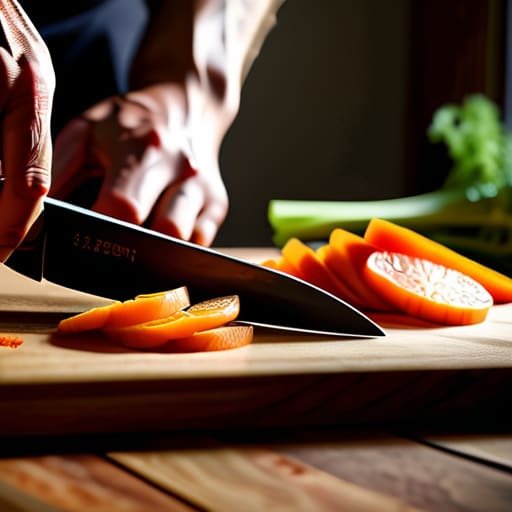
At the end of the day, prepping vegetables isn’t about achieving Michelin-star precision or having a kitchen full of gadgets you’ll never use. It’s about the basics: having a sharp knife that doesn’t fight you, a stable cutting board, and the confidence to handle a carrot or an onion without feeling like you’re performing surgery. Once you’ve mastered those fundamental skills and stripped away the unnecessary clutter, you’ll realize that efficiency is the ultimate kitchen hack. When you stop fighting your ingredients and start working with them, the whole process shifts from a tedious chore to a predictable, manageable part of your routine.
I know how it feels to stare at a pile of produce after a long workday and just want to order takeout instead. But I promise you, the moment you reclaim control over your prep, you reclaim your time and your health. Don’t aim for perfection on your first try; just aim to be a little more capable than you were yesterday. My goal isn’t to turn you into a professional chef, but to help you master the mundane so you can spend less time hovering over a cutting board and more time actually enjoying the meal you worked so hard to create. Now, go grab that knife and get to work.
Frequently Asked Questions
How can I prep my vegetables ahead of time without them getting soggy or losing their crunch?
The trick is moisture management. If you’re prepping greens or cruciferous veggies like broccoli, wash them, but make sure they are bone-dry before they hit the container—use a salad spinner if you have one. For everything else, use airtight glass containers and line the bottom with a dry paper towel to soak up excess humidity. It keeps things crisp and prevents that dreaded “slimy” texture, so you can grab them and go.
Is it worth investing in those expensive specialized gadgets, or can I get by with just a standard chef's knife?
Look, I’ve spent enough time tinkering with old gear to know that more tools don’t always mean better results. Save your money. You don’t need a specialized mandoline or a fancy herb scissor to get the job done. A decent, sharp chef’s knife is your workhorse. If you master that one tool, you can handle almost anything. Invest in a high-quality blade instead of a drawer full of plastic gadgets you’ll use once.
What’s the best way to store prepped veggies so I’m not throwing half of them away by Thursday?
Stop letting your hard work rot in the crisper drawer. If you’ve chopped everything up, the key is managing moisture. For leafy greens or herbs, tuck a dry paper towel into a container to soak up excess dampness. For hearty stuff like carrots or celery, keep them submerged in a jar of water—it’s a game changer. Treat your prep like a system: airtight containers are your best friend for reclaiming your week.