 Money
Saving for Your Dream Vacation Without the Financial Guilt
I used to think that if I wanted to see the world, I had to live like a monk for six months or win some ridiculous lottery. Every “expert” online seems to insist that you need a complex spreadsheet or a radical lifestyle overhaul to make travel happen, but honestly, that’s just exhausting. I spent way too many years staring at my bank balance and assuming a trip to Europe was a fantasy reserved for people with massive trust funds. The truth is, most of the advice on how to save for a vacation is unnecessarily complicated, designed to make you feel like you’re failing if you aren’t cutting out every single joy in your life.
I’m not here to tell you to stop drinking coffee or to start a side hustle that eats up your entire weekend. My approach is much simpler: we’re going to find the leaks in your current budget and plug them with minimal effort so you can actually afford to leave. I’m going to give you a practical, no-nonsense framework to build a travel fund without the burnout. No fluff, no complicated math—just the exact steps you need to get your money where it belongs so you can stop dreaming and start packing.
Table of Contents
Mastering How to Create a Travel Budget That Actually Works

Most people fail at this because they try to guess a single “magic number” for the whole trip. That’s a recipe for stress. To actually succeed at how to create a travel budget, you need to break it down into three distinct buckets: the big stuff (flights and lodging), the mid-tier (food and transit), and the “sanity” fund (that random cocktail by the beach or a museum entry fee). If you don’t account for the small, daily leaks, you’ll find yourself checking your banking app every ten minutes while you’re supposed to be relaxing.
Once you have those numbers, stop trying to manage it all manually. I’m a big believer in automating the process so you don’t have to think about it. Set up a separate account—ideally one of the best high-yield savings accounts for travel—and schedule a weekly transfer. Even if it’s just twenty bucks, seeing that balance grow without you lifting a finger makes the goal feel real. It turns the math from a chore into a background process, leaving you more mental space to actually plan the fun stuff.
Reducing Daily Expenses for Vacation Funds Without Feeling Deprived

Look, I’m not here to tell you to stop buying coffee or live on lentils. That’s a fast track to burnout, and if you’re miserable while saving, you’ll end up blowing your entire fund on a “retail therapy” spree halfway through the process. Instead, I focus on reducing daily expenses for vacation funds by targeting the invisible leaks in my bank account. For me, it’s about the subscription creep. I spent a Saturday going through my statements and realized I was paying for three different streaming services I barely touched. Canceling those wasn’t a sacrifice; it was a strategic move to reclaim my money.
Another way I keep things painless is by automating the process. I don’t wait until the end of the month to see what’s left over—because let’s be honest, nothing is ever left over. I set up a recurring transfer to one of the best high-yield savings accounts for travel right after my paycheck hits. By treating that savings goal like a non-negotiable utility bill, the money disappears before I even have the chance to miss it. It’s about making the discipline invisible so you can focus on the destination.
5 ways to actually see that money grow
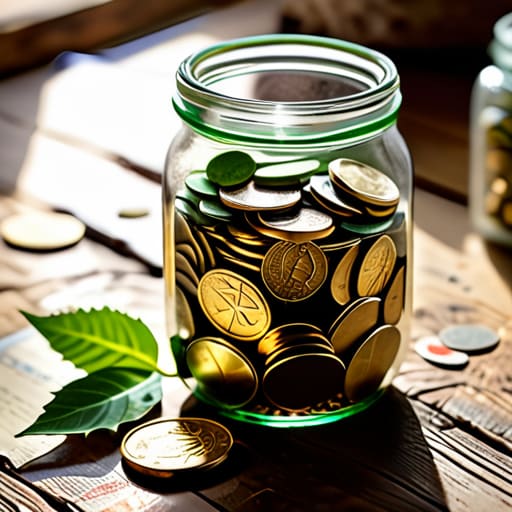
- Set up an automated transfer to a separate “vacation only” savings account the same day your paycheck hits. If you never see the money in your main checking account, you won’t miss it, and you won’t accidentally spend it on a random Friday night takeout order.
- Audit your subscriptions with a ruthless eye. I spent an hour last month realizing I was paying for three different streaming services I hadn’t touched in weeks; canceling those small, bleeding costs can easily fund a few nights in a decent hotel.
- Gamify your grocery runs by implementing a “pantry week” once a month. Challenge yourself to cook only using what you already have in the cupboards; the money you save on your usual grocery bill goes straight into the travel fund.
- Use a dedicated app or even just a simple spreadsheet to track your “vacation progress” rather than just your “spending.” Seeing that number climb toward your goal makes saying no to an impulse purchase feel like a win rather than a sacrifice.
- Sell the gear you aren’t using. Whether it’s that old synthesizer part gathering dust or clothes that don’t fit, turning clutter into cash is the fastest way to give your travel budget a sudden, unexpected boost.
The bottom line for your getaway
Don’t aim for perfection; just pick a realistic number and automate your savings so you don’t have to think about it every single week.
Focus on cutting the “invisible” costs—like those random subscriptions or impulse buys—rather than giving up the things you actually enjoy.
Treat your travel fund like a non-negotiable bill you owe yourself, because once that money is set aside, the stress of the cost disappears.
## The mindset shift
“Saving for a trip isn’t about punishing yourself in the present; it’s about making a deliberate trade so you can actually enjoy your time off without a side of financial guilt.”
Julian Reese Miller
Getting Out There

At the end of the day, saving for a trip isn’t about deprivation or living a life of constant restriction. It’s about making a conscious choice to trade a few small, mindless daily expenses for something that actually matters to you. We’ve covered how to build a budget that won’t fall apart by Tuesday, and how to trim the fat from your spending without feeling like you’re missing out on life. Once you have that automated system in place and your eyes are off the daily price tags, the momentum starts to take over. You aren’t just “saving money” anymore; you are actively building your escape hatch.
Don’t let the math paralyze you or wait until you have a massive windfall to start planning. The most important step is simply the one you take today, even if it’s just moving twenty bucks into a separate account. Life is far too short to spend it all staring at a spreadsheet or stressing over a bank balance. You deserve to see those new cities, taste that food, and actually unplug from the grind. So, stop overthinking the perfect strategy and just start. The world is waiting, and you’ve got this.
Frequently Asked Questions
How do I keep from dipping into my travel fund when an unexpected bill or a "must-have" sale pops up?
The easiest way to stop the bleeding is to make that money invisible. If your travel fund is sitting in your main checking account, you’ve already lost the battle; it looks like “available cash” to your brain. Open a separate high-yield savings account at a different bank. When that “must-have” sale hits, you won’t see the money, which makes it much harder to justify raiding it. Out of sight, out of mind.
Should I be putting this money into a high-yield savings account, or is a standard one fine for short-term goals?
Go with the high-yield savings account. If you’re looking at a timeline of a few months to a year, there’s no reason to let your vacation fund sit idle in a standard account earning next to nothing. A high-yield account is just as easy to set up, but it actually puts your money to work. It’s a small, effortless win that helps you reach your goal faster without extra effort.
Is it better to save one large lump sum right before the trip, or should I be chipping away at it months in advance?
Look, if you try to pull a massive lump sum out of thin air right before you fly, you’re going to stress yourself out and likely fail. It’s much easier to chip away at it. Think of it like a slow-burn synth patch—you build the layers gradually. Small, consistent transfers every payday take the sting out of the cost. It’s about building momentum so that when the trip arrives, the money is already there.