 Home
Stress-reducing Moving Tips for a Much Smoother Transition
I still remember the smell of stale coffee and industrial packing tape from my first big move into a tiny city apartment. I was surrounded by a mountain of half-taped boxes, staring at a bank account that was looking dangerously thin because I’d fallen for the trap of renting professional organizers and buying specialized, overpriced moving supplies. I thought I needed a military-grade operation to survive, but all I really needed was a better system. Most of the moving tips you find online are either designed to sell you a subscription service or are so overly complicated they feel like they require a project management certification just to pack a kitchen drawer.
I’m not here to sell you on a lifestyle overhaul or a fleet of expensive movers. My goal is much simpler: I want to give you the straightforward, tactical advice you actually need to get from Point A to Point B without losing your mind or your savings. We’re going to focus on high-impact, low-cost strategies that prioritize your time and your sanity. Consider this your no-nonsense roadmap to getting packed, getting moved, and finally getting back to your actual life.
Table of Contents
A Relocation Planning Timeline That Actually Works
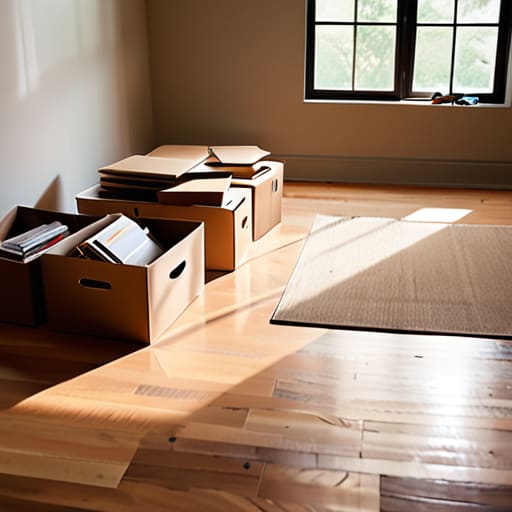
If you try to tackle everything in the week leading up to the big day, you’re going to burn out before you even lift a single box. I’ve learned the hard way that a successful move is all about the slow burn. Start your relocation planning timeline at least six weeks out. Use that first window to tackle the heavy lifting of decluttering before moving; if you haven’t touched it in a year, don’t waste your energy (or your budget) transporting it to the new place.
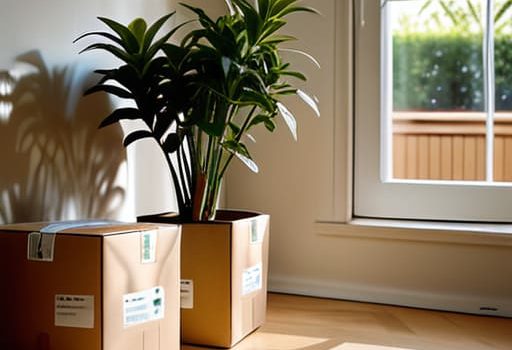
Once you’ve narrowed down what’s actually coming with you, move into the logistics phase. This is when you secure your help—whether that’s booking a professional crew or scouting out a reliable van—and start gathering your packing supplies essentials. Don’t just grab random grocery store boxes; invest in a few decent sets of uniform containers. It makes stacking them in a truck significantly easier and prevents that inevitable “box avalanche” when you’re trying to unload. Aim to have the non-essentials—the books, the off-season clothes, the decor—wrapped and boxed well before the final countdown begins.
Decluttering Before Moving to Save Your Sanity and Space
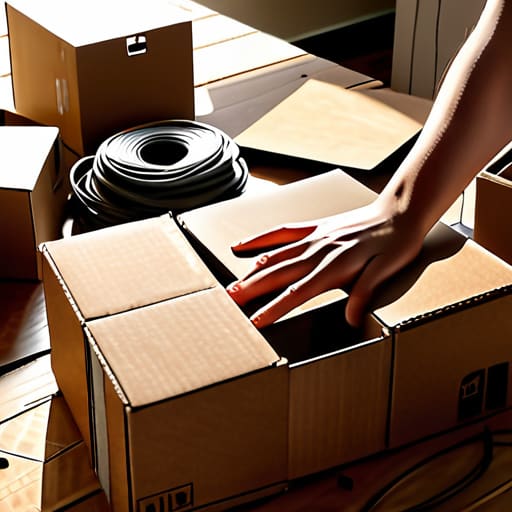
Look, I know the instinct is to just throw everything into a box and deal with it later, but trust me: that is a recipe for a massive headache. If you haven’t touched that stack of old cables or those kitchen gadgets in two years, you don’t need them in your new place. Decluttering before moving isn’t just about clearing space; it’s about saving your future self from the sheer exhaustion of unpacking junk you never wanted in the first place. I always tell myself that if it doesn’t serve a purpose or bring genuine joy, it doesn’t earn a spot in the moving truck.
Think of this as a way to lighten your load—literally. Every item you donate, sell, or toss is one less thing you have to account for when you’re budgeting for a move. It keeps your inventory low and your stress levels even lower. Grab a few heavy-duty trash bags and a stack of “donate” boxes, and start with one drawer. Once you see how much lighter your life feels without the excess, you’ll realize that being efficient is much better than being overwhelmed.
Five Ways to Stop the Moving Day Chaos Before It Starts
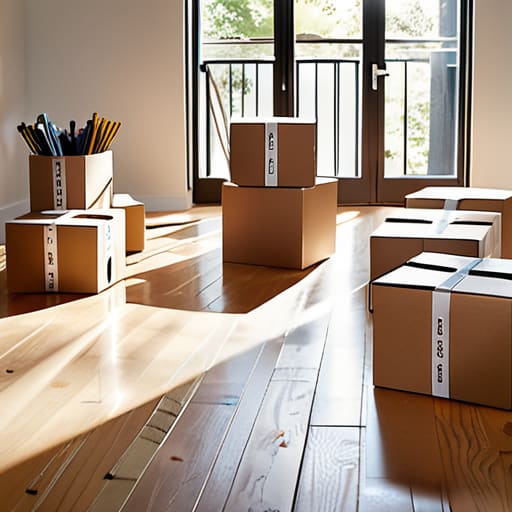
- Pack an “Essentials Box” for your first night. I’m talking about the stuff you’ll actually need at 10 PM when you’re too exhausted to hunt through taped-up cardboard: a change of clothes, basic toiletries, phone chargers, a few tools from my multi-tool kit, and maybe a coffee maker. If you have to dig through twenty boxes just to find your toothbrush, you’ve already lost the battle.
- Stop buying expensive bubble wrap and use what you already have. I’ve learned the hard way that your kitchen towels, thick winter socks, and even those old t-shirts you don’t wear anymore are better at protecting fragile gear than some overpriced plastic. It saves money, and it means you have less junk to pack and unpack later.
- Label your boxes by more than just “Kitchen” or “Bedroom.” Be specific. Write “Kitchen: Pots and Pans” or “Bedroom: Nightstand Drawer” on the side of the box, not just the top. It makes a massive difference when you’re trying to find one specific item in a stack of thirty boxes in your new living room.
- Take photos of your electronics before you unplug them. There is nothing more frustrating than getting settled into a new place only to realize you have no idea where the cord for your TV goes or how the router was set up. A quick snap with your phone saves you a massive headache during the setup phase.
- Don’t try to move everything in one giant, disorganized haul. If you can, break your move into smaller, manageable phases. Moving the “must-haves” first allows you to settle into the new space and get a sense of the layout before you’re buried under a mountain of miscellaneous clutter.
The Bottom Line for a Smoother Move
Stop trying to do everything at once; stick to a timeline that breaks tasks into manageable chunks so you aren’t pulling an all-nighter the week before the truck arrives.
If you haven’t touched it, worn it, or used it in a year, don’t pay someone to move it—decluttering now saves you massive amounts of money and physical effort later.
Focus on functionality over perfection; the goal isn’t to have a Pinterest-perfect moving process, it’s to get your stuff from A to B without losing your mind or your security deposit.
The Golden Rule of Moving
Moving isn’t about how many boxes you can stack; it’s about how much of your old chaos you can leave behind so you can actually start fresh in your new space.
Julian Reese Miller
The Finish Line Is Just the Beginning
Look, moving is undeniably a grind, but it doesn’t have to be a total catastrophe. By sticking to a realistic timeline, clearing out the junk you haven’t touched in two years, and keeping your supplies organized, you’ve already done the heavy lifting. The goal here wasn’t just to move boxes from point A to point B; it was to minimize the chaos so you aren’t spending your first month in a new place staring at a mountain of unidentifiable bubble wrap. If you follow these steps, you’re not just moving your stuff—you’re protecting your peace of mind while navigating one of life’s biggest transitions.
At the end of the day, remember that the house is just the container; it’s what you do inside it that actually matters. There will be moments when you can’t find the coffee maker or a random screw from a dismantled desk, and that’s okay. Don’t let the logistics rob you of the excitement that comes with a fresh start. Take a breath, unpack the essentials first, and focus on making the space yours. You’ve done the hard work of getting organized, so now go ahead and actually start living in your new home.
Frequently Asked Questions
How do I decide what's actually worth moving and what's just taking up space in a box?
Look, I get it. You’re staring at a box of old cables or kitchen gadgets and feeling paralyzed. Here’s my rule of thumb: if you haven’t touched it in a year, or if it costs less than $20 to replace, let it go. Don’t pay a mover to transport your “maybe one day” clutter. If it doesn’t serve a clear purpose in your new space, it’s not an asset—it’s just extra weight you’re paying to carry.
What are some cheap ways to pack fragile stuff without spending a fortune at a moving supply store?
Look, don’t go running to a moving supply store for bubble wrap; they’ll charge you a premium for something you can find for free. I usually raid my recycling bin first. Old newspapers, clean egg cartons, and even those thick cardboard dividers from appliance boxes work wonders. For glassware, grab some old thick socks or even your gym towels to wrap them in. It keeps things cushioned and saves you a decent chunk of cash.
How do I keep track of all my stuff so I'm not hunting for my coffee maker on the first morning in the new place?
The secret is a color-coded labeling system. Don’t just write “Kitchen” on a box; use bright tape or markers to designate specific zones like “Coffee Station” or “Morning Prep.” Better yet, keep an “Essentials Box” for your first 24 hours—toss in the coffee maker, your favorite mug, a few spoons, and the kettle. Label it clearly and keep it in your car, not the moving truck. You’ll thank me when you’re caffeinated by 7:00 AM.