 Home
Home
How to Use Lighting to Instantly Transform Any Room
I remember moving into my first city apartment and feeling like I was living inside a sterile hospital ward. I had one single, flickering overhead bulb that cast these harsh, unflattering shadows across everything, making it impossible to actually relax after a long day of project managing. I spent way too much time scrolling through expensive interior design blogs, convinced that I needed a professional decorator or a massive renovation budget to fix the vibe. But here’s the truth: most of those high-end home lighting tips you see online are designed to sell you things you don’t need. You don’t need a lighting designer to make a room feel warm; you just need to stop relying on that single, soul-crushing ceiling fixture.
I’m not here to pitch you on designer chandeliers or complex electrical overhauls. My goal is to give you the straightforward, low-effort tactics that actually work for real people with busy lives. I’ve spent enough time tinkering with analog gear and fixing up my own space to know that the best results come from layering simple sources. I’m going to walk you through exactly how to use lamps, bulbs, and placement to transform your space so you can stop fighting the shadows and finally feel at home.
Table of Contents
Mastering Layered Lighting Techniques Without the Headache
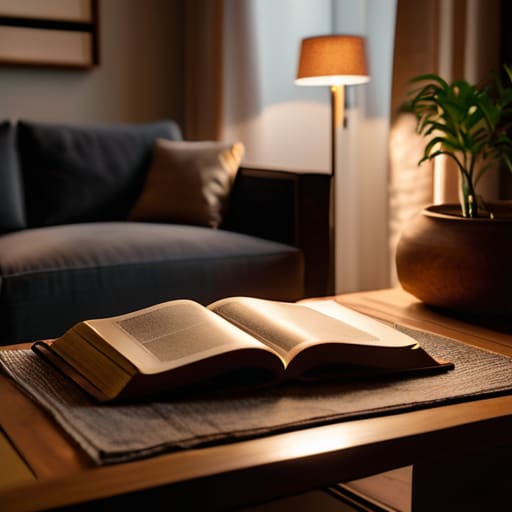
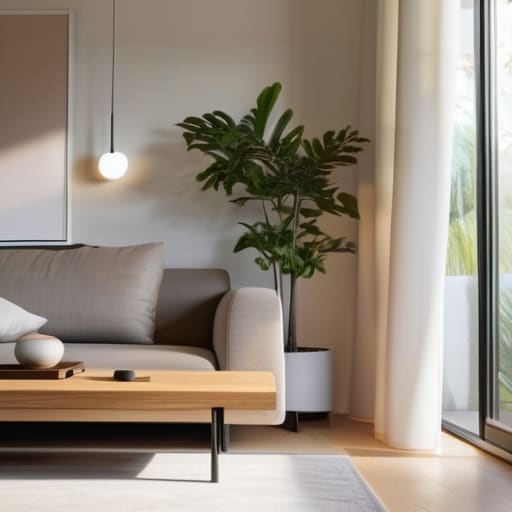
The biggest mistake I see people make is relying on a single, harsh overhead light that turns their living room into a sterile interrogation chamber. To fix this, you need to embrace layered lighting techniques. Think of it like building a sandwich; you need different levels to create depth. You start with your base layer, which is your ambient lighting—the general glow that fills the room. From there, you add task lighting, like a focused desk lamp or a reading light, to help you actually get things done without straining your eyes.
Once you have those basics down, it’s all about the mood. This is where the choice between warm vs cool light bulbs becomes a game changer. I personally swear by warm tones for the living area to keep things cozy, while I save the cooler, crisper light for the kitchen or workspace. If you really want to level up without a full renovation, install a few dimmers. The dimmer switch benefits are massive; they give you instant control over the vibe, allowing you to transition from “productive morning” to “relaxing evening” with a single turn.
The Simple Truth About Ambient vs Task Lighting Needs
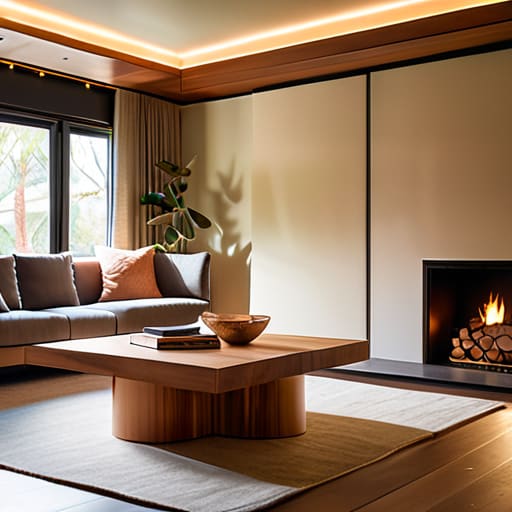
Look, I used to think that if a room was bright, it was “well-lit.” I’d just flip one switch and call it a day, only to end up squinting at a laptop or feeling like I was sitting in a sterile hospital wing. The reality is that understanding ambient vs task lighting is the difference between a space that feels functional and one that actually feels comfortable. Ambient lighting is your base layer—the general glow that fills the room so you aren’t tripping over the coffee table in the dark. It’s meant to be soft and unobtrusive, providing just enough visibility to move around safely.
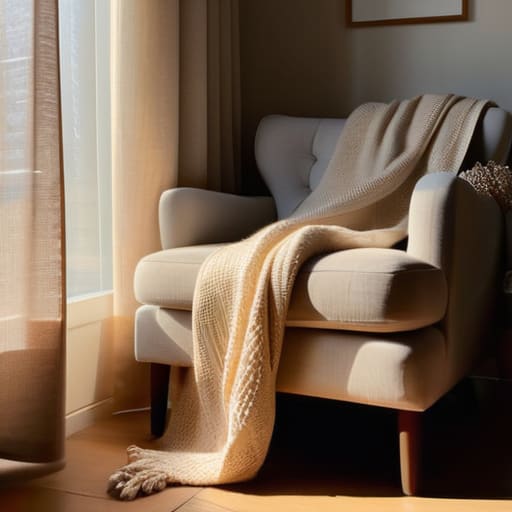
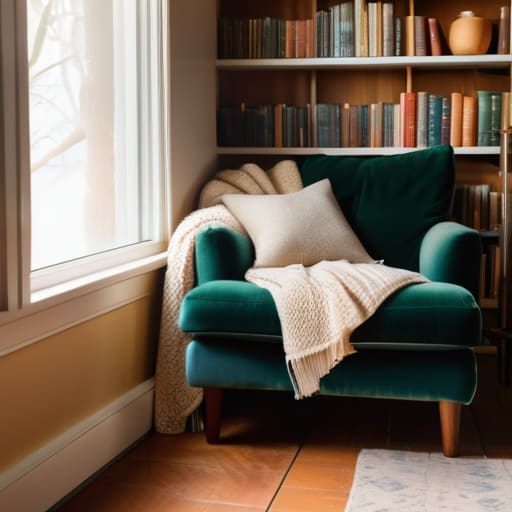
Task lighting, on the other hand, is where the real work happens. This is the focused beam you need when you’re actually doing something, like chopping vegetables in the kitchen or reading a book in your favorite armchair. If you try to rely solely on overhead lights for everything, you’ll end up with harsh shadows and eye strain. By separating these two needs, you stop fighting your environment and start making your home work for you. It’s not about buying more lamps; it’s about placing the right light where it actually matters.
Five Quick Wins to Fix Your Lighting Today
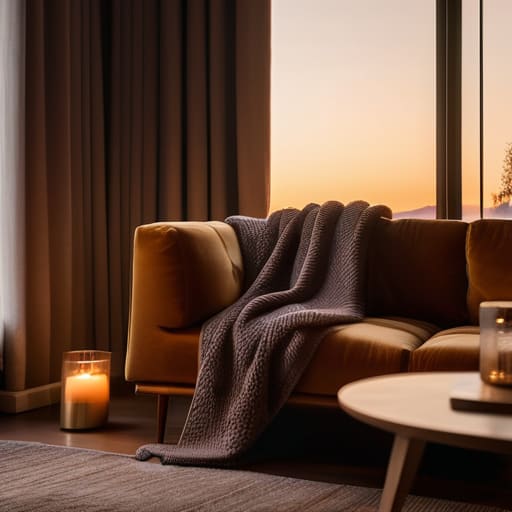
- Swap out those harsh, blue-toned bulbs for “warm white” versions. Most of the headache I deal with in my apartment comes from overhead lights that feel like a hospital waiting room; switching to a warmer Kelvin rating instantly makes a room feel lived-in rather than just “lit.”
- Stop relying on the “big light.” I used to think turning on the ceiling fixture was the only way to see, but it flattens everything. Instead, grab a couple of cheap floor lamps and tuck them into corners to create depth without needing a renovation.
- Use plug-in dimmers to take control. You don’t need to rewire your walls to change the mood. I keep a few of these in my toolkit because they allow you to transition a room from “focus mode” to “relax mode” in about five seconds.
- Direct your light where you actually use it. If you’re reading on the couch or chopping veggies in the kitchen, put a dedicated light source right there. It’s not just about seeing better; it’s about not straining your eyes and feeling drained by the end of the night.
- Clear the path for your light. It sounds overly simple, but I’ve realized that tall plants, bulky furniture, or even cluttered shelves can cast weird, distracting shadows. Keep the area around your lamps clear so the light can actually do its job.
The Bottom Line: Light Smarter, Not Harder
Don’t settle for one giant overhead light; mix ambient, task, and accent layers to actually make a room feel functional and comfortable.
Focus your budget on high-impact areas like your workspace or reading nook where you actually need the light to be useful.
You don’t need a renovation to fix a dark room—start with smart bulbs and strategic lamp placement to change the vibe instantly.
## The Philosophy of Light
“Good lighting isn’t about buying every expensive lamp on the showroom floor; it’s about knowing exactly where you need to see and where you need to breathe, so your home actually works for you instead of against you.”
Julian Reese Miller
Getting It Done
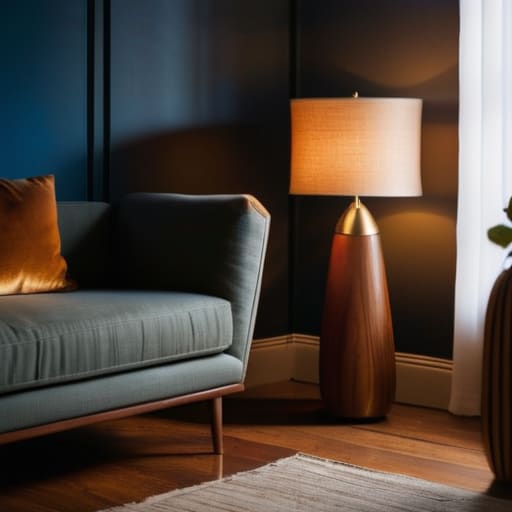
At the end of the day, improving your home’s lighting isn’t about buying a bunch of expensive designer fixtures or hiring an electrician to rewire your entire living room. It’s about being intentional with what you already have. Whether you’re layering different light sources to create depth, or simply swapping out a harsh overhead bulb for something a bit softer to help you unwind, the goal is to make your space work for you. Remember, it’s the small, strategic adjustments—like adding a well-placed task lamp to your desk or a warm floor lamp in a dark corner—that actually strip away the frustration of a poorly lit room.
Don’t let the idea of “home improvement” intimidate you into paralysis. You don’t need to get everything perfect on day one; just pick one corner of your apartment or house and start there. Once you see how a single change can completely shift the mood of a room, you’ll realize that being capable of managing your own environment is incredibly rewarding. My advice? Stop living in the shadows and start taking control of your space. Once you’ve got the lighting dialed in, you can finally stop fussing with the switches and get back to actually living your life.
Frequently Asked Questions
Do I really need to replace all my existing fixtures, or can I just swap out the bulbs to get a better vibe?
Honestly? Don’t go buying new fixtures just yet. That’s an easy way to blow your budget and waste an entire weekend on installation. Most of the time, the “vibe” isn’t the lamp itself—it’s the light coming out of it. Start by swapping your old bulbs for warm-toned LEDs. It’s a ten-minute fix that completely changes the mood. If the fixture is truly hideous or broken, then we talk replacements. For now, just swap the bulbs.
How do I pick the right "temperature" for my bulbs so my living room doesn't end up looking like a sterile hospital wing?
Look for the Kelvin scale on the box. To avoid that sterile, hospital vibe, stay away from anything labeled “Daylight” (5000K+) for your living room. That stuff is too blue and aggressive for relaxing. Aim for “Warm White,” which is usually between 2700K and 3000K. It mimics the soft glow of a sunset or a traditional incandescent bulb, making the space feel cozy rather than clinical. Keep it warm, and you’re golden.
Is it worth investing in smart bulbs and dimmers, or is that just adding another layer of tech-induced headache to my life?
Look, I’m all for efficiency, but I’m also a fan of things that actually work when you need them to. If you’re someone who loves tweaking settings from your phone, smart bulbs are great. But if you just want to dim the lights for a movie without fighting an app, stick to traditional smart dimmers. For me, a reliable physical dimmer is worth way more than a dozen “smart” features that might glitch.