 Home
Home
Smart Storage Solutions for Seasonal Items You Need to…
I used to think that mastering how to store seasonal items required a dedicated storage unit and a collection of custom-fitted, color-coded acrylic bins that cost more than my monthly grocery budget. I spent a weekend last October wrestling with tangled lights and heavy bins in my cramped apartment, feeling like I was losing a war against my own belongings. The truth is, most of the “organizational hacks” you see on social media are just expensive ways to clutter your life with more stuff you don’t actually need.
I’m not here to sell you a lifestyle overhaul or a thousand-dollar shelving system. My goal is to show you how to reclaim your space using what you already have, or at the very least, what you can find at a local hardware store for a few bucks. I’ll give you the exact, no-fluff steps to categorize, pack, and tuck away your gear so it stays protected without eating up your living area. Let’s get this sorted so you can get back to living instead of managing a warehouse in your spare bedroom.
Table of Contents
Smart Space Saving Storage Solutions That Actually Work
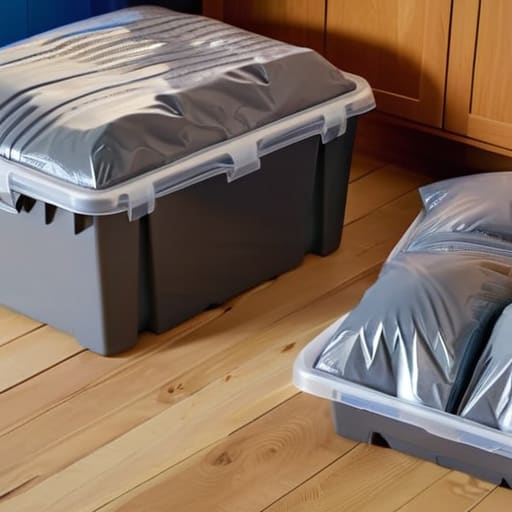
First, let’s talk about the gear. You don’t need a custom-built shelving unit; you just need to pick the best bins for seasonal storage based on what’s actually going inside. For heavy stuff like artificial trees or bulky winter coats, go with heavy-duty plastic totes that stack easily. If you’re organizing seasonal clothing, skip the cardboard boxes—they invite pests and can get crushed. Instead, use vacuum-seal bags for your heavy sweaters and puffer jackets. It shrinks the volume down to almost nothing, which is a total game-changer when you’re working with a tight apartment closet.
When it comes to the delicate stuff, like those heirloom glass baubles, don’t just toss them in a bin. I’ve learned the hard way that protecting fragile ornaments requires a bit of intentionality. Use clear, divided containers so you can actually see what’s inside without digging through everything. Most importantly, if you’re storing these in a basement or attic, toss in a few silica gel packets. It’s a cheap way of preventing moisture damage in storage, ensuring your holiday decoration organization doesn’t end with a pile of moldy, broken memories next year.
Picking the Best Bins for Seasonal Storage Without Overspending
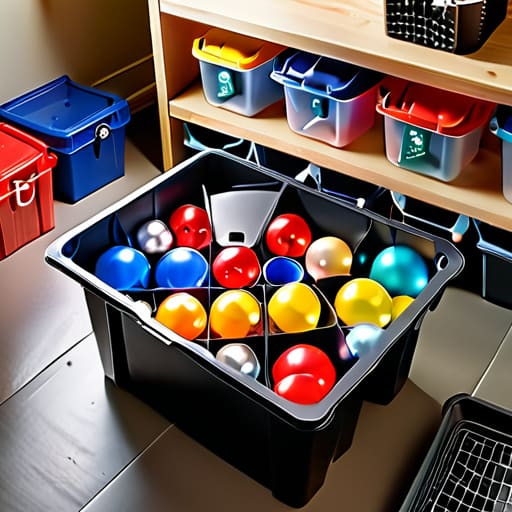
Look, you don’t need a professional organizing system or a custom-built closet to get this right. The biggest mistake I see is people buying those expensive, color-coded designer bins that look great on Instagram but eat up your budget. Instead, I recommend sticking to clear plastic totes with heavy-duty lids. Being able to see exactly what’s inside without cracking open five different boxes is a massive time-saver when you’re in a rush to get the tree up.
If you’re dealing with more delicate stuff, like holiday decoration organization for your heirloom pieces, don’t just toss them in a generic bin. I’ve learned the hard way that protecting fragile ornaments requires a bit more intent. Grab some inexpensive acid-free tissue paper or even just some clean bubble wrap to cushion the breaks. Also, if you’re tucking things away in a garage or attic, make sure the bins are airtight; preventing moisture damage in storage is the difference between a reusable sweater and a moldy mess. Just keep it functional, keep it sealed, and keep your cash in your pocket.
5 quick ways to keep your storage from becoming a black hole
- Label everything—and I mean everything. Don’t just write “Decorations” on a bin; write “Christmas: Ornaments, lights, tree skirt.” Future you will thank you when you aren’t digging through five different boxes just to find one string of LEDs.
- Use the “one-in, one-out” rule. If you’re buying a new set of Halloween lights, see if you can donate or toss that old, tangled mess from five years ago. Clutter is just a collection of things you don’t actually use.
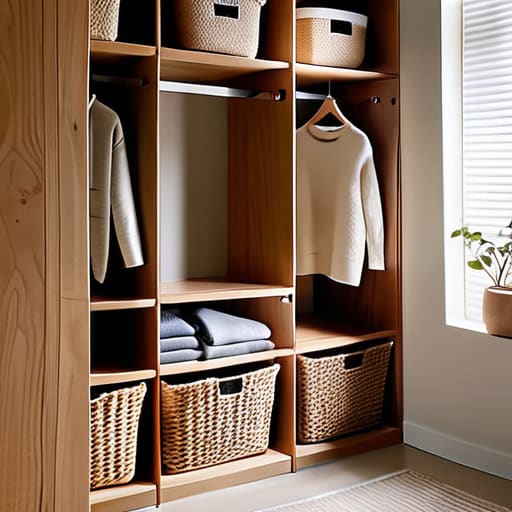
- Group by frequency, not just by type. Keep the stuff you use every single season—like extra blankets or heavy coats—in the most accessible spots, and shove the once-a-year holiday gear into the hardest-to-reach corners or high shelves.
- Don’t let the bags pile up. If you use those flimsy plastic storage bags, realize they’re going to rip and spill your stuff everywhere. Stick to hard-sided bins for anything fragile or heavy; it’s worth the extra few bucks to avoid a cleanup later.
- Take a photo before you close the lid. If you’re packing a box of complex items—like a holiday village or a specific set of tools—snap a quick picture on your phone and stick it to the side of the bin. It saves you from playing Tetris with your storage space later.
The bottom line on seasonal storage
Don’t buy a storage unit if you don’t have to; focus on maximizing the vertical space you already have in closets or under the bed.
Invest in clear, sturdy bins rather than cheap cardboard boxes so you can actually see what’s inside without playing a guessing game every time.
Make a “one-in, one-out” rule for your seasonal gear to ensure your storage containers don’t slowly turn into a graveyard for stuff you’ll never use again.
The philosophy of a clear space
“Storing seasonal gear isn’t about finding a perfect system; it’s about getting the clutter out of your line of sight so you can actually enjoy the season you’re currently in.”
Julian Reese Miller
Getting Your Space Back
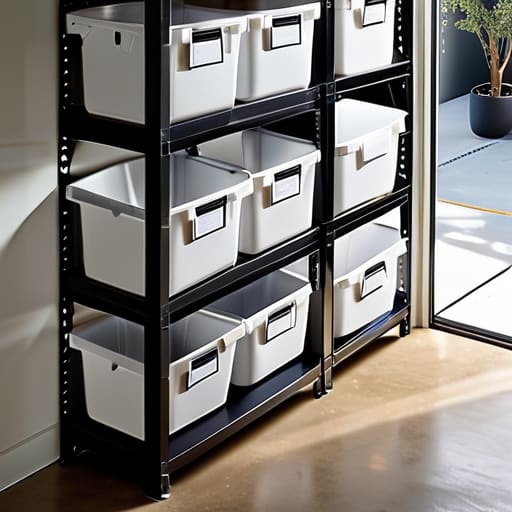
At the end of the day, storing seasonal gear isn’t about achieving some Pinterest-perfect museum aesthetic; it’s about reclaiming your environment. We’ve covered the essentials: choosing the right bins that won’t break the bank, utilizing vertical space so your floor stays clear, and being intentional about what you actually keep. Remember, the goal is to create a system where you aren’t hunting through a mountain of cardboard every time December rolls around. If you invest a little time now into smart, labeled organization, you’re essentially buying yourself hours of sanity later in the year.
I know it feels like just another chore on an already overflowing to-do list, but I promise you, the payoff is worth the effort. Once those bins are tucked away and your living room feels like a living room again, you’ll realize that being organized isn’t about being rigid—it’s about creating room to breathe. Don’t let your stuff dictate how much space you have to enjoy your life. Grab a few bins, get it done, and then get back to living. You’ve got this.
Frequently Asked Questions
How do I keep my holiday decorations from getting crushed or broken in those cheap plastic bins?
Look, I’ve definitely learned the hard way that shoving fragile ornaments into a bin is a recipe for a post-holiday headache. To keep things from getting crushed, stop relying on the bin itself for protection. Grab some cheap bubble wrap or even just some old newspaper to wrap the delicate stuff. If you’re on a budget, use your kitchen towels to cushion the bottom of the bin. It adds a little weight, but it saves your sanity.
Should I store my seasonal gear in the attic and basement, or is there a better way to save space?
Honestly, attics and basements are tempting because they’re “out of sight,” but they’re also where things go to die—or get ruined. Basements deal with humidity that eats electronics and fabric, and attics get way too hot for anything delicate. If you can, keep your gear in climate-controlled spots like under-bed storage or high closet shelves. It’s worth the extra effort to keep your stuff in one piece so you aren’t replacing it next year.
Is it actually worth buying vacuum-seal bags for things like heavy winter blankets and sweaters?
Honestly? For heavy blankets and bulky sweaters, yes—they’re a game changer. If you’re fighting for every inch of closet space, shrinking a massive duvet down to a pancake makes a huge difference. Just a heads-up: don’t use them for anything natural like down feathers or wool for long periods, as it can crush the fibers. Use them for synthetic blends or cotton, and you’ll reclaim your space without the headache.