 Home
Home
Effective Organization Hacks for Living in Small Spaces
I still remember the first time I moved into my city apartment; I was surrounded by a mountain of cardboard boxes, staring at a kitchen so narrow I could barely crack an egg without hitting a wall. I spent the first three months feeling like a guest in my own home, constantly tripping over shoes or digging through a junk drawer just to find a single screwdriver. I realized quickly that most advice regarding small space organization is either designed for people with unlimited budgets or people who live in minimalist showrooms. You don’t need a $500 custom shelving unit or a degree in interior design to stop feeling claustrophobic in your own living room.
I’m not here to sell you on a lifestyle overhaul or a collection of overpriced aesthetic bins. Instead, I’m going to give you the practical, low-cost tactics I’ve used to make my own cramped quarters actually functional. We’re going to focus on high-impact moves that reclaim your square footage and, more importantly, your sanity. This is about getting your stuff under control so you can actually enjoy your home, rather than spending your entire weekend just trying to find a place to put your keys.
Table of Contents
Decluttering Tiny Apartments Without Losing Your Mind
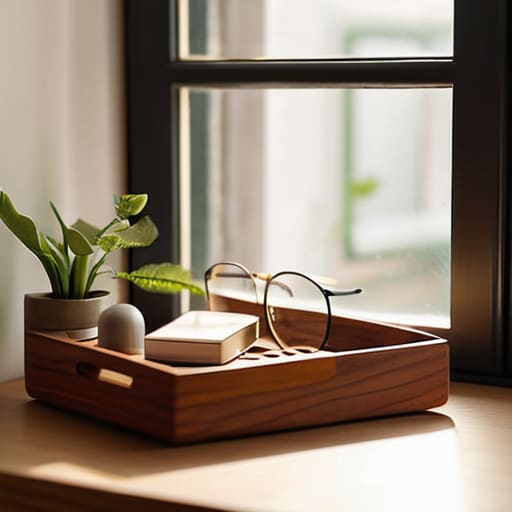
The biggest mistake I see people make is trying to organize things they don’t actually need. You can buy all the fancy bins in the world, but if you’re still tripping over old cables or clothes you haven’t worn since 2019, you haven’t solved the problem; you’ve just moved the mess around. When it comes to decluttering tiny apartments, you have to be ruthless. I use a simple rule: if I haven’t touched it in six months and it doesn’t serve a specific, daily purpose, it’s gone.
Once the excess is out of the way, the goal shifts from getting rid of stuff to finding it a smarter home. This is where you stop looking at your floor and start looking at your walls. I’m a huge advocate for vertical storage solutions because, in a studio or a cramped one-bedroom, your walls are your most underutilized real estate. Instead of letting things pile up on every flat surface, get them up high. It clears the visual noise and makes the room feel like it can actually breathe again.
Smart Vertical Storage Solutions to Reclaim Your Walls
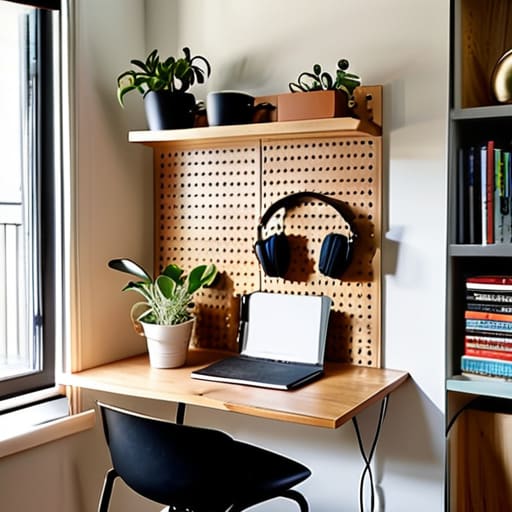
Once you’ve cleared the surface clutter, it’s time to stop looking at your floor and start looking at your walls. Most people treat their walls like they’re just there to hold up the ceiling, but in a cramped apartment, they are your most valuable real estate. I’m a big believer in using vertical storage solutions to lift your life off the ground. Think about floating shelves above your desk or heavy-duty pegboards in the kitchen. It’s not just about aesthetics; it’s about getting your tools, spices, or tech gear out of your walking path so you aren’t constantly side-stepping your own belongings.
If you can’t drill into the walls because of a landlord, don’t sweat it. You can still master the art of utilizing every inch with tension rods or freestanding tall shelving units. I’ve found that stacking things upward—even in a closet—changes the entire energy of a room. By implementing basic closet organization systems, like adding a second hanging rod, you suddenly double your capacity without adding a single square foot to your floor plan. It’s about working smarter, not harder.
Five Low-Effort Wins to Tighten Up Your Space
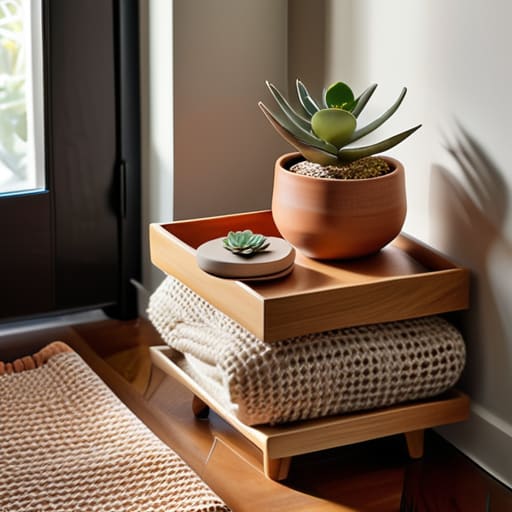
- Stop treating your furniture like static objects. If you’re going to have a coffee table, make sure it has drawers or a shelf underneath; if you’re buying a bed, get one with built-in storage. Every piece of furniture in a small apartment needs to pull double duty, or it’s just taking up precious real estate.
- Use the “One In, One Out” rule to keep the clutter from creeping back in. It sounds simple, but it works. If you buy a new pair of boots or a new kitchen gadget, something old has to go—donate it, sell it, or toss it. This keeps your inventory from exceeding your square footage.
- Invest in clear, stackable bins for your cabinets and closets. I learned this the hard way when I spent twenty minutes digging for a single spatula. If you can see exactly where everything is, you won’t end up pulling everything out of the cupboard just to find one thing, creating a mess in the process.
- Utilize the “dead space” behind doors and under sinks. Over-the-door organizers aren’t just for shoes; they’re perfect for cleaning supplies, toiletries, or even pantry staples. Similarly, a small tension rod or a tiered organizer under the sink can turn a chaotic corner into a functional zone.
- Group your “zones” logically to reduce mental friction. Keep your coffee pods right next to your mugs, and your keys right by the door. When everything has a logical home based on how you actually move through your day, you spend less time hunting for stuff and more time actually enjoying your space.
The Bottom Line: Making Your Space Work for You
Stop treating your floor like a storage unit; if it isn’t serving a daily purpose, it’s just taking up valuable real estate.
Think upward, not outward—utilizing your walls and vertical gaps is the fastest way to double your storage without moving to a bigger place.
Invest in multi-functional pieces that do double duty, so you aren’t buying furniture just for the sake of filling a corner.
The Philosophy of Enough
“Small space living isn’t about finding more room for your stuff; it’s about making sure your stuff doesn’t end up owning you. If a piece of furniture or a gadget doesn’t earn its keep by being useful, it’s just taking up mental real estate you can’t afford to lose.”
Julian Reese Miller
Making Your Space Work for You
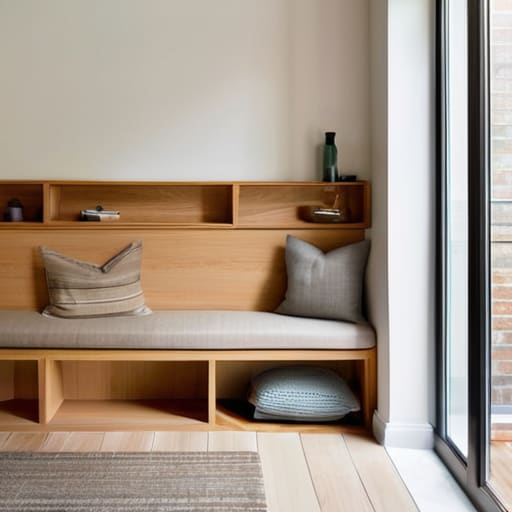
At the end of the day, organizing a small apartment isn’t about achieving some Pinterest-perfect aesthetic that you can’t possibly maintain. It’s about the practical application of what we’ve discussed: ruthlessly decluttering the things that don’t serve you, utilizing every inch of your vertical real estate, and choosing furniture that actually pulls its weight. If you can master the art of intentional living within these four walls, you stop fighting your floor plan and start actually enjoying it. Remember, the goal isn’t to have a museum; it’s to have a functional home where you can actually find your keys without a ten-minute search.
Don’t feel like you have to overhaul your entire life by tomorrow morning. Start with one drawer, one shelf, or even just one corner of your desk. Small, consistent wins are how you build a space that supports your lifestyle rather than draining your energy. You deserve a home that feels like a sanctuary, not a storage unit. Once you reclaim your space, you’ll realize you’ve also reclaimed your time and your peace of mind. Now, go grab that multi-tool, pick a spot to start, and get back to living.
Frequently Asked Questions
How do I organize a tiny kitchen without it feeling like a cluttered mess of gadgets?
The secret is to stop treating your kitchen like a showroom and start treating it like a workspace. If you haven’t used that bread maker or specialized egg slicer in a month, it’s taking up valuable real estate you can’t afford to lose. Keep your daily drivers—the knife, the pan, the cutting board—within arm’s reach. For everything else, use magnetic strips for knives or tiered organizers inside cabinets. If it doesn’t earn its keep, it goes.
What are some budget-friendly ways to add storage if I can't drill holes into my apartment walls?
If you’re renting, the last thing you want is a security deposit deduction because of a bunch of drill holes. I’ve been there. Instead of reaching for the power drill, lean into command hooks and tension rods. They’re lifesavers for hanging towels or organizing pantry items without the permanent damage. Also, don’t overlook heavy-duty freestanding shelving or rolling carts. They add massive storage capacity and, best of all, they move with you when you eventually upgrade.
How do I actually keep the clutter from coming back once I've finally organized everything?
The hardest part isn’t the cleaning; it’s the maintenance. To stop the creep, you need a “one-in, one-out” rule. If you buy a new gadget or a fresh pair of boots, something else has to go. Also, try the “two-minute rule”: if a task takes less than two minutes—like hanging up your coat or putting a dish in the dishwasher—do it immediately. Don’t let small messes become a mountain.