 Home
Home
Natural Ways to Keep Pests Out of Your House
I still remember the first time I saw a cockroach scuttling across my kitchen floor in my old city apartment. I didn’t panic, but I did feel that immediate, sinking realization that my “clean” space had been compromised. Most people think the answer is to drop a fortune on heavy-duty chemicals or call an exterminator for a subscription service you don’t actually need, but that’s just expensive overkill. Learning how to prevent pests at home shouldn’t feel like an all-out war or a drain on your bank account; it’s really just about closing the small gaps that people usually overlook.
I’m not here to sell you on some miracle spray or a complicated chemical regimen that leaves your place smelling like a lab. My goal is to give you a straightforward, tactical plan to secure your living space using common sense and a few basic tools. I’ve spent enough time fixing things myself to know that prevention is always more efficient than a cure. We’re going to look at the practical, low-effort steps you can take right now so you can stop worrying about bugs and get back to your actual life.
Table of Contents
Closing Common Household Pest Entry Points for Good
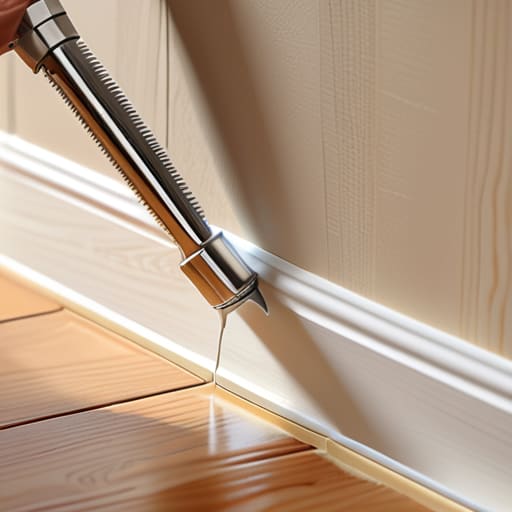
Think of your home like a fortress; if there’s even a tiny gap in the walls, something is going to try and squeeze through. Most people overlook the small stuff, but sealing cracks and crevices is where you actually win the war. Grab a tube of caulk and spend twenty minutes checking around your baseboards, window frames, and where pipes enter the walls under your sink. If you can see light through a gap, a cockroach or an ant can definitely find its way in.
Don’t forget the exterior, either. Check the weather stripping on your doors; if it’s worn down or looks compressed, it’s basically an open invitation for unwanted guests. I’ve found that simply reinforcing these common household pest entry points saves so much time and money in the long run compared to constantly buying sprays. It’s a bit of a weekend chore, sure, but once those gaps are closed, you can stop worrying about what’s crawling around in the dark and actually relax in your own space.
Sealing Cracks and Crevices Without the Massive Headache
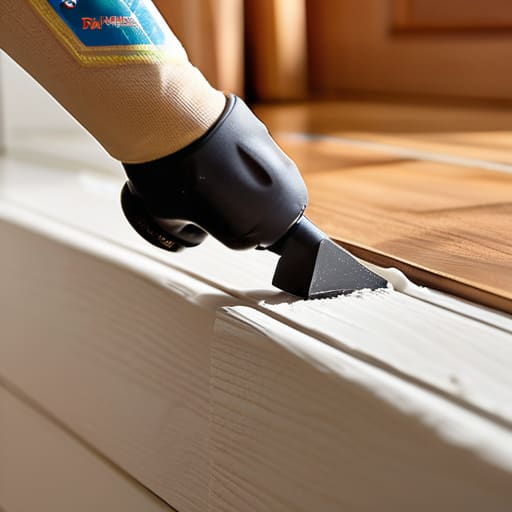
Once you’ve identified those entry points, you don’t need to call a contractor to handle the actual repair work. Most of the time, sealing cracks and crevices is a weekend project you can knock out with a single tube of silicone caulk and a cheap putty knife. I usually grab a small multi-tool to scrape out any loose debris or old, crumbling drywall first—it makes the new sealant stick much better. Focus your attention on the baseboards, where the wall meets the floor, and around any pipes running under your kitchen or bathroom sinks. If you can see light through a gap, a bug can definitely get through it.
Don’t overlook the smaller stuff, either. Tiny gaps around window frames or door sweeps are basically VIP entrances for ants and spiders. While you’re at it, keep an eye on your plumbing; moisture control for pest prevention is just as vital as the physical barriers. A leaky pipe under the sink creates a perfect little oasis for pests, so fix the drip at the same time you’re sealing the gaps. It’s about being proactive so you aren’t constantly playing catch-up later.
Five ways to starve them out and keep them away

- Stop leaving a buffet out for them; I’ve learned the hard way that even a few crumbs on the counter or an unrinsed jar in the sink is basically an open invitation for ants or roaches. Keep your counters wiped down and your food in airtight containers—it’s a small habit that saves a massive amount of stress.
- Manage your trash like a pro by using bins with tight-fitting lids. If your trash can is constantly leaking or smells like a landfill, you’re essentially running a local restaurant for pests. Empty it regularly and give the bin itself a quick scrub once a month to kill off any lingering scents.
- Watch your moisture levels. Pests like silverfish and cockroaches are obsessed with humidity, so fix that leaky faucet under the sink or the slow drip in the shower as soon as you notice it. A dry house is a much less attractive home to an intruder.
- Declutter your storage areas. If you have stacks of old cardboard boxes or piles of newspapers in the corner, you’re providing the perfect hiding spots and nesting materials. Swap those cardboard boxes for plastic bins; they’re harder to chew through and way easier to keep clean.
- Keep the perimeter clean. Don’t let heavy brush, tall weeds, or woodpiles press right up against your house walls. Creating a small “buffer zone” of gravel or just some clear space around your foundation makes it much harder for bugs to crawl straight from the garden into your living room.
The bottom line on keeping your space pest-free
Stop playing defense; focus on sealing entry points like cracks and gaps first so you aren’t just chasing bugs around once they’re already inside.
You don’t need a professional crew to do this—a basic tube of caulk and a little bit of patience are usually all you need to get the job done.
Keep it simple and consistent; small, proactive fixes are much easier than dealing with a full-blown infestation later.
## The mindset shift
“Preventing a pest problem isn’t about constant warfare or calling in a specialist every time you see a stray ant; it’s about being proactive with a few small, smart fixes so you can stop worrying about your kitchen and get back to your actual life.”
Julian Reese Miller
Keeping the Peace
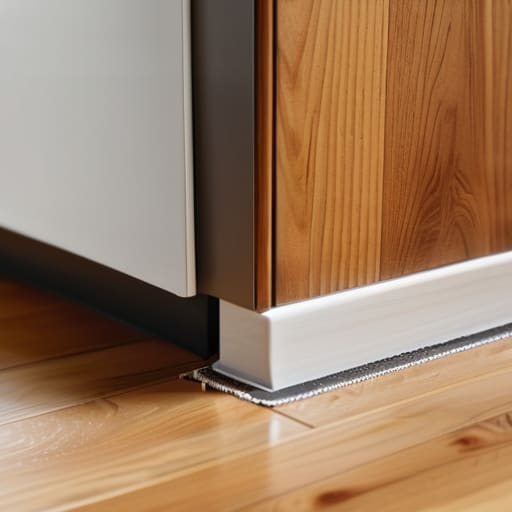
At the end of the day, keeping pests at bay isn’t about running a high-tech security system or hiring a crew of specialists every month. It’s really just about the small, consistent habits we talked about: plugging those gaps in your baseboards, managing your trash, and making sure your kitchen counters aren’t a buffet for unwanted guests. If you take the time to seal the entry points and keep your space tidy, you’ve already won half the battle. You don’t need to spend your entire weekend on pest control; you just need to be a little more intentional about maintaining your perimeter.
I know it can feel like a losing game sometimes, especially when you feel like you’re constantly playing catch-up with your home maintenance. But remember, the goal isn’t perfection—it’s about reclaiming your space so you can actually relax in it. Once you get these basic systems in place, you won’t have to think about them anymore. You’ve done the work, you’ve secured your home, and now you can get back to living your life without worrying about what’s crawling under the fridge. You’ve got this, and honestly, your future self will thank you for taking these few minutes today.
Frequently Asked Questions
I’ve already sealed the cracks, but how do I know if there are already bugs hiding inside my walls?
Look, I’ve been there—you do the work, seal the gaps, and then you just know something is still lurking behind the drywall. The best way to check without tearing your house apart is to play detective. Start by checking for “signs of life”: tiny droppings, odd smells, or even small holes in food packaging. If you’re really suspicious, grab a cheap flashlight and inspect the dark corners of your cabinets and baseboards.
Are there any specific scents or natural DIY sprays that actually work to keep them away, or is that just internet hype?
Look, I’ll be straight with you: most of those “essential oil magic” posts are pure hype. A peppermint spray might smell great in your kitchen, but it’s not a structural solution. It’s a temporary deterrent, not a fix. If you want to use scents, think of them as a secondary layer—like peppermint or eucalyptus around windows—but don’t rely on them to do the heavy lifting. Focus on the sealing first; the scents are just the cherry on top.
How often do I actually need to go back and check these entry points to make sure they haven't worn down or opened up again?
Look, I’m all for efficiency, so I’m not going to tell you to inspect your baseboards every single morning. That’s a recipe for burnout. Instead, aim for a quick walkthrough once a month—maybe when you’re doing your usual deep clean or switching out your filters. If you notice a change in the weather or a particularly heavy rainstorm, do a quick scan then. It only takes five minutes, and it saves you a massive headache later.