 Food
Food
Weekend Prep: Make-ahead Meals for Busy Weeknights
I remember standing in my tiny apartment kitchen last Tuesday, staring at a pile of wilted spinach and a half-empty jar of sauce, feeling that familiar, heavy knot of defeat in my chest. I had just finished a ten-hour freelance sprint, and the thought of actually cooking felt like trying to repair a vintage synth without a manual—completely overwhelming and frankly, exhausting. We’ve been sold this lie that make ahead meals have to involve five-hour Sunday marathons and a mountain of expensive, matching glass containers that take up half your pantry. It’s not about being a gourmet chef or a productivity robot; it’s about not eating cereal for dinner for the third night in a row because you’re too tired to function.
I’m not here to give you a list of complicated recipes that require a culinary degree and a grocery budget in the thousands. Instead, I’m going to show you my actual, stripped-down system for prepping food that fits into a real, messy life. We’re going to focus on high-impact, low-effort strategies that reclaim your evenings without turning your kitchen into a second job. My goal is to get you fed and back to your life, efficiently and simply.
Table of Contents
Weekly Meal Planning for Busy Families Without the Stress
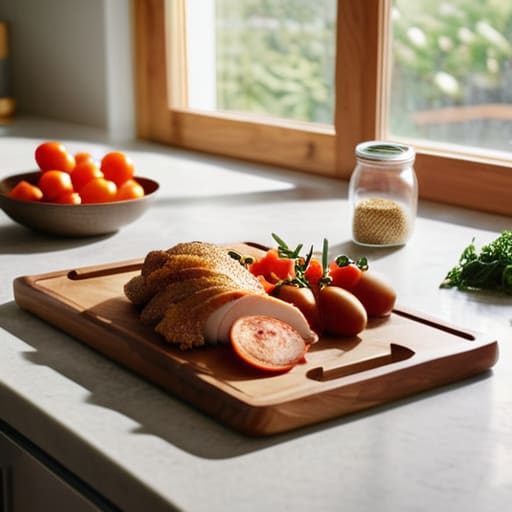
The biggest mistake I see people make is trying to plan a five-course gourmet menu every Sunday. That’s a recipe for burnout, not efficiency. When it comes to weekly meal planning for busy families, the secret is to stop thinking about individual recipes and start thinking about components. Instead of deciding exactly what you’re eating on Tuesday at 6:00 PM, just decide which proteins and grains you’re prepping in bulk. If you have a big batch of roasted chicken and a container of quinoa ready to go, you can pivot from a salad to a grain bowl in under five minutes.
I’ve learned the hard way that organization is only as good as your gear. If you’re serious about this, invest in some decent meal prep containers for freezing so you aren’t playing Tetris with mismatched Tupperware in your freezer. I like to keep things modular; prep your sauces and proteins separately so nothing gets mushy. This keeps your options open and ensures that when the chaos of a Tuesday evening hits, you aren’t just surviving on takeout—you’re actually eating well.
Healthy Meal Prep Ideas That Dont Taste Like Cardboard
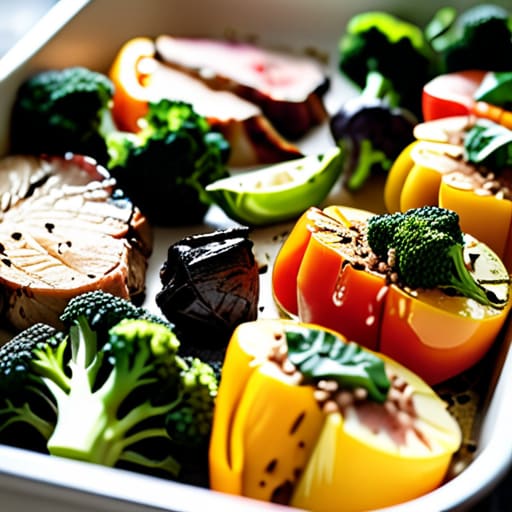
The biggest mistake I see people make is thinking that “prepped” equals “bland.” If your food tastes like wet cardboard by Wednesday, you’re going to quit, and I’m not here to help you fail. The secret isn’t just in the cooking; it’s in the texture and the acid. Instead of steaming everything into a mushy mess, try roasting your vegetables at a higher temperature to get those crispy edges, or use one pan meal prep recipes to let the juices from your protein season the rest of the tray.
Another pro tip for keeping things interesting is to prep your base components rather than full, heavy dishes. Think of it as building blocks. Roast a big batch of seasoned chicken, boil some quinoa, and chop some raw veggies. When it’s time to eat, you can mix and match flavors so you aren’t eating the exact same flavor profile five days in a row. If you’re looking for budget friendly batch cooking, focus on versatile staples like lentils or sweet potatoes that hold their integrity even after a few days in the fridge.
5 Ways to Prep Without Losing Your Entire Sunday
- Don’t try to cook everything from scratch in one go. If you’re making tacos, just prep the protein and the chopped veggies. It’s much faster to grab a pre-cooked chicken breast and some sliced peppers on a Tuesday than it is to start a whole new recipe.
- Invest in a decent set of matching glass containers. I know, it sounds like a cliché, but having containers that actually stack and seal properly saves a ridiculous amount of mental energy and fridge space. Plus, you can go straight from the container to the microwave without playing Tetris with plastic wrap.
- Use your freezer as a safety net. When you’re making a big batch of chili or soup, always make one extra portion and freeze it in a single-serve container. On those nights when you’re too exhausted to even look at a stove, you’ll have a “homemade” meal ready in minutes.
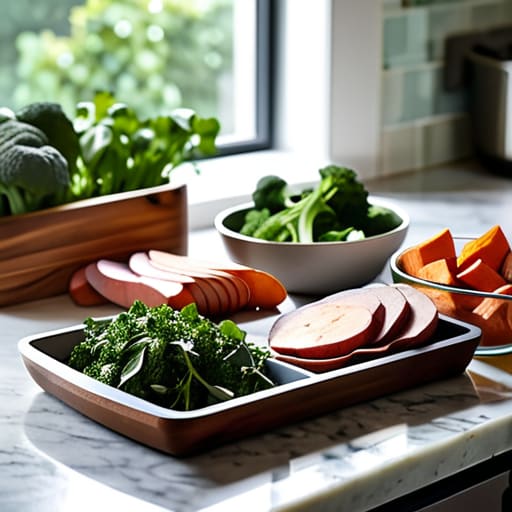
- Master the “component” method instead of the “set meal” method. Instead of making five identical servings of spaghetti, prep a big batch of roasted sweet potatoes, a tray of seasoned chicken, and some washed greens. You can mix and match those components throughout the week so you don’t get bored.
- Clean as you go, seriously. I used to leave the mountain of dishes for after the meal, but that’s how a quick prep session turns into a two-hour ordeal. If you wash the cutting board while the onions are sautéing, you actually get to sit down and relax once the food is done.
The Bottom Line
Don’t try to prep twenty different meals on a Sunday; pick two or three versatile bases and build from there so you don’t burn out by Tuesday.
Invest in decent, airtight containers early on—it’s a small upfront cost that prevents your hard work from turning into a science experiment in the back of the fridge.
Focus on “component prepping” rather than full recipes to give yourself the flexibility to actually enjoy your food instead of eating the exact same thing every single night.
The Real Goal of Prep
“Meal prepping isn’t about becoming a chef or spending your entire Sunday in the kitchen; it’s about buying back your Tuesday night so you can actually relax once the laptop closes.”
Julian Reese Miller
Getting Your Time Back
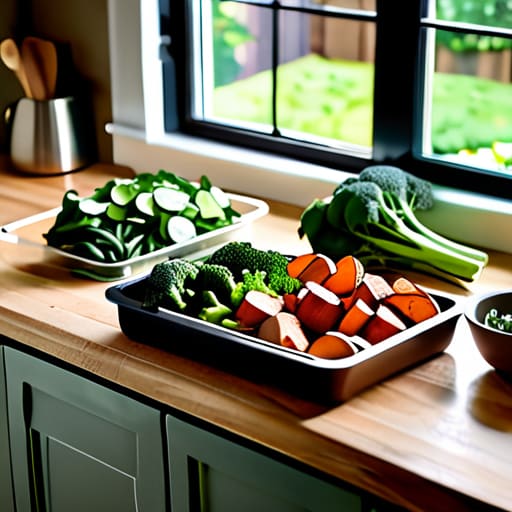
At the end of the day, making ahead meals isn’t about becoming a gourmet chef or spending your entire Sunday hunched over a cutting board. It’s about the small, tactical wins: planning your week so you aren’t scrambling, choosing ingredients that actually taste good after a reheat, and setting up a system that works for your specific schedule. Whether you’re prepping massive batches of grains or just chopping a few veggies to save ten minutes on a Tuesday night, every bit of effort you put in now is a deposit into your future sanity. You’ve got the tools and the plan; now you just need to execute.
I know how easy it is to let the “I’ll start next week” mentality take over, but don’t let the intimidation factor stop you from trying. You don’t need a perfect kitchen or a massive budget to reclaim your evenings. Start small—maybe just one meal this week—and see how much better it feels to sit down and eat without that looming sense of “what’s for dinner?” guilt hanging over your head. You deserve to stop working after work and actually enjoy the life you’re working so hard to build. Go get it done.
Frequently Asked Questions
How long can I actually keep these meals in the fridge before they start tasting off?
Look, I’ve learned the hard way that there’s a fine line between “efficient” and “eating something questionable.” Generally, you’re looking at a three to four-day window for most cooked meals. If you prep on Sunday, Thursday is your limit. If you need things to last longer, go for the freezer—it’s your best friend for avoiding waste. Just trust your nose; if it smells even slightly funky, toss it. It’s not worth the risk.
Do I really need to buy all those expensive glass containers, or can I just use what I already have?
Look, I’ve seen those aesthetic, matching glass sets all over Instagram, and honestly? You don’t need them. Don’t let the “perfect” kitchen setup intimidate you into spending money you should be saving. If you have old Tupperware or even just some decent deli containers, use them. The goal is efficiency and saving time, not building a museum. As long as they’re airtight and food-safe, just grab what you’ve got and start prepping.
What’s the best way to reheat everything so it doesn't end up soggy or dry?
The quickest way to ruin a good meal is the microwave “death zone”—that weird, rubbery texture or the soggy middle. If you’re using a microwave, splash a tiny bit of water over your food or cover it with a damp paper towel to trap steam. For leftovers that actually deserve respect, like pasta or roasted veggies, use a skillet on the stove with a knob of butter or a drizzle of oil. It brings the texture back to life.