 Home
Home
Easy Strategies for Staying Organized Even When You’re Busy
I used to think that keeping a home decent meant buying a dozen color-coded bins and spending my entire Saturday scrubbing baseboards with a toothbrush. I was wrong. Most of the “expert” advice you see online about how to keep your house tidy feels like it was designed for people with zero jobs and infinite patience. I’ve lived in cramped city apartments where a single pile of mail on the counter can make the whole place feel like it’s closing in on you, and I realized that the “Pinterest-perfect” lifestyle is just a recipe for burnout.
I’m not here to sell you a complicated organizational system or a suite of expensive gadgets you’ll never use. Instead, I want to show you how to build a few high-efficiency habits that actually stick. I’m going to give you the exact, no-nonsense steps I use to manage my own space so you can stop cleaning and start living. We’re going to focus on practical maintenance that fits into a busy schedule, because your home should be a place where you recharge, not a second job that never ends.
Table of Contents
Simple Decluttering Techniques for Beginners
Look, I used to think decluttering meant spending an entire weekend sweating over cardboard boxes in the middle of my living room. That’s a recipe for burnout. Instead, I’ve found that the most effective decluttering techniques for beginners involve working in small, manageable bursts. If you try to tackle the whole house at once, you’ll just end up creating a bigger mess and feeling defeated.
Start by picking one single drawer or even just one shelf. It sounds trivial, but it builds momentum. I like to use the “one-in, one-out” rule—whenever I bring something new into my apartment, something old has to go. This is one of those small minimalist living habits that keeps the chaos from creeping back in.
If a single drawer feels too daunting, try decluttering room by room, but set a timer for just fifteen minutes. When the timer goes off, you stop. This prevents the task from feeling like a second job and ensures you actually have time to sit down and relax once you’re done.
Building Home Organization Systems That Actually Work
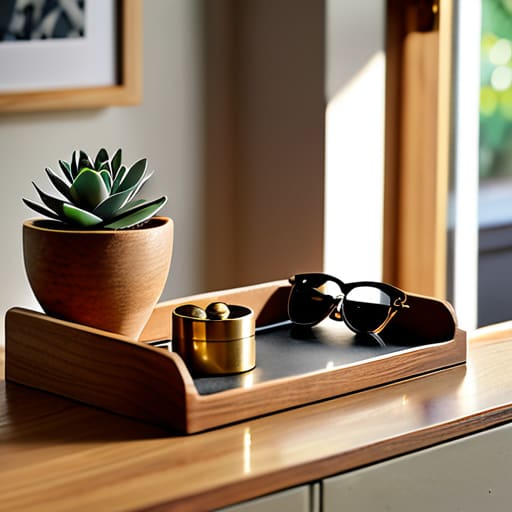
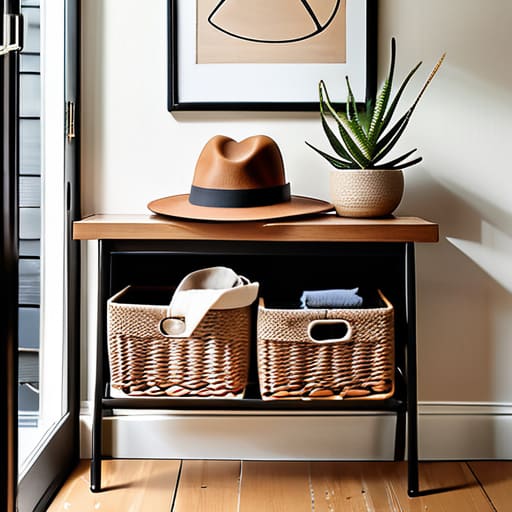
Once you’ve cleared the surface level, the next step is to stop the chaos from creeping back in. The mistake most people make is buying a bunch of expensive, aesthetic bins before they actually have a plan. You don’t need a Pinterest-perfect pantry; you need home organization systems that respect how you actually move through your space. If you always drop your keys on the kitchen island, don’t try to force yourself to put them in a basket in the hallway. Put a small tray right where you naturally land. Design your setup around your existing habits, not some idealized version of yourself.
The goal here is to minimize “friction”—that annoying mental hurdle that makes you avoid a task. I’ve found that implementing minimalist living habits, like the “one-in, one-out” rule, keeps things manageable without a massive time commitment. When everything has a designated, easy-to-reach home, you spend less time hunting for your charger and more time actually enjoying your evening. It’s about creating a flow that works for your real life, not a showroom.
Five Low-Effort Habits to Keep the Chaos at Bay
- The One-Minute Rule: If a task takes less than sixty seconds—like hanging up your coat, rinsing a bowl, or putting the mail in a bin—do it immediately. It stops the “micro-clutter” from snowballing into a weekend-long cleaning marathon.
- Reset Your Surfaces Every Night: Before you head to bed, spend five minutes clearing the kitchen counters and the coffee table. Waking up to clear surfaces changes your entire mental state for the morning.
- The “One In, One Out” Policy: To keep your stuff from creeping up on you, make a pact that for every new thing you bring into your apartment, something old has to leave. It’s a simple way to maintain a steady equilibrium.
- Don’t Leave a Room Empty-Handed: Whenever you’re moving from the living room to the kitchen, look around for one thing that belongs in the destination room. It’s mindless, but it keeps things moving without you ever feeling like you’re “cleaning.”
- Stop “Doom Piling”: We all do it—that one chair or corner where random items go to die. Instead of letting things pile up, designate a specific “landing strip” for your keys, wallet, and mail so they don’t migrate across the house.
The Bottom Line: Keep It Simple to Keep It Clean
Stop aiming for perfection and start aiming for consistency; a five-minute nightly reset is worth way more than a marathon cleaning session once a month.
If a system feels like a chore to maintain, it’s a bad system—toss the complex rules and stick to organization that fits your actual daily routine.
Focus on reclaiming your time, not just your floor space; the goal isn’t a museum-quality home, it’s a functional space that lets you get back to living.
The Real Goal of Tidying Up
“A tidy home isn’t about achieving some perfect, Pinterest-ready museum aesthetic; it’s about removing the friction from your daily life so you can stop managing your stuff and start actually living in your space.”
Julian Reese Miller
Getting Back to Living
At the end of the day, keeping a tidy house isn’t about achieving some impossible, Pinterest-perfect standard of living. It’s about the practical application of what we’ve talked about: stripping away the excess through smart decluttering and setting up systems that actually serve you rather than adding more work to your plate. Whether you’re focusing on small, daily habits or overhaulng your storage logic, the goal is the same. You want to move through your space without constantly tripping over clutter or feeling like you’re perpetually playing catch-up. Once you have these basics down, you stop managing your stuff and start managing your time.
I know it can feel overwhelming when you look at a messy room, but remember that you don’t have to fix everything in one weekend. Perfection is a trap that keeps you stuck in a cycle of cleaning instead of actually enjoying the home you’ve worked so hard to build. Take it one drawer, one shelf, or one room at a time. The real win isn’t a spotless house; it’s the mental clarity and extra hours you reclaim once the chaos is under control. Now, put down the cleaning supplies, step away from the project, and go do something that actually makes you happy. You’ve earned it.
Frequently Asked Questions
How do I stay consistent with tidying when my schedule is completely unpredictable?
When your schedule is a moving target, stop trying to find “big blocks” of time. They don’t exist. Instead, lean into the “micro-tidy.” If you have three minutes while the coffee brews or before you jump on a Zoom call, reset one surface. Don’t aim for a spotless house; aim for “functional enough.” Consistency isn’t about a four-hour cleaning spree on Sunday; it’s about those tiny, five-minute wins that prevent the chaos from snowballing.
I have a tiny apartment with zero storage; how do I organize without buying a bunch of expensive bins?
Look, I’ve lived in a shoebox apartment where even a stack of books felt like a clutter crisis. You don’t need a trip to a big-box retailer to fix this. Start by repurposing what you already have: shoe boxes for drawer dividers, glass jars for pantry staples, or even sturdy cardboard boxes for under-bed storage. It’s about using vertical space and existing containers to create order without draining your bank account.
What do I do with all the stuff I can't bring myself to throw away or donate yet?
Look, I get it. That “maybe one day” pile is a trap. When I’m stuck on a project or cleaning out a drawer, I use the “Quarantine Box” method. Put that stuff in a cardboard box, tape it shut, and write a date six months from now on the side. If you haven’t opened it by then, you don’t actually need it. Donate the whole box without looking inside. Don’t let sentimentality steal your space.