 Tech
Tech
Cloud Computing Explained: a Simple Breakdown
I remember sitting at my kitchen table three years ago, surrounded by three different external hard drives, a tangle of USB cables, and the mounting dread that I was one spilled coffee away from losing every single project I’d ever worked on. It felt like I was babysitting a pile of expensive plastic just to keep my digital life from collapsing. Most tech blogs will try to explain what is cloud computing by throwing a mountain of jargon at you—terms like “distributed architecture” or “virtualized resource pooling”—as if they’re trying to charge you an extra hourly rate just to understand the concept. But honestly? That’s just noise designed to make a simple concept feel more intimidating than it actually is.
I’m not here to give you a lecture or a sales pitch for some overpriced subscription service. My goal is to strip away the fluff and give you the straightforward reality of how this tech actually works for people with real lives and limited time. I’ll show you how to stop managing hardware and start leveraging these tools to reclaim your headspace, so you can focus on your work instead of your backups. This is about practicality, not hype.
Table of Contents
- The Simple Truth Behind Cloud Storage and Computing Architecture
- Getting on Demand Computing Resources Without the Massive Budget
- How to Use the Cloud Without Losing Your Mind (or Your Budget)
- The Bottom Line on Cloud Computing
- The Bottom Line on the Cloud
- Cutting Through the Noise
- Frequently Asked Questions
The Simple Truth Behind Cloud Storage and Computing Architecture

To get a handle on how this actually works, you have to stop thinking about “the cloud” as some mysterious, ethereal fog. In reality, it’s just someone else’s massive, high-end hardware sitting in a climate-controlled warehouse. When we talk about cloud storage and computing architecture, we’re really talking about how those remote servers are organized to handle your requests. Instead of you buying a physical hard drive that sits on your desk, you’re tapping into a vast network of interconnected processors and storage arrays that can scale up or down instantly.
The real magic happens through different service models, which basically dictate how much of the heavy lifting you do versus how much the provider handles. You’ll often hear terms like SaaS, PaaS, and IaaS thrown around. Think of it like this: IaaS is like renting a kitchen with all the appliances but bringing your own ingredients; SaaS is like ordering a meal that’s already cooked and ready to eat. Understanding these layers is the fastest way to stop feeling overwhelmed by the jargon and start choosing the right tools for your specific workflow.
Getting on Demand Computing Resources Without the Massive Budget
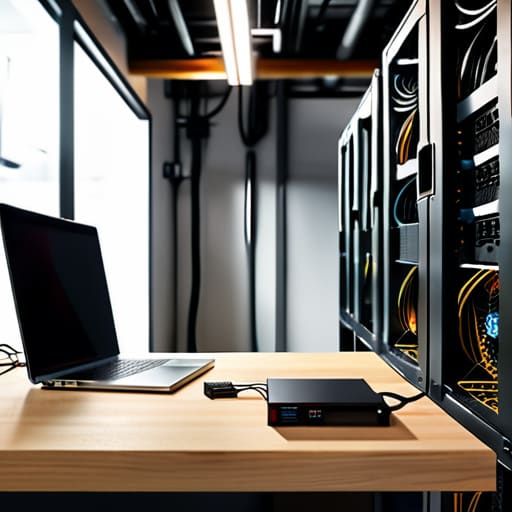
Here is the reality of the old way: if you wanted to run a serious digital project, you had to drop thousands on servers, cooling systems, and enough electricity to power a small suburb. It was a massive barrier to entry. With the shift toward on-demand computing resources, that barrier has basically evaporated. Instead of buying the whole factory, you’re just paying for the electricity you actually use. It’s the difference between owning a massive, expensive power generator in your backyard versus just plugging your laptop into the wall and paying a monthly utility bill.
To make this work for your specific needs, you really only need to understand the different cloud service models (SaaS, PaaS, and IaaS). Think of it like a scale of control versus convenience. If you just want to use an app like Gmail, that’s SaaS—it’s ready to go. If you’re a developer building something from scratch, you might want PaaS to handle the heavy lifting. Or, if you want total control over your virtual environment without the hardware headache, you go with IaaS. It’s all about choosing the right level of involvement so you aren’t wasting money on features you don’t need.
How to Use the Cloud Without Losing Your Mind (or Your Budget)

- Stop thinking about “the cloud” as a mysterious digital fog and start seeing it as a utility. Just like you don’t own a power plant to turn on your lights, you shouldn’t feel pressured to own massive servers to run your digital life. Use it for what it is: rented horsepower.
- Audit your storage before you upgrade. Most of us are paying for “premium” cloud tiers because we have a mountain of unorganized photos and old files we don’t even look at. Clean out the digital junk drawer first so you aren’t paying a monthly subscription for clutter.
- Prioritize “Hybrid” thinking. You don’t have to move everything to the cloud. Keep your most sensitive, heavy-duty files on a local physical drive if you want total control, and use the cloud for the stuff you actually need to access while you’re out and about.
- Set up automated backups, but verify them. There is nothing more frustrating than thinking your files are safe in the cloud only to realize your sync settings were broken for six months. Once a month, try to download something just to make sure the connection actually works.
- Watch the “hidden” costs of data egress. It’s easy to get caught up in how cheap it is to move data into the cloud, but some providers will charge you a premium when you try to pull that data back out. Always read the fine print on data transfer fees so you don’t get hit with a surprise bill.
The Bottom Line on Cloud Computing
Stop thinking about “the cloud” as some mystical digital fog and start seeing it as a practical way to rent high-end hardware and storage from someone else so you don’t have to buy, maintain, or fix it yourself.
The real win is the “on-demand” aspect; you only pay for the computing power you’re actually using, which keeps your budget predictable and prevents you from wasting money on expensive gear that sits idle.
Transitioning to the cloud isn’t about following a tech trend—it’s about reclaiming your time and mental energy by offloading the heavy lifting of infrastructure management to professionals.
The Bottom Line on the Cloud
“Think of cloud computing not as some abstract digital mystery, but as the ultimate way to outsource your technical headaches; it’s about stoping the endless cycle of buying, maintaining, and fixing hardware so you can finally focus on the work that actually matters.”
Julian Reese Miller
Cutting Through the Noise

At the end of the day, cloud computing isn’t some mystical, untouchable concept reserved for Silicon Valley engineers. It’s simply a shift from owning heavy, expensive hardware to renting the power you actually need exactly when you need it. We’ve covered how it replaces the physical headache of managing servers with the streamlined efficiency of on-demand storage and processing. Whether you’re a freelancer managing massive project files or just someone tired of running out of space on a hard drive, the goal is the same: stop managing the tools and start using them.
I know that tech jargon can feel like a barrier designed to keep you out, but don’t let it intimidate you. My philosophy has always been that being capable shouldn’t require a specialized degree; it just requires knowing which lever to pull. Once you wrap your head around the cloud, you realize it’s just another way to reclaim your time and your budget. Use these tools to automate the boring stuff and handle the heavy lifting in the background. Once the digital clutter is sorted, you can finally stop worrying about the “how” and get back to actually living your life.
Frequently Asked Questions
Is my data actually safe if it's living on someone else's server?
It’s the million-dollar question, and honestly, it’s a fair one. It feels weird to hand over the keys to your digital life. But here’s the reality: big providers like Google or Amazon usually have security budgets that dwarf anything a small business or individual could ever afford. They’ve got entire teams of experts guarding those servers 24/7. Just make sure you do your part—use strong, unique passwords and turn on two-factor authentication.
How much is this actually going to cost me monthly compared to my own hardware?
Look, the honest answer depends on your scale, but the math usually favors the cloud for most of us. If you’re buying hardware, you’re paying a massive upfront “tax” for servers and cooling that sit idle half the time. With the cloud, you’re paying a predictable monthly subscription based only on what you actually use. It turns a scary, unpredictable capital expense into a manageable utility bill, much like your electricity.
Do I need to be some kind of tech genius to actually set this stuff up and use it?
Not even close. Honestly, if you can navigate a smartphone or manage a shared Google Doc, you’ve already done the hard part. Most cloud services are built with “plug-and-play” interfaces because they know people are busy. You aren’t building the engine; you’re just learning which buttons to press to drive the car. It might feel a bit abstract at first, but once you get the hang of the basic settings, it’s incredibly intuitive.