 Tech
Tech
Effective Strategies to Spend Less Time on Your Phone
I was sitting at my workbench last Tuesday, halfway through recalibrating an old Moog synthesizer, when I realized I’d spent the last forty minutes scrolling through a thread of strangers arguing about nothing. My hands were covered in dust, my tea was stone cold, and I had completely lost the thread of my own evening. We’ve all been told that the solution to this digital rot is some expensive, high-tech “wellness retreat” or a radical, monastic digital detox that nobody actually has the time for. But let’s be real: most advice on how to reduce screen time is either too expensive or way too complicated to actually work when you have a job, a home, and a life to manage.
I’m not here to sell you a lifestyle overhaul or a subscription to a meditation app. Instead, I want to share the low-maintenance swaps I’ve used to reclaim my focus without feeling like I’m living in the Stone Age. I’m going to give you a few practical, no-nonsense strategies to help you take back your time so you can actually finish your projects—and your dinner—without the constant, mindless distraction of a glowing rectangle.
Table of Contents
Managing Digital Distractions With Zero Stress
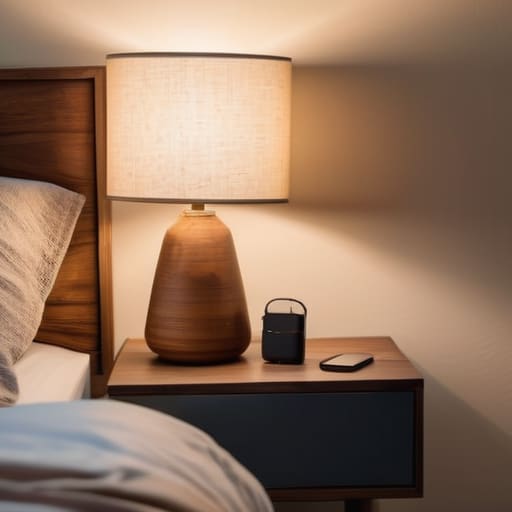
The biggest mistake I see people make is trying to go cold turkey. You can’t just throw your phone in a drawer and expect your brain to stop craving the dopamine hit; that’s a recipe for a failed experiment and a lot of frustration. Instead, I focus on managing digital distractions by creating physical boundaries. For me, that means a “no-phone zone” at the dining table and a charging station located in the hallway rather than on my nightstand. By moving the device away from where you sleep, you naturally mitigate the impact of blue light on sleep, making it much easier to actually wind down at the end of a long day.
Another thing that works is the “one-tab rule” when you’re working. If you’re trying to knock out a project, close everything except what you actually need. It sounds small, but it stops that mindless drift into social media feeds. Developing these healthy screen time habits isn’t about being a monk; it’s about reclaiming your focus so you can finish your work faster and actually enjoy your downtime.
Simple Digital Detox Strategies for Real People

Look, I’m not going to tell you to throw your phone in a lake and move to a cabin in the woods. That’s not realistic for anyone with a job or a social life. Instead, I focus on small, tactical shifts. One of the most effective digital detox strategies I’ve used is the “one-room rule.” I pick one area of my apartment—usually the bedroom—and declare it a tech-free zone. By leaving the charger in the living room, I stop the mindless scrolling that usually happens right before bed. This small boundary helps mitigate the impact of blue light on sleep, making it much easier to actually drift off without a racing brain.
Another thing that works is treating your notifications like uninvited guests. If it’s not a direct text or a call from a real human, you probably don’t need a buzz in your pocket every thirty seconds. Go into your settings and aggressively prune your alerts. When you stop reacting to every little ping, you start building healthy screen time habits that feel natural rather than forced. It’s about regaining control, one setting at a time.
Five Small Tweaks to Reclaim Your Focus

- Turn your phone to grayscale. Seriously. Most apps use bright, dopamine-triggering colors to keep you hooked; once everything looks like a dull 1940s newspaper, your brain stops craving the scroll.
- Create “device-free zones” in your apartment. I started by making the dining table and the bedroom strictly analog. It’s much easier to relax when you aren’t tempted to check a work email right before sleep.
- Audit your notifications and kill the noise. If it isn’t a direct message from a human or a calendar alert, you probably don’t need a buzz in your pocket for it. Turn off everything else.
- Use the “out of sight, out of mind” rule. When you’re working or trying to cook, put your phone in a drawer or another room. If you have to physically get up to check it, you’ll do it half as often.
- Replace the “micro-scroll” with a physical habit. Instead of reaching for your phone during every two-minute lull, keep a book nearby or just take a breath. It breaks the muscle memory of reaching for the screen.
The Bottom Line: Making It Stick
Don’t aim for a total digital blackout; just aim for small, repeatable wins that don’t feel like a chore.
Use your tech to fight your tech—set those app limits and grayscale modes so your phone stops begging for your attention.
Always have a low-tech backup plan, whether it’s a physical book or a quick walk, so you aren’t left staring at a blank wall when you put the phone down.
The Real Cost of the Scroll
“We treat our screen time like a harmless habit, but it’s actually a silent tax on our most valuable resource. You don’t need to throw your phone in a lake to win your life back; you just need to stop letting a piece of glass decide how you spend your evening.”
Julian Reese Miller
Reclaiming Your Real Life

Look, we aren’t going to find a magic button that deletes the internet or turns your smartphone into a paperweight. Reducing your screen time isn’t about some massive, sweeping lifestyle overhaul; it’s about the small, tactical wins we talked about. Whether it’s setting those strict app limits, turning off non-essential notifications, or simply deciding that your phone stays in the other room while you cook dinner, these habits add up. The goal isn’t perfection—it’s about intentionality. If you can just reclaim even thirty minutes of your evening from the endless scroll, you’ve already won a massive battle against the digital noise.
At the end of the day, your life is happening right now, in the physical world, not in a feed of curated photos or endless news cycles. I’ve learned through my own trial and error that the more I focus on the screen, the more I feel like I’m just watching my life pass by instead of actually living it. So, take these tools, pick one or two that actually feel doable for you, and give them a shot. You don’t need a degree in digital wellness to be the boss of your own attention. Put the phone down, look up, and go do something that actually makes you feel alive.
Frequently Asked Questions
I’ve tried deleting social media apps before, but I always end up reinstalling them by Tuesday—how do I actually make these changes stick?
Look, I’ve been there. Deleting the apps is just a temporary band-aid; it doesn’t fix the habit. If you want this to stick, you have to raise the friction. Move your social apps off your home screen and into a folder on the last page of your phone. Better yet, delete your saved passwords from your browser. If you have to manually type in your credentials every single time, you’ll realize it’s not worth the effort.
How am I supposed to stay productive at work if my job requires me to be constantly glued to a laptop and my phone?
I get it—the “just put your phone away” advice feels pretty useless when your livelihood depends on being online. You can’t go dark, but you can control the flow. Try batching your notifications. Instead of reacting to every ping, schedule ten minutes every hour to clear your inbox and messages. Use “Do Not Disturb” during deep-work blocks, allowing only emergency contacts through. It’s about moving from reactive chaos to intentional engagement.
Is there a way to cut back on mindless scrolling without feeling like I'm totally missing out on what my friends are doing?
I hear you. That FOMO is real, and it’s the biggest reason we keep scrolling. Here’s my approach: stop trying to see everything and start being intentional. Instead of mindless scrolling, pick one or two specific times a day to check in—maybe during lunch or after work. You’ll still see the big updates, but you won’t spend your entire evening chasing every single minor detail. It’s about quality connection, not constant surveillance.