 Money
Money
How to Prepare for Large Purchases Without Ruining Your…
I still remember the sinking feeling in my gut when my old car finally gave up the ghost three years ago. I was staring at a repair estimate that cost more than my monthly rent, feeling like I’d been blindsided by life. Most “financial experts” will tell you that you need a complex, multi-tiered investment strategy or a spreadsheet that looks like it belongs in NASA headquarters to handle something like that. Honestly? That’s a load of crap. Learning how to plan for a big expense shouldn’t feel like you’re studying for a CPA exam; it should be about building a simple, repeatable system that keeps you from feeling like a failure when the unexpected happens.
I’m not here to sell you on some complicated wealth-building seminar or a lifestyle you can’t afford. My goal is to give you the exact, stripped-down steps to earmark your cash so you can tackle those major costs without the panic. We’re going to look at realistic ways to set money aside and how to organize your spending so you can actually enjoy your life instead of just surviving it. Let’s get to work.
Table of Contents
Mastering Financial Goal Setting Techniques Without the Headache
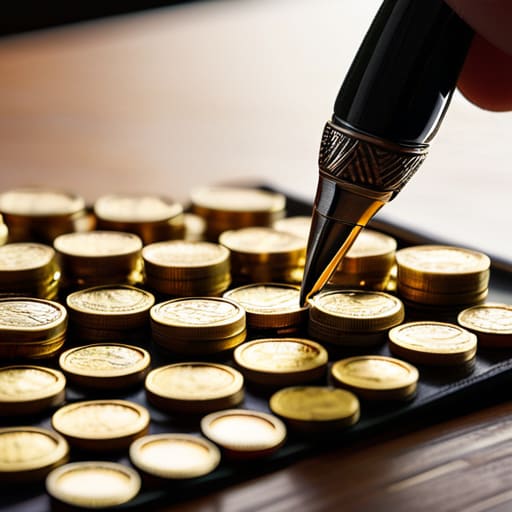
Most people treat big purchases like a sudden storm they have to weather, but I prefer to treat them like a scheduled maintenance task. The secret isn’t about willpower; it’s about using the right financial goal setting techniques to take the decision-making out of your hands. Instead of staring at a massive number and feeling paralyzed, you need to break that figure down into manageable, bite-sized chunks.
One of the most effective ways I’ve found to do this is by implementing a sinking funds strategy. Think of it like a dedicated bucket for a specific purpose—like a new laptop or a dream vacation. By separating these funds from your everyday spending, you stop accidentally “borrowing” from your future self. I also make it a point to distinguish between an emergency fund vs large purchase savings. Your emergency fund is for when the water heater explodes; your sinking fund is for when you actually want that new espresso machine. Once you categorize your spending this way, the math becomes much less intimidating, and you can stop feeling guilty every time you hit “buy.”
Using a Sinking Funds Strategy to Fund Your Dreams
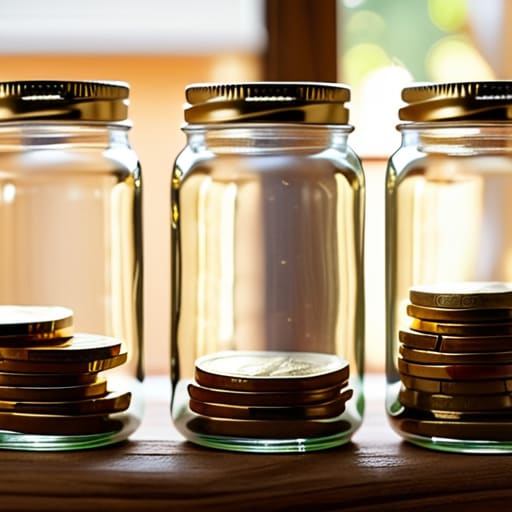
If you’ve ever felt that sudden, sinking pit in your stomach when a massive bill arrives—like a car repair or a wedding deposit—you need a sinking funds strategy. Think of a sinking fund as a series of mini-savings buckets specifically labeled for things you know are coming. This is the key distinction between an emergency fund vs large purchase savings; while your emergency fund is for the “oh crap” moments you can’t predict, a sinking fund is for the “I know this is happening” moments. By breaking a massive number down into manageable monthly bites, you turn a scary mountain of debt into a series of small, easy hills.
The best way to handle this without it becoming another chore on your to-do list is to lean on automated savings for big purchases. I don’t trust my willpower to manually move money every month, so I set up my banking app to automatically sweep a specific amount into a dedicated sub-account every payday. It’s a “set it and forget it” approach that ensures you’re actually making progress toward your goal without having to think about it.
Five Ways to Keep Your Budget from Breaking
- Audit your “ghost expenses” first. Before you start saving for that big trip or new car, look at your bank statement for those $15 subscriptions you forgot about. Cutting those out isn’t about deprivation; it’s about redirecting money that’s already leaking out of your pocket toward something that actually matters.
- Build a “buffer zone” into your math. If you think a new laptop will cost $1,200, plan for $1,400. Between unexpected tax, shipping, or the inevitable “oops, I need a case for this” moment, having that extra cushion prevents you from feeling like you failed your own plan.
- Automate the movement. Don’t rely on your willpower to move money into your savings account at the end of the month—by then, it’s usually gone. Set up a recurring transfer for the day after your paycheck hits. If you never see the money in your checking account, you won’t miss it.
- Use the “Wait and Weight” rule. When you’re saving for a big purchase, give it a cooling-off period. If you still want it just as badly after thirty days of focused saving, go for it. This keeps you from wasting your hard-earned progress on impulsive wants that don’t actually add value to your life.
- Track your progress visually, not just digitally. There is something much more satisfying about seeing a progress bar or a simple checklist on your fridge than staring at a spreadsheet. It turns a daunting financial mountain into a series of small, manageable wins that keep you motivated.
The Bottom Line: How to Get This Done
Stop trying to find “extra” money at the end of the month; instead, treat your big expense like a monthly bill that you simply schedule in advance.
Break the giant, intimidating price tag into small, manageable chunks so you’re focusing on a monthly number rather than a mountain of debt.
Set it, forget it, and move on—once your automated savings are running, stop checking the balance every day and get back to your actual life.
The Reality of Big Purchases
“A massive price tag shouldn’t feel like a crisis; it’s just a math problem that requires a bit of organization and a lot less panic.”
Julian Reese Miller
Getting It Done
Look, we’ve covered a lot of ground here, but it really boils down to two things: knowing exactly what you’re aiming for and building a system that does the heavy lifting for you. Between setting clear, realistic goals and utilizing a sinking fund to automate your savings, you’ve essentially built a financial roadmap. You aren’t just throwing money at a problem and hoping for the best; you are applying a repeatable process to ensure that when that big invoice or plane ticket finally arrives, you aren’t scrambling. By breaking the mountain down into manageable, monthly steps, you’ve turned a potential crisis into a calculated plan.
At the end of the day, the point of all this organization isn’t to turn you into a math whiz or a spreadsheet fanatic. It’s about reclaiming your mental bandwidth. I spend a lot of my time tinkering with old synths, and I’ve learned that if you don’t maintain the components, the whole system breaks down when you need it most. Your finances are no different. Once you have these systems in place, you can stop worrying about the “what ifs” and start focusing on the actual experience you’re saving for. Stop letting the price tag dictate your peace of mind and start living with intention.
Frequently Asked Questions
What if I run into an unexpected emergency while I'm trying to save for this big purchase?
Look, life happens. An unexpected car repair or a medical bill isn’t a failure of your plan; it’s just part of the game. If an emergency hits, you pause the big purchase savings immediately. Use that cash to plug the hole. Once the dust settles, don’t beat yourself up. Just pivot back to your sinking fund. The goal is to stay steady, not to be perfect. Adjust the timeline and keep moving.
How do I figure out exactly how much I can actually afford to set aside each month without making my daily life miserable?
Look, I’ve been there—trying to save for a new synth or a trip while staring at a grocery bill that feels like a personal attack. Don’t guess. Sit down with your bank app and your last month of spending. Subtract your “must-haves” (rent, utilities, basic food) and your “sanity spends” (that one coffee or streaming sub) from your take-home pay. Whatever is left is your playground. Start with a small, realistic number. If it feels tight, dial it back. You can always increase it later, but you can’t fix burnout.
Is it better to keep this money in my regular checking account or should I be looking at a specific type of savings account?
Keep it out of your checking account. If that money is sitting next to your grocery and rent funds, you’re eventually going to spend it by mistake. Plus, checking accounts don’t pay you anything to hold your cash. Move it into a High-Yield Savings Account (HYSA). It keeps the money “out of sight, out of mind” while earning a bit of interest. It’s a simple way to let your money work as hard as you do.