 Food
Food
Mastering Beans and Lentils: Cheap, Healthy, and Simple
I used to think that if I wanted a decent bowl of protein, I had to either shell a bag of expensive pre-cooked beans or spend three hours hovering over a stove like a medieval chemist. Honestly, the sheer amount of “expert” advice out there makes it sound like you need a culinary degree just to figure out how to cook beans and lentils without turning them into a mushy, flavorless mess. I spent way too many nights staring at a pot of gritty, undercooked chickpeas, feeling like I was failing at the most basic level of adulthood. It’s frustrating because it shouldn’t be this hard to eat well on a budget.
I’m not here to give you a lecture or a list of twenty “secret” ingredients you’ll never use. My goal is to strip away the noise and give you the actual mechanics of the process. I’ll show you the most efficient, low-maintenance way to get perfect results every single time, so you can stop worrying about your pantry and get back to living. No fluff, no expensive gadgets—just the straight facts.
Table of Contents
Soaking Dried Beans vs No Soak What Actually Matters
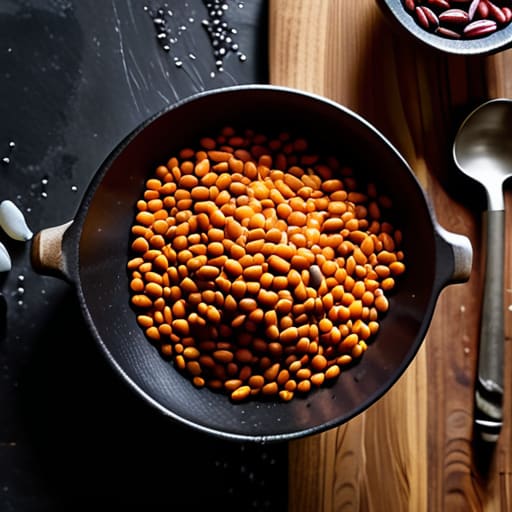
Look, I get the hesitation. You’re staring at a bag of dried beans and wondering if you really need to commit to an overnight soak or if you can just dive straight into the pot. Here’s the truth: it’s not a matter of “right or wrong,” it’s about managing your time. If you have the headspace to prep them the night before, soaking helps even out the texture and can significantly reduce the time they spend on the stove. However, if you’re working with lentils, you can usually skip the soak entirely and go straight to stovetop preparation without any drama.
The real debate of soaking dried beans vs no soak usually comes down to two things: texture and digestion. If you’re prone to feeling bloated after a meal, a long soak (and discarding that first bit of water) is your best bet for how to prevent gas from beans. But if you’re in a rush and using a pressure cooker, you can bypass the waiting game entirely. Just keep in mind that skipping the soak will definitely change your cooking times for different legumes, so adjust your expectations accordingly.
Mastering Stovetop Lentil Preparation Without the Stress
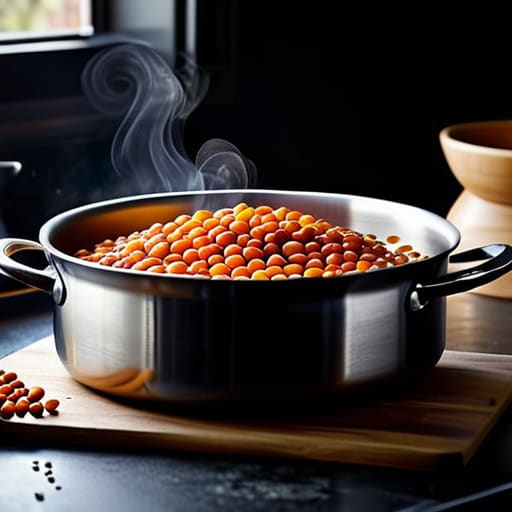
If you’re looking for a quick win, lentils are your best friend. Unlike larger beans that demand a long soak, most lentils—especially red and yellow varieties—are ready to go straight from the bag to the pot. When it comes to stovetop lentil preparation, the trick is all about heat management. I usually start with a medium simmer; if you crank the heat too high, you’ll end up with a mushy mess rather than distinct, tender grains. Keep an eye on the water level, and if things look dry, just splash in a little more.
Timing is everything here, and it varies wildly depending on what you’re using. While red lentils might turn into a puree in ten minutes, green or brown lentils need about 20 to 30 minutes to hit that perfect al dente texture. To keep things flavorful without adding extra work, I like to toss in a bay leaf or a clove of smashed garlic right at the start. It’s a low-effort way to ensure you’re using the best seasonings for legumes without needing a spice rack full of complicated ingredients.
Five ways to stop guessing and start cooking
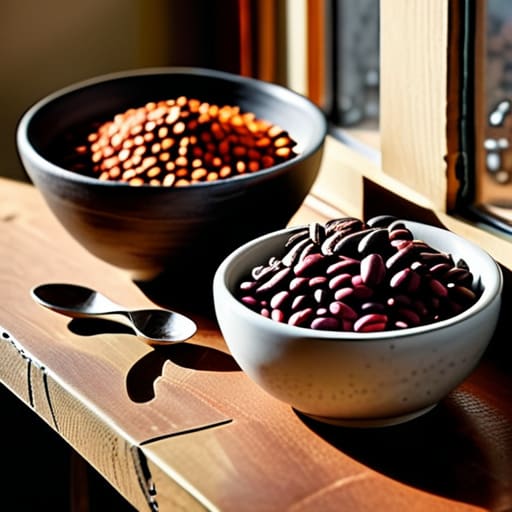
- Salt early, not late. I used to wait until the beans were soft to season them, but that’s a mistake. Adding a decent amount of salt to your soaking or cooking water helps soften the skins and ensures the flavor actually gets into the center of the bean rather than just coating the outside.
- Keep an eye on the aromatics. If you’re boiling beans in plain water, they’re fine, but if you want them to actually taste like something, throw in a smashed garlic clove, a bay leaf, or half an onion. It takes zero extra effort and makes a massive difference.
- Don’t fear the “overcook.” If you’re making a salad, you want them firm; if you’re making a stew, you want them creamy. It’s much easier to cook a bean for an extra ten minutes than it is to try and fix a mushy mess that’s lost its structure.
- Use the liquid. If you’re cooking lentils or beans on the stove, don’t just dump that cooking liquid down the drain. It’s full of starch and flavor. Use it as a base for your next soup or sauce to add body without needing to buy expensive thickeners.
- Acid is your secret weapon. If you taste your finished dish and it feels “heavy” or just kind of flat, don’t reach for more salt. Reach for a squeeze of lemon or a splash of vinegar. That hit of acidity cuts through the starch and wakes the whole dish up.
The quick version: What you actually need to remember
Don’t sweat the soak: unless you’re cooking massive batches of kidney beans, a quick rinse and a direct boil will get the job done without wasting your entire evening.
Watch the salt: wait until the beans are nearly soft before you go heavy on the seasoning, otherwise you risk ending up with a pot of tough, undercooked legumes.
Keep it simple: lentils are your best friend for busy weeknights because they don’t need pre-soaking and they cook fast—use them when you’re low on time and energy.
The philosophy of the pantry
“Forget the complex recipes and the fear of a hard bean; once you stop treating dried legumes like a science experiment and start treating them like a basic tool, you’ve reclaimed both your budget and your time.”
Julian Reese Miller
Getting it Done
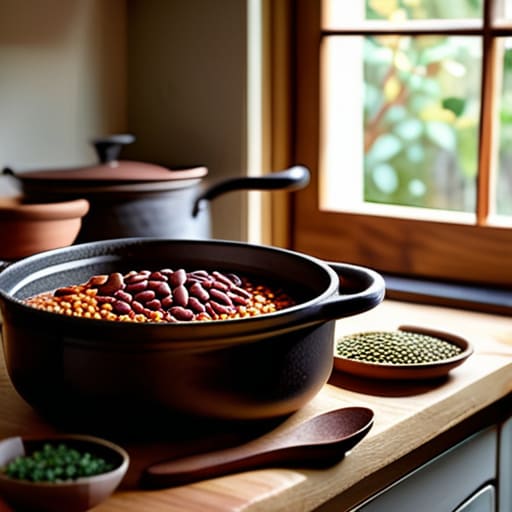
At the end of the day, mastering beans and lentils isn’t about following some rigid, culinary law; it’s about knowing which tool to use for the job. Whether you decide to go the long route with an overnight soak for your kidney beans or opt for the fast-track method with red lentils, the goal is the same: reliable, delicious food. Remember to keep an eye on your liquid levels, don’t be afraid to season liberally, and don’t let the fear of a mushy texture stop you from experimenting. Once you understand the basic rhythm of how these legumes behave, you stop following recipes and start cooking by instinct.
I know that when you’ve had a long day, the last thing you want to do is manage a pot on the stove. But there is a specific kind of quiet satisfaction that comes from turning a handful of dried, inexpensive pantry staples into a meal that actually fuels you. It’s one of those small, practical wins that makes adulthood feel a little more manageable. So, grab a bag of dried lentils, set your timer, and just start. You’ve got this, and more importantly, you’ve got a much better dinner waiting for you on the other side.
Frequently Asked Questions
Can I just use canned beans instead of dried if I'm really short on time?
Look, I get it. Some Tuesdays, the last thing you want to do is wait for a pot of beans to simmer. The short answer? Absolutely. Canned beans are a total lifesaver when you’re running on empty. Just do me a favor: drain them and give them a quick rinse to wash away that excess sodium. It makes a massive difference in flavor and keeps things from feeling too heavy. Efficiency over perfection, every time.
How do I know when they're actually done without them turning into mush?
The “mush factor” is the biggest fear, but it’s easy to avoid if you stop relying on the timer and start relying on your fork. Periodically pull a few beans out, let them cool for a second, and press them against the roof of your mouth or a plate. You’re looking for “al dente”—tender all the way through, but with a slight, satisfying bite in the center. If they mash instantly, they’re done.
Do I really need to add salt at the beginning, or will that make the skins tough?
I get this question all the time, and honestly, it’s one of those kitchen myths that causes way more stress than it’s worth. Don’t worry—salting your soaking or cooking water isn’t going to turn your beans into pebbles. In fact, seasoning early helps the flavor actually penetrate the bean. Just salt the water once it’s simmering, and you’ll end up with something much more delicious than if you waited until the very end.