 Food
Food
Proper Food Storage Tips to Keep Everything Fresh
I used to think that keeping groceries fresh meant buying those expensive, specialized vacuum-sealers or following some elaborate, color-coded system I saw on a lifestyle blog. Then I had one bad week where I realized I’d thrown away half my grocery budget because a bag of spinach turned into literal slime in the bottom drawer of my fridge. It turns out, knowing how to store food properly isn’t about fancy gadgets or a massive investment; it’s actually just about understanding a few simple, logical principles that most people completely ignore.
I’m not here to give you a lecture or a list of products you don’t need. My goal is to strip away the confusion and give you a straightforward toolkit for your kitchen. I’ll show you the exact, low-effort habits that actually work to extend the life of your food, so you can stop throwing money in the trash and get back to living. No fluff, no complicated science—just the practical steps you need to keep your kitchen running efficiently.
Table of Contents
Mastering Refrigerator Organization Tips for Less Waste
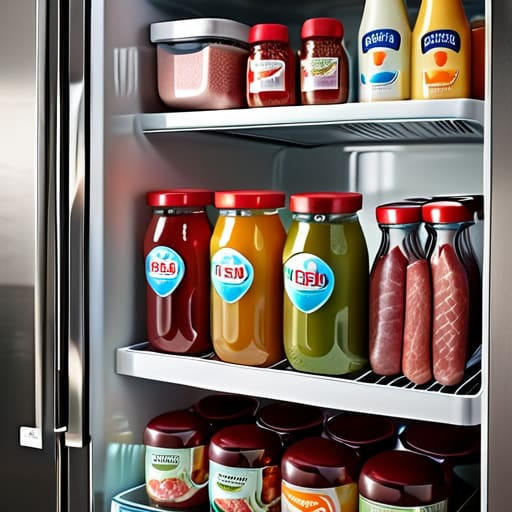
Most people treat their fridge like a black hole—you shove things in, forget they exist, and then find a science experiment in the back of the crisper drawer two weeks later. To stop this cycle, you need to respect the safe food temperature zones. The upper shelves are generally the most consistent for things like deli meats or leftovers, while the door is actually the warmest spot, so keep your condiments there and leave the milk for the back.
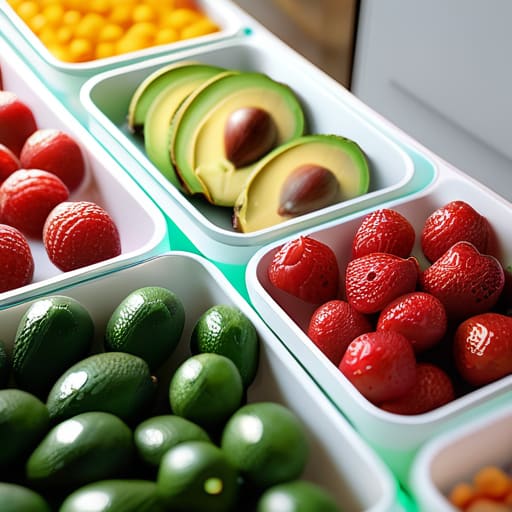
If you want to actually see what you own, stop using mismatched, flimsy plastic wrap. Invest in a few decent airtight container benefits—it’s not just about looking organized; it’s about keeping moisture out and freshness in. I’ve found that grouping similar items together, like a “breakfast zone” or a “sauce station,” makes it way easier to grab what you need without digging. When everything has a designated home, you stop double-buying things you already have, which is basically just throwing money in the trash.
The Real Benefits of Using Airtight Containers
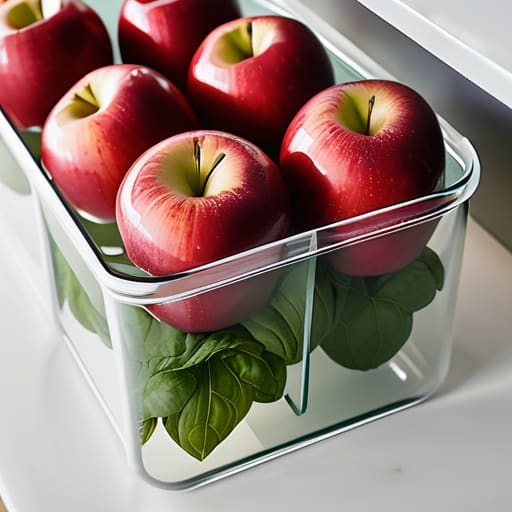
Look, I used to think buying a bunch of mismatched plastic tubs was a waste of money. I figured a lid was a lid, right? I was wrong. The biggest airtight container benefits aren’t just about looking organized like those aesthetic pantry influencers; it’s about actually stopping the clock on decay. When you seal air out, you’re essentially slowing down the oxidation process that turns your fresh basil into black sludge and your sliced apples into something unappealing. It’s the simplest way of preventing food spoilage before it even starts.
Beyond the fridge, these containers are a game-changer for your dry goods. If you’re tired of finding ants in your flour or stale crackers at the bottom of a bag, switching to glass or high-quality BPA-free plastic is the move. It keeps your pantry staples shelf life much longer, which means you aren’t running to the store every three days just because your oats went soft. It’s about working smarter, not harder, so you can stop throwing money in the trash every Sunday night.
Five Quick Wins to Stop Your Groceries From Dying
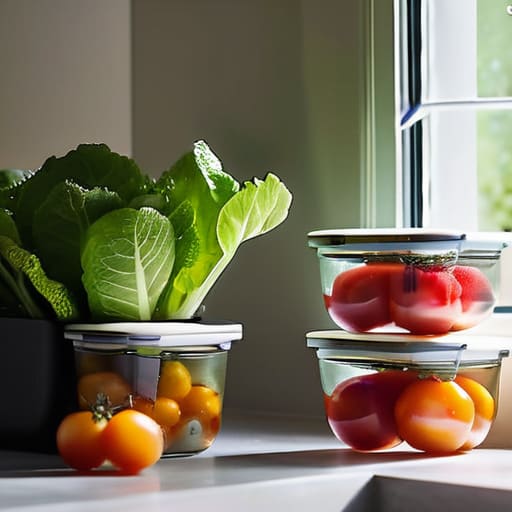
- Treat your greens like they’re fragile—wrap herbs and leafy greens in a dry paper towel before putting them in a container. It absorbs the excess moisture that usually turns everything into a slimy mess overnight.
- Stop the “mystery bag” habit. If you buy loose produce, get it out of those thin plastic grocery bags as soon as you get home. They trap humidity and accelerate rot; use reusable mesh bags or just let them breathe in the crisper drawer.
- Learn the “First In, First Out” rule. When you get back from the store, move the older stuff to the front of the shelf and put the new stuff in the back. It sounds basic, but it’s the easiest way to stop finding fuzzy leftovers at the bottom of the drawer.
- Don’t be afraid to use your freezer. If you realize you aren’t going to finish that loaf of bread or that pack of chicken before it turns, freeze it immediately. It’s much better to defrost something later than to throw money in the trash.
- Keep your onions and potatoes far away from each other. They both need airflow, but they release gases that make each other spoil faster. Keep them in separate dark spots, and you’ll save yourself a lot of frustration.
The Bottom Line: Less Waste, More Time
Stop treating your fridge like a black hole—organize by shelf and use clear containers so you actually know what you have before you head to the store.
Invest in a few decent airtight containers; it’s a small upfront cost that pays for itself the moment you stop tossing science experiments in the trash.
Don’t let “perfect” get in the way of “done”—even just grouping your produce together can save you money and a massive headache at the end of the week.
## The Bottom Line
“Proper food storage isn’t about being a perfectionist or buying a hundred fancy gadgets; it’s just about respecting the money you already spent and making sure you actually have something to eat when you’re too tired to shop.”
Julian Reese Miller
Getting Your Kitchen Under Control
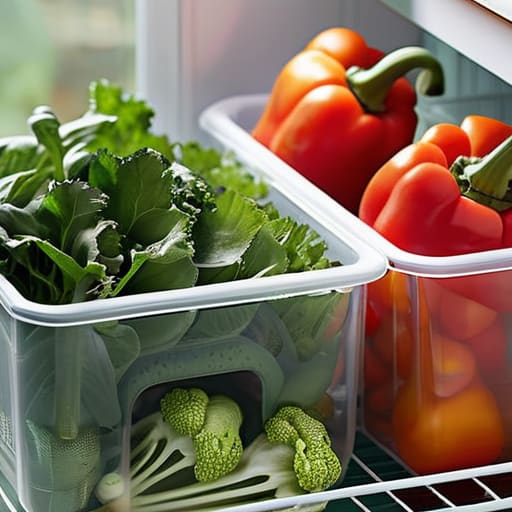
Look, we’ve covered a lot of ground here, from the tactical way you organize your fridge shelves to the simple switch of moving your leftovers into actual airtight containers. The goal isn’t to turn your kitchen into a sterile laboratory or a high-end pantry showcase; it’s about creating a system that actually works for your life. When you stop letting produce wilt in the bottom drawer and start treating your ingredients with a little bit of respect, you’re not just saving a few bucks on your grocery bill—you’re eliminating that mid-week stress of realizing your dinner plans just turned into a pile of mush. It’s all about making small, intentional shifts that prevent the chaos from creeping in.
At the end of the day, food storage isn’t a hobby, and it shouldn’t feel like one. It’s just a tool to help you reclaim your time and your sanity. I know it feels like one more thing on an already overflowing to-do list, but I promise you that once these habits click, they become second nature. You’ll spend less time digging through expired jars and more time actually enjoying the meals you’ve prepared. Stop letting your hard-earned money rot in the crisper drawer and start taking control of your space. You’ve got this, so go out there, get organized, and get back to living.
Frequently Asked Questions
Do I really need to buy a whole set of matching containers, or can I just use what I already have in the cupboard?
Look, I’m all about efficiency, but I’m not about mindless spending. You absolutely do not need a matching set of designer containers to keep your food fresh. If you’ve got a random assortment of glass bowls, old Tupperware, or even just some heavy-duty reusable bags, use them. The goal is an airtight seal, not a Pinterest-perfect cupboard. Use what you have, save your money for something better, and just focus on getting things sealed up.
How do I know if something has actually gone bad versus just looking a little "off"?
Look, I get it. You’re staring at a carton of milk or a container of leftovers, wondering if you’re about to get sick or if you’re just being paranoid. My rule of thumb? Trust your senses, but prioritize the “big three”: smell, texture, and sight. If it smells sour, feels slimy, or shows even a hint of fuzzy mold, toss it. Don’t play Russian roulette with your stomach just to save three bucks.
Is there a trick to keeping leafy greens from turning into a slimy mess in the crisper drawer?
Honestly, the “slimy mess” phase is the worst. The trick is managing moisture. When you get home, don’t just toss the bag in the drawer. I usually take the greens out, give them a quick rinse in cold water, and then—this is the key—spin them dry or pat them down with paper towels. Line your container or a reusable bag with a fresh paper towel to soak up excess humidity. It buys you days of extra life.