 Food
Food
How to Cook Deliciously Without Following a Recipe
I remember sitting in my first tiny apartment, staring at a wilted bunch of kale and a lonely chicken breast, paralyzed because I didn’t have a glossy cookbook telling me exactly how many grams of salt to use. I felt like a failure because I couldn’t follow a set of instructions to save my life, even though I was hungry and exhausted. That’s the biggest lie the food industry tells us: that you need a manual for every single meal. Learning how to cook without a recipe isn’t about being a chef; it’s about realizing that most ingredients are just modular components waiting to be assembled.
I’m not here to teach you French culinary theory or how to make a reduction that takes three hours. My goal is to give you a mental framework that works when your fridge is half-empty and your brain is fried from a long day. I’ll show you how to balance flavors and use what you actually have on hand so you can stop overthinking dinner and get back to your actual life. No fluff, no expensive gadgets—just the practical logic you need to feed yourself.
Table of Contents
Mastering Pantry Staple Cooking for Busy Nights
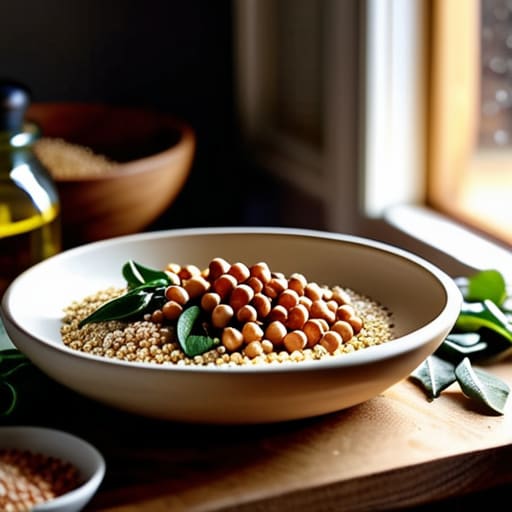
The secret to not staring blankly at your fridge after a long workday is mastering pantry staple cooking. Instead of seeing a lonely can of chickpeas and some wilted spinach as a problem, see them as components. I’ve learned that most great meals aren’t built from scratch; they are assembled from what’s already in the cupboard. The trick is to stop looking for a specific dish and start looking for a base—like grains, pasta, or legumes—that can carry whatever else you find.
Once you have your base, it all comes down to understanding cooking ratios. If you’re making a quick sauce, you don’t need a measuring spoon; you just need to know how much fat and acid your base can handle. I usually lean heavily on seasoning by taste as I go, adding a splash of vinegar here or a pinch of red pepper flakes there until it just feels right. It’s about building confidence in your own palate rather than trusting a printed line of text. Once you nail the fundamentals, you’ll realize you’re actually just improvising with intention.
Understanding Cooking Ratios to Save Your Sanity
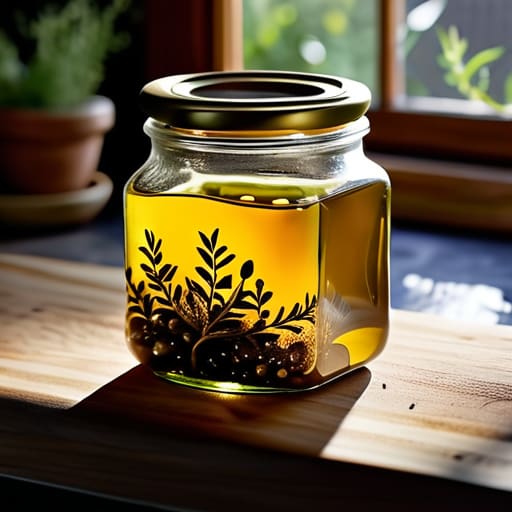
If you want to stop staring blankly at a cookbook, you need to stop thinking in terms of measurements and start thinking in terms of relationships. This is where understanding cooking ratios becomes your secret weapon. Most recipes are just specific applications of much simpler math. For example, if you know the basic ratio for a vinaigrette—usually three parts oil to one part acid—you don’t need a measuring spoon; you just need a jar and a little bit of intuition. Once you grasp these fundamental proportions, you can scale them up for a salad or down for a marinade without ever breaking a sweat.
It’s less about following a script and more about building flavor profiles from the ground up. Think of it as a framework: you have your base (the starch or protein), your fat (oil, butter, or cream), your acid (lemon, vinegar, or wine), and your seasoning. If a dish feels flat, you don’t need a new recipe; you likely just need to adjust one of those levers. Mastering these simple flavor balancing techniques is what turns a frantic kitchen session into a calm, creative process. It’s about knowing that if something is too heavy, a splash of acid will cut through it, and if it’s too sharp, a bit of fat will mellow it out.
5 Ways to Stop Overthinking and Start Cooking
- Trust your senses, not just the timer. If a recipe says cook for ten minutes but your garlic smells like it’s about to burn, pull it off the heat. Your nose and eyes are much better tools than a digital clock.
- Build a “flavor profile” instead of a shopping list. Learn how acid (lemon, vinegar) cuts through fat, or how heat (chili flakes, pepper) wakes up a heavy sauce. Once you get that balance, you can cook anything with whatever is in the fridge.
- Keep a “go-to” base for everything. Whether it’s a simple vinaigrette or a basic sauté of onion and garlic, having a reliable starting point removes the decision fatigue that usually stops us from cooking in the first place.
- Don’t fear the “ugly” stage. Halfway through making a stew or a stir-fry, it’s going to look like a mess. That’s normal. Don’t let a lack of visual perfection make you think you’re doing it wrong; just keep moving.
- Prep as you go, but keep it minimal. I used to spend an hour chopping before even turning on the stove, which felt like a chore. Now, I just chop what I need for the immediate step. It keeps the kitchen manageable and the process fast.
The Bottom Line
Stop looking for a specific recipe and start looking for a formula; once you understand how acid, fat, and salt work together, you can fix almost any dish on the fly.
Build a “modular” pantry with versatile staples so you’re never staring blankly at an empty fridge when you’re too tired to go to the store.
Trust your senses over a measuring spoon—if it needs more brightness, add lemon; if it’s flat, add salt. You’ll learn faster by doing than by reading.
The Philosophy of the Pan
“A recipe is just a suggestion, not a set of handcuffs. Once you stop fearing the ingredients and start trusting your own palate, you stop spending your evening reading instructions and start actually enjoying your dinner.”
Julian Reese Miller
Get Out of the Kitchen and Back to Your Life
At the end of the day, cooking without a recipe isn’t about becoming a Michelin-starred chef; it’s about building a toolkit that works for you. We’ve covered how to lean on those pantry staples you already have, how to use simple ratios to guide your intuition, and how to stop letting a missing ingredient derail your entire evening. Once you realize that a recipe is just a suggestion rather than a law, you stop seeing a kitchen as a place of stress and start seeing it as a place of possibility. It’s about stripping away the intimidation and realizing you already have everything you need to make something decent.
My advice? Stop overthinking it. The next time you’re staring at a random assortment of vegetables and a half-empty jar of sauce, don’t reach for your phone to search for a tutorial. Just grab a pan, trust your senses, and start cooking. You’re going to mess up occasionally—I definitely do—but that’s just part of the process. The goal isn’t perfection; it’s efficiency and freedom. Master these basics, reclaim your time, and remember that the best meals are usually the ones that happen when you finally decide to stop following the rules and just start eating.
Frequently Asked Questions
What do I do if I accidentally add too much of a strong spice or seasoning?
Don’t panic—I’ve definitely nuked a batch of chili with too much cumin before. The trick is dilution. If it’s a liquid base, add more unsalted stock or water to spread the flavor out. If you’re working with something creamy, a dollop of Greek yogurt or coconut milk can neutralize the heat. If it’s just too salty, toss in a peeled potato to soak some up. Just don’t overthink it; keep adjusting until it’s edible.
How do I know if my meat or vegetables are actually cooked through without a guide?
Forget the timers; they’re just guesses. For meat, trust your hands and a cheap digital thermometer—it’s the only way to be certain without cutting into everything and losing the juices. If you don’t have one, look for the resistance; cooked meat feels firm, not squishy. For veggies, it’s all about the “fork test.” If a fork slides in with minimal effort, they’re done. Aim for tender, not mushy.
Are there certain flavor combinations that I should always stick to so I don't ruin the meal?
Think of flavor profiles like modular synths—once you understand the basic patches, you can tweak them without blowing the speakers. Start with the classics: garlic and olive oil, lemon and herbs, or soy sauce and ginger. These are your safety nets. If you’re feeling brave, lean into the salt-fat-acid-heat balance. If a dish feels “off,” it usually just needs a squeeze of lime or a pinch of salt to wake it up.